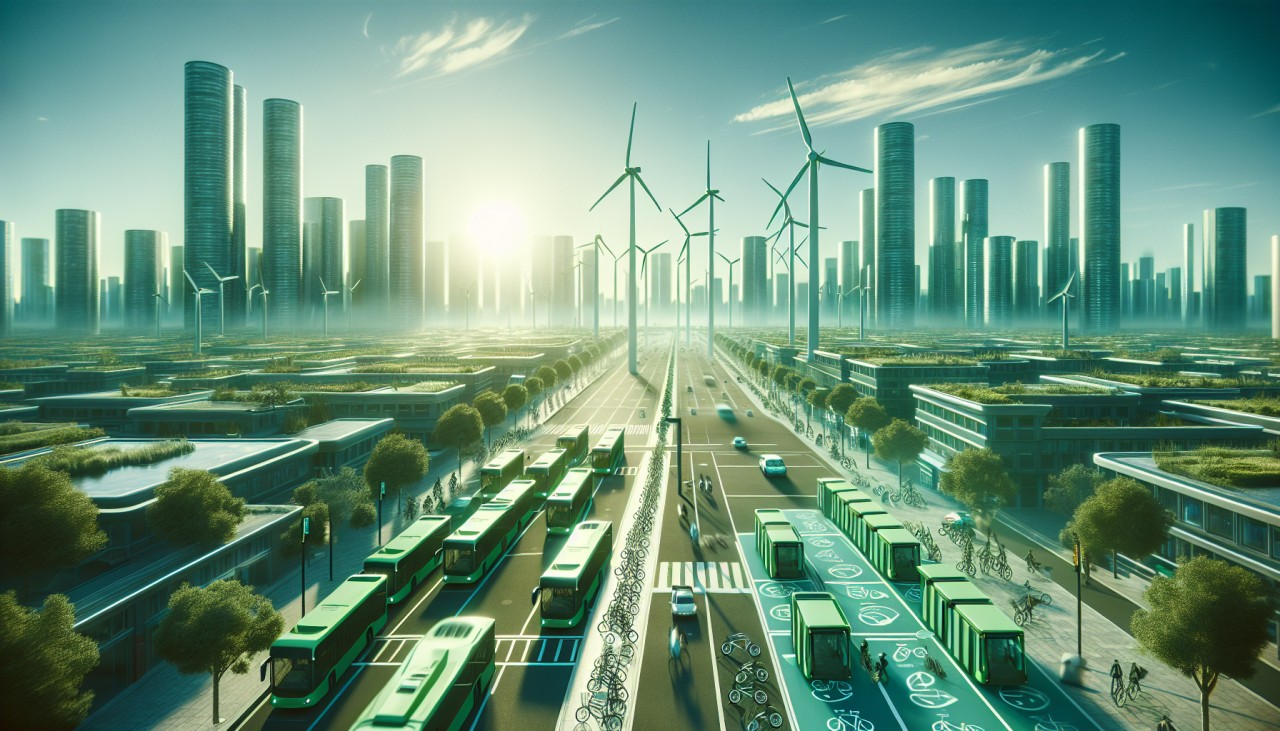
In 2026, the concept of sustainable infrastructure has evolved into a multifaceted approach that integrates environmental stewardship, social equity, and economic viability. As urban populations surge and climate change accelerates, the need for resilient and adaptable infrastructure has never been more pressing. Emerging trends highlight a shift towards green building materials, smart technologies, and inclusive urban planning.
One significant development is the adoption of green building materials, which are gaining traction due to their reduced environmental impact and enhanced energy efficiency. Materials such as carbon-neutral cement, recycled steel, and sustainable timber are becoming standard in construction projects. These materials not only lower carbon footprints but also contribute to healthier indoor environments. For instance, the use of low-carbon cement has been shown to reduce greenhouse gas emissions associated with construction by up to 40%.
Smart technologies are also revolutionizing infrastructure management. The integration of Internet of Things (IoT) devices, sensors, and artificial intelligence (AI) into infrastructure systems enables real-time monitoring and optimization. Smart grids, for example, can dynamically adjust to energy demand, reducing waste and improving efficiency. Similarly, AI-driven traffic management systems can alleviate congestion and lower emissions by optimizing traffic flow. These technologies not only enhance operational efficiency but also improve the quality of life for urban residents.
Inclusive urban planning is another cornerstone of sustainable infrastructure. As cities expand, ensuring that all residents have access to essential services and opportunities is crucial. This involves designing transportation systems that are accessible to people with disabilities, creating affordable housing, and ensuring equitable access to green spaces. Public-private partnerships (PPPs) are instrumental in financing and implementing these projects, leveraging private sector expertise and capital to deliver and maintain these assets. For example, in 2025, PPPs accounted for 60% of infrastructure investments in emerging markets, highlighting their role in promoting inclusive development.
The emphasis on resilience is also paramount. Infrastructure must be designed to withstand the increasing frequency and severity of climate-related events. This includes building flood-resistant structures, implementing green infrastructure solutions like urban wetlands and permeable pavements, and ensuring that critical facilities can continue to operate during emergencies. The United Nations Environment Programme (UNEP) estimates that adaptation finance needs in developing countries will reach US$310 billion per year by 2035, underscoring the global commitment to resilient infrastructure.
Financial mechanisms are evolving to support these initiatives. Green bonds, impact investing, and climate risk insurance are becoming more prevalent, providing the necessary capital for sustainable infrastructure projects. In 2025, global green bond issuance reached a record $500 billion, reflecting investor confidence in sustainable development. Moreover, the integration of environmental, social, and governance (ESG) criteria into investment decisions is driving capital towards projects that offer both financial returns and positive societal impacts.
International frameworks, such as the United Nations Sustainable Development Goal 9, which aims to "build resilient infrastructure, promote inclusive and sustainable industrialization, and foster innovation," provide a roadmap for nations to align their infrastructure development with global sustainability objectives. This goal emphasizes the importance of innovation and industrialization in achieving sustainable infrastructure, encouraging countries to invest in research and development and adopt best practices.
In conclusion, the landscape of sustainable infrastructure in 2026 is characterized by a holistic approach that balances environmental, social, and economic considerations. Through the adoption of green materials, smart technologies, inclusive planning, and resilient design, cities and communities are laying the foundation for a sustainable and equitable future. Continued investment, innovation, and collaboration across sectors will be essential to realize the full potential of sustainable infrastructure in addressing the challenges of the 21st century.
As we look ahead, the integration of sustainable practices into infrastructure development is not just a trend but a necessity. The challenges posed by climate change, rapid urbanization, and technological advancements require a reimagining of how we build and maintain the structures that support our daily lives. Sustainable infrastructure offers a pathway to create cities that are not only livable and efficient but also resilient and inclusive.
The role of policy and governance cannot be overstated in this endeavor. Governments play a pivotal role in setting standards, providing incentives, and facilitating collaboration between public and private sectors. Clear regulations and supportive policies can accelerate the adoption of sustainable practices, ensuring that infrastructure development aligns with long-term sustainability goals. For example, the European Union's Carbon Border Adjustment Mechanism (CBAM), implemented in January 2026, imposes costs on imports based on carbon intensity, encouraging global trade to consider environmental impacts.
Education and capacity building are also critical components. Equipping professionals with the knowledge and skills to design, construct, and manage sustainable infrastructure ensures that these practices are effectively implemented. Academic institutions, industry associations, and training programs are essential in fostering a workforce capable of driving the sustainability agenda forward.
Community engagement is another vital aspect. Involving local communities in the planning and decision-making processes ensures that infrastructure projects meet the actual needs of those they are intended to serve. This participatory approach not only enhances the relevance and effectiveness of projects but also fosters a sense of ownership and responsibility among residents.
In the realm of technology, the emergence of 6G networks presents both opportunities and challenges for sustainable infrastructure. While 6G promises unprecedented connectivity and data transfer speeds, it also raises concerns about energy consumption and environmental impact. A holistic approach to 6G development, as discussed in the paper "Towards Sustainable 6G: A Holistic View of Trade-offs and Enablers," emphasizes the need to balance technological advancements with sustainability objectives. This includes designing energy-efficient networks, utilizing renewable energy sources, and considering the lifecycle impacts of infrastructure components.
The integration of digital twins into infrastructure management is another transformative trend. Digital twins are virtual replicas of physical assets that enable real-time monitoring, predictive maintenance, and performance optimization. In the construction industry, the adoption of digital twins is expected to grow at a compound annual growth rate of 38.8%, reaching a market valuation of $31.83 billion by 2026. This technology enhances decision-making, reduces operational costs, and extends the lifespan of infrastructure assets.
In summary, sustainable infrastructure in 2026 is a dynamic and evolving field that requires a comprehensive and integrated approach. By embracing innovative materials, technologies, and planning strategies, and by fostering collaboration among stakeholders, we can build infrastructure that not only meets the needs of today but also anticipates the challenges of tomorrow. This commitment to sustainability will ensure that our infrastructure systems contribute positively to the environment, society, and economy, paving the way for a more resilient and equitable future.
Key Takeaways
- Adoption of green building materials reduces environmental impact and enhances energy efficiency.
- Smart technologies enable real-time monitoring and optimization of infrastructure systems.
- Inclusive urban planning ensures equitable access to essential services and opportunities.
- Resilient infrastructure is crucial to withstand climate-related events and ensure continuity.
- Financial mechanisms like green bonds and impact investing support sustainable infrastructure projects.