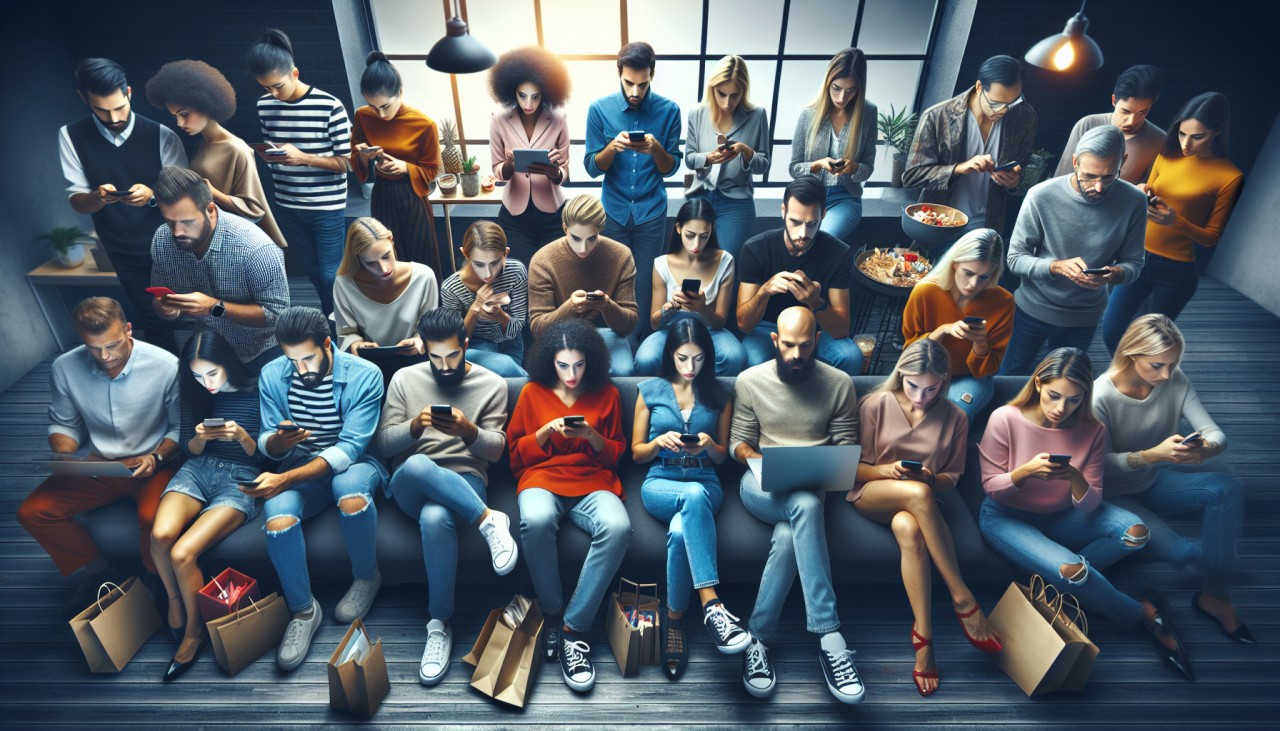
In recent years, consumer spending habits have undergone significant transformations, influenced by technological advancements, economic shifts, and changing societal values. A notable trend is the increasing reliance on digital payment methods, including digital wallets and Buy Now, Pay Later (BNPL) services. These innovations have streamlined transactions, offering consumers greater convenience and flexibility. For instance, in the United States, one in five shoppers already prefer digital wallets, with Generation Z leading this shift. This demographic is also more inclined to use BNPL services, reflecting a broader acceptance of alternative payment options. corporate.visa.com
The rise of BNPL services has been particularly pronounced among younger consumers. Nearly 75% of BNPL users in the U.S. are from Generation Z or Millennials, indicating a strong preference for flexible payment solutions. This trend underscores a desire for immediate gratification without the burden of upfront costs. However, while BNPL offers short-term financial relief, it also raises concerns about long-term debt accumulation and financial discipline. Consumers are advised to use these services judiciously, ensuring they can meet repayment schedules to avoid potential financial pitfalls. en.wikipedia.org
Economic factors, such as inflation and rising living costs, have also played a pivotal role in reshaping spending behaviors. A significant portion of consumers have reported reducing expenditures on non-essential items, focusing more on necessities. This shift reflects a more cautious approach to spending, driven by economic uncertainties and a desire to maintain financial stability. For example, 69% of consumers have held back on non-essential spending as the cost of living rises, with 90% adopting cost-saving behaviors. pwc.com
Simultaneously, there's a growing emphasis on experiences over material possessions. Many consumers prefer spending on activities that offer lasting memories, such as travel and entertainment, rather than on physical goods. This shift is particularly evident among younger demographics, who prioritize experiences that contribute to personal growth and fulfillment. This trend aligns with the broader movement towards valuing experiences over material acquisitions, reflecting a desire for meaningful engagement with the world. hartdesign.com
The digitalization of shopping has also led to the emergence of new consumer behaviors. Online shopping, driven by convenience and a vast array of choices, has become the norm for many. This shift has been accompanied by the rise of subscription services, which offer curated products and experiences delivered regularly to consumers. The subscription model has gained traction across various sectors, from entertainment to food delivery, providing consumers with personalized and convenient options. hartdesign.com
Social media platforms have further influenced spending habits by shaping consumer perceptions and preferences. Trends like "underconsumption core" on TikTok promote anti-consumerism and encourage individuals to use, reuse, and repurpose existing possessions instead of purchasing new items. This movement reflects a growing awareness of sustainability and a desire to reduce consumerism's environmental impact. Such trends highlight a shift towards more mindful and intentional consumption patterns. en.wikipedia.org
In response to these evolving behaviors, businesses are adapting by offering more personalized and flexible payment options, enhancing online shopping experiences, and aligning their offerings with consumers' values, such as sustainability and social responsibility. Companies that successfully integrate these elements into their strategies are better positioned to meet the demands of today's consumers. This adaptability is crucial in a rapidly changing market landscape, where consumer expectations are continually evolving.
Understanding these trends is essential for both consumers and businesses. Consumers can make informed decisions that align with their financial goals and personal values, while businesses can tailor their offerings to meet the changing needs and preferences of their target audiences. Staying attuned to these shifts will enable all stakeholders to navigate the complexities of modern spending habits effectively.
As we look to the future, it's clear that spending habits will continue to evolve, influenced by technological innovations, economic conditions, and cultural shifts. Staying informed and adaptable will be key to thriving in this dynamic environment.
Key Takeaways
- Digital payment methods, including digital wallets and BNPL services, are increasingly popular, especially among younger consumers.
- Economic factors like inflation have led many consumers to reduce spending on non-essential items.
- There's a growing preference for experiences over material possessions, particularly among younger demographics.
- Social media trends, such as "underconsumption core," promote anti-consumerism and sustainability.
- Businesses are adapting by offering personalized payment options and aligning with consumers' values.
Example
To apply these insights in your daily life, consider evaluating your spending habits and identifying areas where you can make more mindful choices. Utilizing budgeting apps like Mint or YNAB (You Need A Budget) can help track expenses and set financial goals. Additionally, exploring subscription services that align with your interests can provide curated experiences and products, enhancing your lifestyle without overspending. Engaging with social media communities that promote sustainable living can also inspire you to adopt more eco-friendly practices. By integrating these tools and approaches, you can navigate the evolving landscape of consumer spending more effectively.