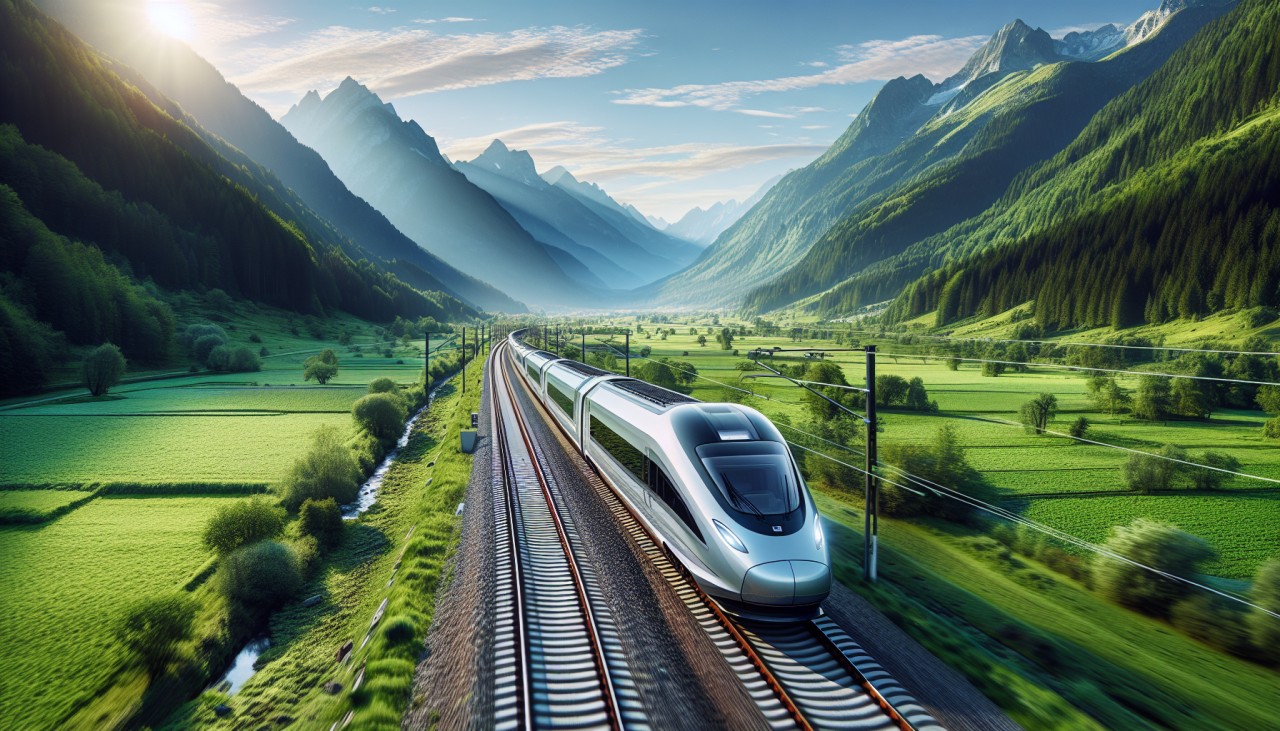
Rail electrification is rapidly reshaping the transportation landscape, offering a sustainable and efficient alternative to traditional diesel-powered systems. This transformation is driven by a combination of environmental imperatives, technological advancements, and economic considerations. As nations strive to meet ambitious climate goals, electrifying rail networks has emerged as a pivotal strategy to reduce greenhouse gas emissions and promote cleaner energy sources.
The global momentum towards rail electrification is evident in various initiatives worldwide. In India, the Economic Survey 2026 highlighted the continuous expansion of railway infrastructure, with the rail network reaching 69,439 route kilometers as of March 2025. Notably, by October 2025, India achieved 99.1% electrification of its broad gauge network, underscoring a significant commitment to sustainable transportation. indianexpress.com
Similarly, in the United Kingdom, the Midland Main Line upgrade exemplifies the nation's dedication to modernizing its rail infrastructure. Between 2015 and 2025, the UK implemented various upgrades, including electrification of key segments, to enhance capacity and efficiency. The electrification of the line from Bedford to St Pancras, completed in late 2025, enables trains to operate at speeds up to 125 mph, significantly reducing travel times and carbon emissions. en.wikipedia.org
Technological advancements play a crucial role in facilitating rail electrification. The development of battery-electric multiple units (BEMUs) has addressed challenges associated with non-electrified sections of rail networks. For instance, in 2025, Vivarail's Class 230 battery-electric trains set a world record by traveling 200.5 miles on a single charge, demonstrating the viability of battery-powered trains for regional and branch line services. en.wikipedia.org
The integration of smart technologies further enhances the efficiency and safety of electrified rail systems. Digital innovations such as artificial intelligence (AI), the Internet of Things (IoT), and data analytics are being leveraged to monitor and manage rail operations in real-time. These technologies enable predictive maintenance, optimize energy consumption, and improve overall system reliability. For example, AI-driven algorithms can detect anomalies in the pantograph-catenary interface, preventing potential arcing events that could disrupt service. arxiv.org
Economically, rail electrification offers substantial benefits. Electric trains are generally more energy-efficient than their diesel counterparts, leading to lower operational costs over time. Additionally, the shift to electric traction reduces dependence on fossil fuels, contributing to energy security and price stability. The global traction equipment market, encompassing components like motors, transformers, and control systems, is projected to reach USD 14,827.1 million by 2032, driven by the ongoing electrification and modernization of rail networks. prnewswire.com
In the United States, the American High-Speed Rail Act, introduced in March 2024, reflects a renewed federal commitment to modernizing American rail infrastructure and promoting sustainable transportation. The bill aims to accelerate the development and deployment of high-speed rail and higher-speed rail projects across the country, signaling a significant shift towards electrified rail systems. en.wikipedia.org
However, the transition to electrified rail systems is not without challenges. The implementation of electrification requires substantial investment in infrastructure, including the installation of overhead lines and substations. In regions where rail networks are extensive and densely populated, such as parts of Europe and Asia, the cost and logistical complexity of electrification can be significant. Moreover, the integration of electrified and non-electrified sections necessitates the development of dual-mode locomotives or battery-electric trains capable of operating seamlessly across different segments.
Despite these challenges, the benefits of rail electrification are compelling. Electrified rail systems contribute to reduced air pollution, decreased greenhouse gas emissions, and improved energy efficiency. As more countries and regions invest in electrifying their rail networks, the global transportation sector moves closer to a sustainable and efficient future.
In conclusion, rail electrification represents a transformative shift in the transportation sector, aligning with global sustainability goals and technological advancements. The ongoing efforts to electrify rail networks worldwide underscore a collective commitment to reducing carbon emissions and promoting cleaner energy sources. As the industry continues to innovate and overcome challenges, electrified rail systems are poised to play a pivotal role in shaping the future of sustainable transportation.
The integration of electrified rail systems into national transportation strategies not only addresses environmental concerns but also offers economic advantages. Electric trains typically have lower operating costs compared to diesel-powered counterparts, primarily due to higher energy efficiency and reduced maintenance requirements. This economic benefit is particularly significant in regions with extensive rail networks, where the cumulative savings from electrification can be substantial.
Moreover, the shift towards electrified rail systems stimulates technological innovation and industrial growth. The demand for advanced traction equipment, such as high-efficiency inverters and energy management systems, drives research and development in the sector. Companies like Siemens, ABB, and Alstom are at the forefront of developing cutting-edge technologies that enhance the performance and reliability of electrified rail systems. For instance, the global railway traction inverter market is projected to expand from USD 3.8 billion in 2026 to USD 6.2 billion by 2036, reflecting the growing demand for efficient and reliable electrification solutions. businesstimesjournal.com
The environmental benefits of rail electrification are also noteworthy. Electric trains produce fewer emissions compared to diesel-powered trains, contributing to improved air quality and reduced greenhouse gas emissions. This environmental advantage is particularly important in urban areas, where air pollution is a significant concern. Additionally, electrified rail systems can integrate renewable energy sources, further reducing their carbon footprint and promoting sustainable energy practices.
In regions where full electrification is not immediately feasible, alternative solutions such as battery-electric multiple units (BEMUs) and dual-mode locomotives offer viable options. These technologies allow trains to operate on both electrified and non-electrified tracks, providing flexibility and reducing the need for extensive infrastructure changes. For example, the Massachusetts Bay Transportation Authority (MBTA) in the United States has plans to convert the Fairmount Line to electric service by 2028–29, utilizing battery-electric multiple units to serve both electrified and non-electrified sections of the line. en.wikipedia.org
The adoption of electrified rail systems also has broader implications for urban planning and development. Efficient and sustainable transportation options can reduce traffic congestion, lower transportation costs, and improve the quality of life for residents. By investing in electrified rail infrastructure, cities and regions can promote economic development, attract investment, and enhance their competitiveness in the global economy.
In summary, rail electrification is a multifaceted strategy that offers environmental, economic, and social benefits. As technological advancements continue and investment in infrastructure increases, electrified rail systems are set to become a cornerstone of sustainable transportation networks worldwide. The ongoing efforts to electrify rail networks reflect a global commitment to reducing carbon emissions, promoting clean energy, and creating efficient and livable urban environments.
Key Takeaways
- Global rail electrification is accelerating, with India achieving 99.1% electrification of its broad gauge network by October 2025.
- Technological innovations like battery-electric multiple units and dual-mode locomotives are addressing challenges in non-electrified sections.
- Electrified rail systems offer economic benefits through lower operating costs and stimulate technological innovation.
- Environmental advantages include reduced greenhouse gas emissions and improved air quality, especially in urban areas.
- Alternative solutions such as BEMUs and dual-mode locomotives provide flexibility in regions where full electrification is not feasible.