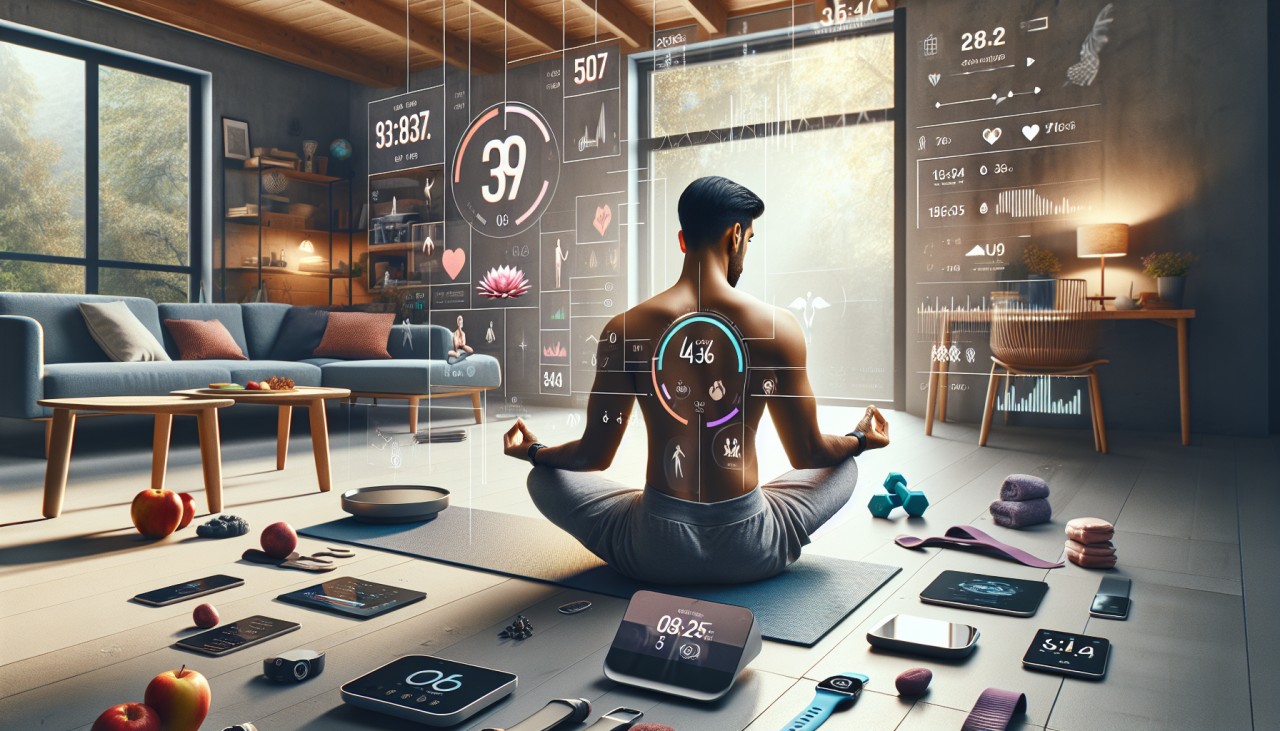
In 2026, the pursuit of self-growth has evolved into a more personalized and technology-driven journey, with individuals increasingly turning to customized wellness solutions to enhance their mental and physical well-being. This shift is largely driven by advancements in artificial intelligence (AI), wearable technologies, and a deeper understanding of the mind-body connection. Personalized wellness encompasses a range of practices and tools tailored to an individual's unique needs, preferences, and goals, moving away from one-size-fits-all approaches to a more holistic and individualized path to self-improvement.
One of the most significant developments in personalized wellness is the integration of AI and machine learning into health and fitness applications. These technologies analyze vast amounts of data from wearable devices, such as smartwatches and fitness trackers, to provide users with real-time insights into their health metrics, including heart rate variability, sleep patterns, and stress levels. For instance, AI-powered apps can now offer personalized workout plans that adapt to a user's progress and adjust based on performance, ensuring optimal results and reducing the risk of injury. Similarly, nutrition apps utilize AI to analyze dietary habits and recommend meal plans that align with individual health goals, taking into account factors like metabolic rate, activity level, and personal preferences.
The rise of telemedicine and virtual health consultations has also played a pivotal role in personalized wellness. In 2026, individuals have greater access to healthcare professionals through digital platforms, enabling them to receive tailored advice and support without the constraints of geographical location. Virtual consultations allow for continuous monitoring and adjustment of wellness plans, fostering a more dynamic and responsive approach to health management. This accessibility ensures that personalized wellness is not limited to those with proximity to specialized healthcare facilities but is available to a broader population seeking self-improvement.
Moreover, the emphasis on mental health within personalized wellness has led to the development of digital tools designed to support emotional well-being. Mindfulness and meditation apps, for example, offer guided sessions tailored to an individual's stress levels and emotional state, promoting mental clarity and resilience. These applications often incorporate AI to adapt the content and duration of sessions based on user feedback and progress, ensuring that the practice remains relevant and effective. Additionally, virtual therapy platforms provide access to licensed professionals who can offer personalized strategies for managing mental health challenges, further integrating mental well-being into the personalized wellness landscape.
The concept of personalized wellness extends beyond digital tools to include lifestyle and environmental factors. In 2026, there is a growing recognition of the importance of creating personalized living spaces that promote well-being. This includes designing home environments that cater to individual sensory preferences, such as incorporating specific lighting, colors, and scents that evoke positive emotions and reduce stress. The integration of nature-inspired elements, like indoor plants and natural materials, has been shown to enhance mood and productivity, reflecting a holistic approach to self-growth that encompasses both the mind and the environment.
Furthermore, personalized wellness in 2026 acknowledges the significance of social connections and community support in the journey of self-improvement. Online communities and support groups tailored to specific health and wellness goals provide individuals with a sense of belonging and shared purpose. These platforms facilitate the exchange of experiences, advice, and encouragement, fostering a supportive network that enhances motivation and accountability. The ability to connect with like-minded individuals globally has expanded the reach and impact of personalized wellness, making self-growth a more communal and interconnected experience.
As personalized wellness continues to evolve, ethical considerations regarding data privacy and security have become paramount. The collection and analysis of personal health data raise concerns about consent, data ownership, and the potential for misuse. In response, there has been a concerted effort to develop transparent policies and technologies that prioritize user privacy and control over personal information. Ensuring that individuals have autonomy over their data is crucial for maintaining trust and encouraging widespread adoption of personalized wellness solutions.
In summary, the landscape of self-growth in 2026 is characterized by a shift towards personalized wellness, driven by technological advancements and a comprehensive understanding of individual needs. This approach empowers individuals to take proactive control of their health and well-being, fostering a more engaged and informed journey toward self-improvement. By embracing personalized wellness, individuals can navigate the complexities of modern life with greater resilience and purpose, achieving a more balanced and fulfilling existence.
Key Takeaways
- AI and machine learning are revolutionizing personalized health and fitness applications, offering tailored workout and nutrition plans.
- Telemedicine and virtual consultations provide accessible, individualized healthcare advice and support.
- Digital tools for mental health, such as mindfulness apps and virtual therapy platforms, are integral to personalized wellness.
- Creating personalized living spaces that cater to individual sensory preferences enhances overall well-being.
- Online communities and support groups foster social connections and accountability in the pursuit of self-improvement.
Example
To incorporate personalized wellness into your daily routine, consider the following practical steps: 1. Utilize AI-Powered Health Apps: Download a fitness app that uses AI to create customized workout and nutrition plans based on your goals and progress. These apps adapt to your performance, ensuring that your regimen remains effective and engaging. 2. Engage in Virtual Health Consultations: Schedule regular virtual check-ins with healthcare professionals to receive personalized advice and adjustments to your wellness plan. This approach offers flexibility and continuous support, making it easier to stay on track with your health objectives. 3. Practice Mindfulness with Digital Tools: Incorporate daily mindfulness exercises using apps that offer guided sessions tailored to your stress levels and emotional state. Regular practice can enhance mental clarity and resilience, contributing to overall well-being. 4. Design a Personalized Living Space: Create a home environment that reflects your sensory preferences by selecting colors, lighting, and scents that promote relaxation and focus. Incorporating natural elements like indoor plants can also enhance mood and productivity. 5. Join Online Wellness Communities: Participate in virtual groups focused on health and wellness goals to share experiences, seek advice, and find motivation. These communities provide a sense of belonging and support, enriching your self-growth journey. By integrating these practices into your daily life, you can harness the benefits of personalized wellness to foster continuous self-improvement and achieve a more balanced and fulfilling lifestyle.