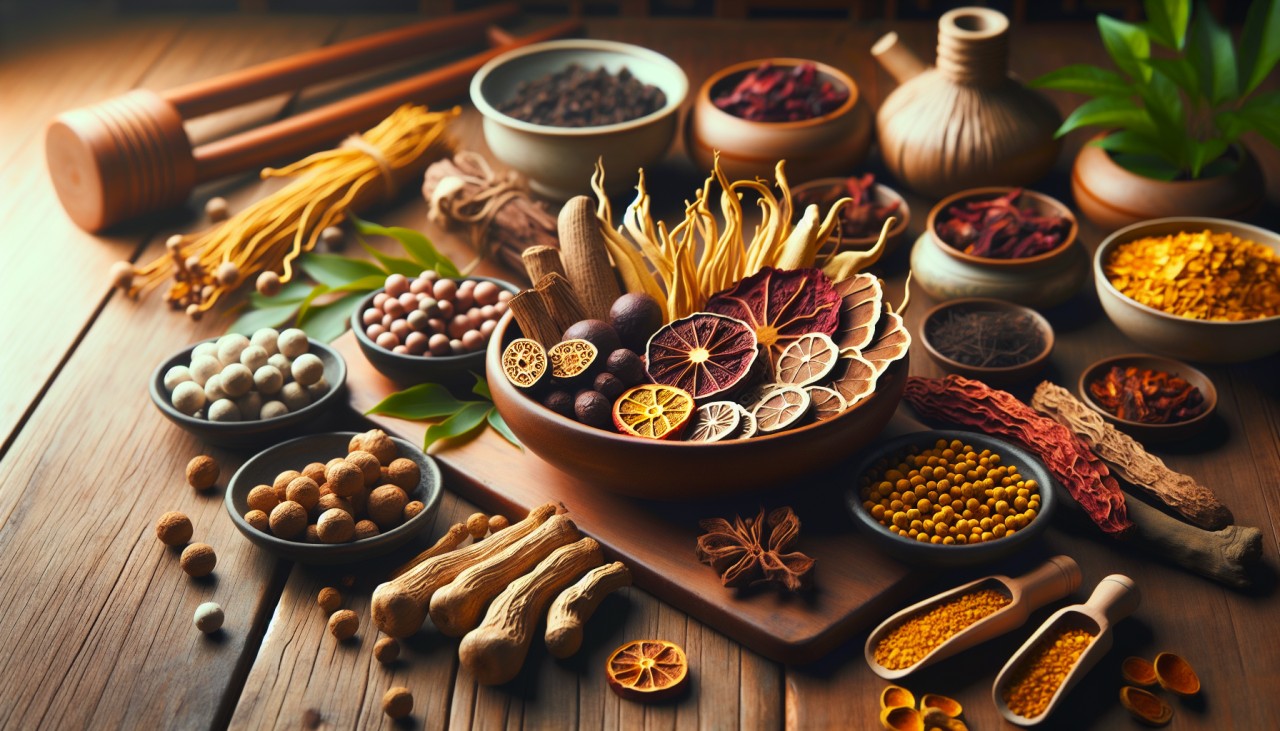
In the realm of Traditional Chinese Medicine (TCM), the concept of "Yang" represents the body's active, warming, and energizing forces. When Yang energy is deficient, individuals may experience symptoms such as fatigue, cold extremities, low libido, and a general sense of lethargy. To counteract these imbalances, TCM practitioners often turn to Yang-strengthening herbs—natural remedies renowned for their ability to invigorate and restore the body's Yang energy.
Understanding Yang and Its Role in Health
In TCM, the human body is viewed as a dynamic system of interrelated energies, with Yin and Yang being fundamental opposites that maintain balance. While Yin embodies coolness, rest, and substance, Yang encompasses warmth, activity, and function. A harmonious balance between Yin and Yang is essential for optimal health. An excess or deficiency in either can lead to various health issues.
Yang deficiency manifests in several ways, including:
- Fatigue and Lethargy: A pervasive sense of tiredness and a lack of energy.
- Cold Sensitivity: Feeling unusually cold, especially in the extremities.
- Low Libido: Reduced sexual desire and function.
- Digestive Issues: Symptoms like bloating, diarrhea, or a feeling of heaviness.
Addressing Yang deficiency involves both lifestyle modifications and the use of specific herbs that can invigorate Yang energy.
Top Yang-Strengthening Herbs and Their Benefits
Several herbs are celebrated in TCM for their Yang-strengthening properties. Here are some of the most notable:
1. Epimedium (Yin Yang Huo): Often referred to as "Horny Goat Weed," Epimedium is renowned for its ability to tonify kidney Yang and dispel wind-dampness. It's commonly used to treat kidney deficiency and joint pain. Historically, it has been documented in ancient Chinese medical texts for its efficacy in enhancing vitality and supporting joint health. healthlaborganics.com
2. Cistanche (Rou Cong Rong): Known as a powerful Yang tonic, Cistanche is famous in China as a sexual tonic used by Chinese royalty and qigong practitioners. It builds deep strength and is revitalizing when used continuously over time. Additionally, it promotes healthy colon functioning and is considered an excellent anti-aging herb. qi-journal.com
3. Morinda Root (Ba Ji Tian): This herb is used to tonify the kidneys and strengthen Yang. It's often included in formulations aimed at enhancing vitality and sexual function. activeherb.com
4. Cynomorium (Suo Yang): Suo Yang is commonly offered to men with impotence issues. It treats kidney Yang deficiency with associated symptoms of fatigue, difficulty urinating, soreness in the lower back and knees, poor libido, and cold limbs. It also has a moistening effect and improves peristalsis. herbsformentalhealth.org
5. Eucommia Bark (Du Zhong): This herb is used to tonify the kidneys and strengthen Yang. It's often included in formulations aimed at enhancing vitality and sexual function. activeherb.com
Integrating Yang-Strengthening Herbs into Your Daily Routine
Incorporating Yang-strengthening herbs into your daily life can be both enjoyable and beneficial. Here are some practical ways to do so:
- Herbal Teas: Many of these herbs can be brewed into teas. For instance, Epimedium and Cistanche can be simmered to create a nourishing drink. Adding a touch of honey or ginger can enhance the flavor and provide additional health benefits.
- Supplements: High-quality supplements containing these herbs are available. It's essential to choose products from reputable sources to ensure purity and potency.
- Incorporate into Meals: Some herbs, like Morinda root, can be added to soups or stews. Consult with a TCM practitioner or herbalist for guidance on appropriate dosages and preparation methods.
Lifestyle Tips to Support Yang Energy
Beyond herbal remedies, certain lifestyle practices can bolster Yang energy:
- Regular Exercise: Engaging in activities like Tai Chi or Qigong can stimulate Yang energy and improve circulation.
- Balanced Diet: Consuming warming foods such as lamb, cinnamon, and garlic can support Yang. Incorporate these into your meals to enhance vitality.
- Adequate Rest: Ensure you get sufficient sleep to allow your body to rejuvenate and maintain energy levels.
- Stress Management: Chronic stress can deplete Yang energy. Practices like meditation, deep breathing, and spending time in nature can help manage stress levels.
Conclusion
Yang-strengthening herbs offer a natural and effective way to invigorate the body's Yang energy, leading to improved vitality, enhanced sexual function, and overall well-being. By understanding their properties and integrating them thoughtfully into your daily routine, you can harness the benefits of these time-honored remedies. Always consult with a qualified healthcare professional or TCM practitioner before starting any new herbal regimen to ensure it's appropriate for your individual health needs.
Key Takeaways
- Epimedium, Cistanche, and Morinda root are top Yang-strengthening herbs.
- Incorporate these herbs through teas, supplements, or meals.
- Support Yang energy with exercise, a balanced diet, and stress management.
Example
To enhance your Yang energy, consider starting your day with a warm cup of Epimedium tea. Incorporate warming foods like lamb and garlic into your meals, and engage in regular activities like Tai Chi to stimulate Yang energy. Remember to consult with a healthcare professional before beginning any new herbal regimen.