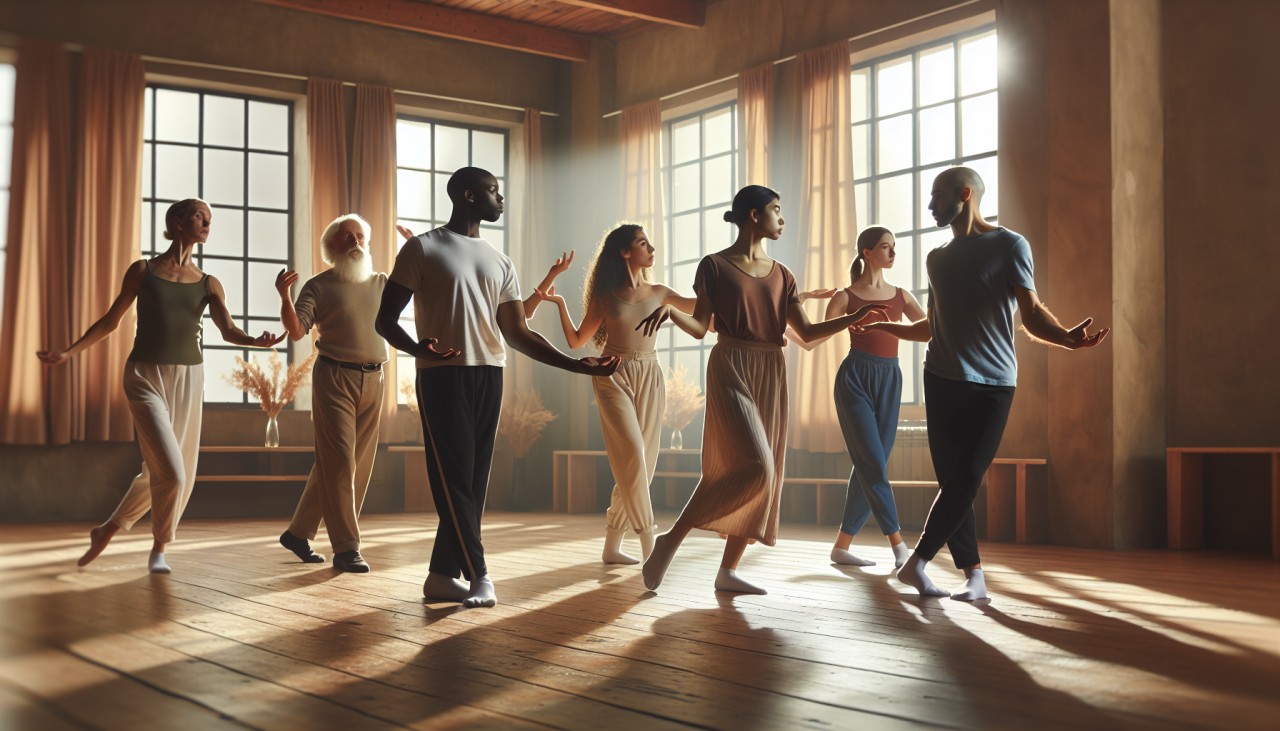
Dance Movement Therapy (DMT) is emerging as a transformative approach in the realm of mental health, offering a unique blend of physical activity and psychological healing. Rooted in the belief that movement reflects the inner state of an individual, DMT utilizes dance and movement to promote emotional, cognitive, and physical integration. This therapeutic modality is gaining traction worldwide, with numerous studies highlighting its efficacy across various populations and mental health conditions.
One of the most compelling aspects of DMT is its ability to address mental health issues by engaging both the mind and body. Traditional talk therapies often focus solely on cognitive processes, but DMT recognizes that emotions are not only experienced mentally but also physically. By encouraging individuals to express themselves through movement, DMT facilitates a deeper connection to their emotions, leading to enhanced self-awareness and emotional regulation. This holistic approach has been particularly beneficial for individuals with depression and anxiety disorders.
A randomized controlled trial conducted in China assessed the impact of DMT on university students experiencing depression and anxiety. The study found that participants who underwent DMT sessions reported significant reductions in depressive and anxious symptoms compared to a control group. These improvements were sustained for up to three months post-intervention, suggesting the long-term benefits of incorporating movement-based therapies into mental health treatment plans. sciencedirect.com
Beyond mood disorders, DMT has shown promise in enhancing cognitive functions and motor skills, particularly in older adults and individuals with neurodegenerative diseases. A systematic review and meta-analysis examined the effects of DMT on adults without dementia and found that dance interventions positively impacted psychological health, including reductions in depression and anxiety symptoms. Similarly, research focusing on neurodegenerative diseases like Parkinson's and Alzheimer's has demonstrated that DMT can improve motor function, balance, and overall quality of life. These findings underscore the versatility of DMT in addressing a wide range of mental health challenges. mdpi.com
The integration of DMT into physical therapy regimens has also yielded promising results. A preliminary controlled trial investigated the effects of combining DMT with traditional physical therapy exercises on older adults. The study revealed that participants who engaged in the combined intervention experienced improvements in balance, self-efficacy, and heart rate variability, indicating a reduction in fall risk. This suggests that incorporating movement-based therapies can enhance the effectiveness of physical rehabilitation programs, particularly for the elderly population. link.springer.com
Incorporating DMT into daily life can be a valuable tool for maintaining and improving mental health. Individuals can engage in simple movement exercises at home, such as stretching, dancing to their favorite music, or practicing mindful movement routines. These activities not only promote physical health but also serve as a form of emotional expression and stress relief. For those interested in structured guidance, numerous online platforms and mobile applications offer virtual DMT sessions and tutorials. These resources provide accessible ways to integrate movement therapy into one's routine, regardless of location or experience level.
In conclusion, Dance Movement Therapy represents a dynamic and effective approach to mental health care, bridging the gap between physical activity and psychological healing. Its holistic nature addresses the complex interplay between mind and body, offering individuals a pathway to emotional well-being and resilience. As research continues to validate its benefits, DMT is poised to become a mainstream component of therapeutic practices, providing a creative and empowering avenue for personal growth and healing.
Key Takeaways
- DMT integrates physical movement with psychological therapy to enhance emotional regulation.
- Studies have shown DMT's effectiveness in reducing symptoms of depression and anxiety.
- DMT improves cognitive functions and motor skills in older adults and individuals with neurodegenerative diseases.
- Combining DMT with physical therapy can reduce fall risk in older adults.
- Incorporating DMT into daily routines promotes mental and physical well-being.
Example
To incorporate Dance Movement Therapy into your daily life, consider setting aside time each day to engage in movement activities that you enjoy. This could be as simple as dancing to your favorite music, practicing yoga, or following online DMT sessions. Regular participation in these activities can enhance emotional regulation, reduce stress, and improve overall well-being. For structured guidance, explore mobile applications and online platforms that offer virtual DMT sessions tailored to various skill levels and preferences.