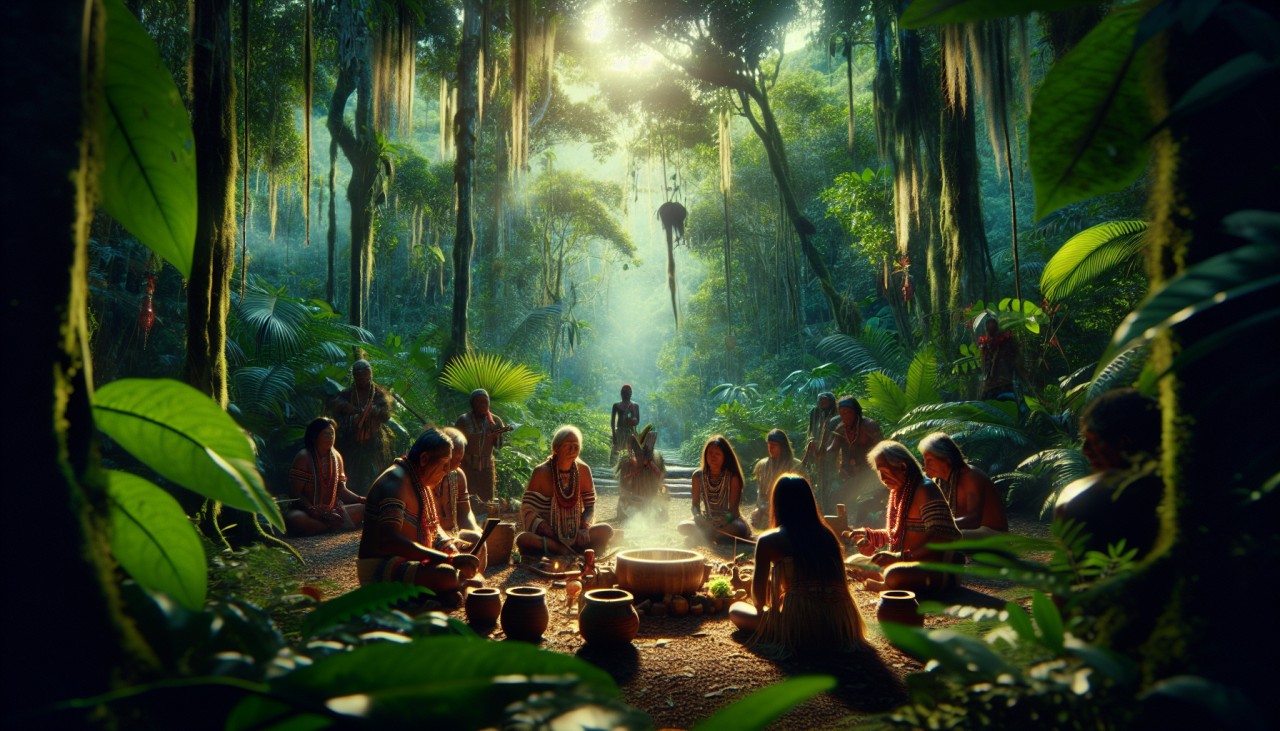
The Amazon rainforest, often referred to as the "Lungs of the Earth," is not only a biodiversity hotspot but also a cradle of ancient healing practices that have been integral to the indigenous cultures for centuries. Among these practices, Amazonian rituals stand out for their profound impact on physical, mental, and spiritual well-being. These rituals, deeply embedded in the cultural fabric of Amazonian tribes, involve the use of sacred plants, ceremonial practices, and spiritual guidance to promote healing and balance.
One of the most renowned Amazonian rituals is the Ayahuasca ceremony. Ayahuasca is a potent brew made from the Banisteriopsis caapi vine and the leaves of the Psychotria viridis plant, both native to the Amazon basin. Traditionally, indigenous healers, known as curanderos, prepare and administer this brew during ceremonies aimed at healing, divination, and spiritual growth. The primary psychoactive compound in Ayahuasca is N,N-Dimethyltryptamine (DMT), which, when ingested, induces intense visual and auditory hallucinations, deep introspection, and a sense of connection to the universe.
Recent scientific studies have begun to explore the therapeutic potential of Ayahuasca. Research indicates that Ayahuasca may promote neuroplasticity—the brain's ability to reorganize and form new neural connections—which is beneficial for mental health. A 2016 study published in Psychopharmacology found that Ayahuasca decreases activity in the amygdala and prefrontal cortex, regions involved in fear and anxiety perception. This reduction in activity may help alleviate symptoms of anxiety and depression. floweroflifeperu.com
Another significant ritual is the use of Kambo, a secretion from the skin of the giant leaf frog (Phyllomedusa bicolor). Indigenous tribes such as the Matsés, Katukina, and Yawanawá have utilized Kambo for centuries as a purgative and healing agent. The ritual involves applying the frog secretion to small burns on the skin, allowing the bioactive peptides to enter the bloodstream. This process induces intense physiological reactions, including vomiting, sweating, and diarrhea, which are believed to expel toxins and negative energies from the body.
While Kambo is deeply rooted in Amazonian tradition, its use has gained attention in Western alternative medicine circles. Proponents claim that Kambo can enhance physical strength, mental clarity, and emotional balance. However, it's important to note that scientific evidence supporting these claims is limited. A meta-review of 50 studies found that extreme cases of Kambo use have led to severe health complications, including psychosis, kidney damage, and even death. Therefore, caution is advised, and individuals should consult healthcare professionals before considering such practices. en.wikipedia.org
Beyond these specific rituals, Amazonian medicine encompasses a vast array of plant-based remedies used for various health conditions. For instance, Chuchuhuasi (Maytenus krukovii) is a tree native to the Peruvian Amazon, revered for its anti-inflammatory and analgesic properties. The bark is traditionally used to treat chronic pain, arthritis, and to strengthen the immune system. Similarly, Bobinsana (Calliandra angustifolia) is used to relieve nervous tension and promote relaxation. madreselvaresort.com
The integration of Amazonian rituals into modern wellness practices has been met with both enthusiasm and skepticism. While these rituals offer unique perspectives on healing and personal growth, it's crucial to approach them with respect for their cultural origins and an understanding of potential risks. Engaging in such practices should be done under the guidance of qualified practitioners and within appropriate cultural contexts.
Incorporating elements of Amazonian rituals into daily life can be a means of enhancing well-being. For example, practices such as mindfulness meditation, which shares similarities with the introspective aspects of Ayahuasca ceremonies, can be adopted. Additionally, incorporating herbal teas made from Amazonian plants like Bobinsana can promote relaxation and stress relief. However, it's essential to source these herbs responsibly and be aware of any legal restrictions in your area.
In conclusion, Amazonian rituals offer profound insights into holistic healing practices that address the interconnectedness of body, mind, and spirit. While modern science continues to explore and validate these traditional practices, it's imperative to approach them with cultural sensitivity, respect, and caution. By doing so, individuals can gain valuable tools for personal growth and well-being, grounded in ancient wisdom and contemporary understanding.
Key Takeaways
- Ayahuasca ceremonies may promote neuroplasticity and alleviate anxiety and depression symptoms.
- Kambo rituals involve applying frog secretion to burns, inducing purgative effects believed to expel toxins.
- Chuchuhuasi bark is traditionally used to treat chronic pain and strengthen the immune system.
- Integrating mindfulness practices can mirror the introspective aspects of Amazonian rituals.
- Responsible sourcing and cultural respect are essential when incorporating Amazonian plant-based remedies.
Example
To incorporate elements of Amazonian rituals into your daily routine, consider practicing mindfulness meditation to enhance self-awareness and emotional balance. Additionally, explore herbal teas made from Amazonian plants like Bobinsana (Calliandra angustifolia) to promote relaxation. Ensure that any herbal products are sourced ethically and are legal in your area. Always consult with healthcare professionals before introducing new practices or substances into your wellness regimen.