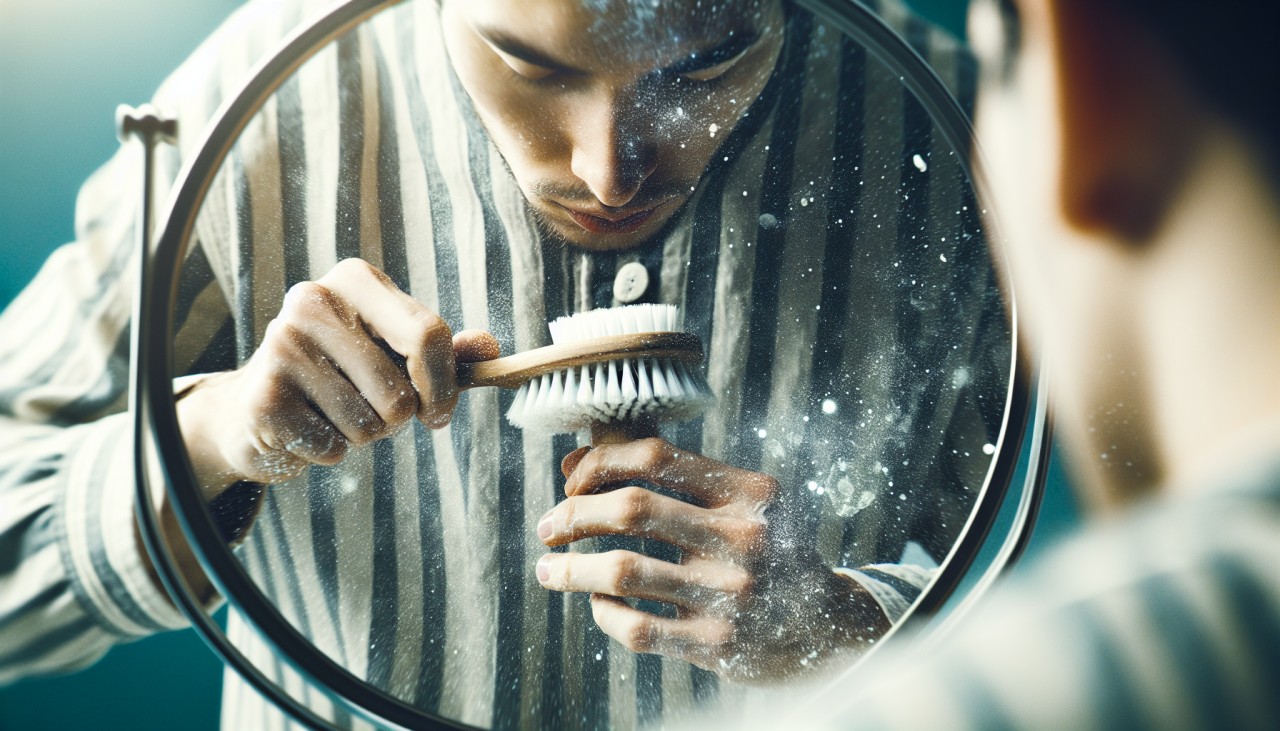
Dry brushing, an age-old practice rooted in Ayurvedic medicine, has recently surged in popularity as a skincare technique. Advocates claim it offers a multitude of benefits, from exfoliating dead skin cells to stimulating the lymphatic system. However, it's essential to scrutinize these claims through the lens of scientific evidence to determine their validity.
Exfoliation and Skin Health
One of the primary benefits attributed to dry brushing is exfoliation. The stiff bristles of a dry brush are believed to remove dead skin cells, unclog pores, and promote cell turnover. This process can result in smoother, softer skin and may enhance the skin's ability to absorb moisturizing products. Dermatologists acknowledge that dry brushing can provide light exfoliation, which can improve skin texture and appearance. However, it's crucial to perform this technique gently to avoid skin irritation. Overzealous brushing can lead to redness, inflammation, or even micro-abrasions, which can compromise the skin's barrier function. Therefore, it's advisable to use a brush with natural bristles and apply light pressure during the process.
Lymphatic Drainage and Detoxification
Proponents of dry brushing often claim that it stimulates the lymphatic system, aiding in detoxification and reducing cellulite. The lymphatic system plays a vital role in removing toxins and waste products from the body. While light stimulation of the skin may enhance lymphatic flow beneath the skin, the evidence supporting this claim is limited. A study on a similar technique found that light superficial stimulation "may enhance lymphatic flow beneath the skin," but the mechanism and measurable outcomes were not well documented. Therefore, while dry brushing may offer temporary improvements in skin appearance due to increased blood flow, it should not be relied upon as a primary method for detoxification or cellulite reduction.
Circulation and Skin Appearance
Dry brushing is also believed to improve blood circulation, which can enhance the delivery of oxygen and nutrients to skin cells, potentially promoting a healthier complexion. The brushing motion stimulates blood flow to the skin's surface, increasing circulation and promoting oxygen and nutrient delivery to tissues. This increased blood flow can help reduce puffiness and contribute to a healthy, natural glow. However, it's important to note that while improved circulation can temporarily make skin look firmer and more toned, these effects are short-lived and do not address the underlying causes of skin conditions like cellulite.
Risks and Considerations
While dry brushing is generally safe for most individuals, certain precautions should be taken. People with sensitive skin, eczema, psoriasis, or other inflammatory skin conditions should avoid dry brushing, as it can exacerbate these conditions. Additionally, dry brushing should not be performed on broken or irritated skin, as it can introduce bacteria and lead to infection. It's also essential to clean the brush regularly to prevent bacterial growth. After dry brushing, it's recommended to take a cool shower to remove dead skin cells and apply a moisturizer to hydrate the skin.
Practical Application
If you're considering incorporating dry brushing into your skincare routine, it's essential to do so safely and effectively. Choose a brush with natural bristles and a long handle to reach all areas of your body. Start at your feet and brush upward toward your heart using long, fluid strokes. Avoid sensitive areas and areas with broken skin. After brushing, take a cool shower to remove dead skin cells and apply a moisturizer to hydrate the skin. Remember, while dry brushing can offer temporary improvements in skin appearance, it should not replace other skincare practices or medical treatments.
Key Takeaways
- Dry brushing can provide light exfoliation, improving skin texture and appearance.
- Claims that dry brushing stimulates the lymphatic system and aids in detoxification lack strong scientific evidence.
- Overzealous brushing can lead to skin irritation; use gentle pressure and avoid sensitive areas.
- Dry brushing should not be performed on broken or irritated skin.
- Regular cleaning of the brush is essential to prevent bacterial growth.
Example
To incorporate dry brushing into your daily routine, consider the following steps: 1. Choose the Right Brush: Select a natural bristle brush with a long handle to reach all areas of your body. Ensure the bristles are firm but not too harsh to avoid skin irritation. 2. Establish a Routine: Dry brush once a day, preferably in the morning before showering. This can invigorate the skin and prepare it for moisturizing products. 3. Technique: Start at your feet and brush upward toward your heart using long, fluid strokes. Use light pressure and avoid sensitive areas, such as the face and areas with broken skin. 4. Aftercare: After dry brushing, take a cool shower to remove dead skin cells and apply a moisturizer to hydrate the skin. By following these steps, you can safely incorporate dry brushing into your skincare routine and potentially enjoy its benefits.