[Paragraph 1]
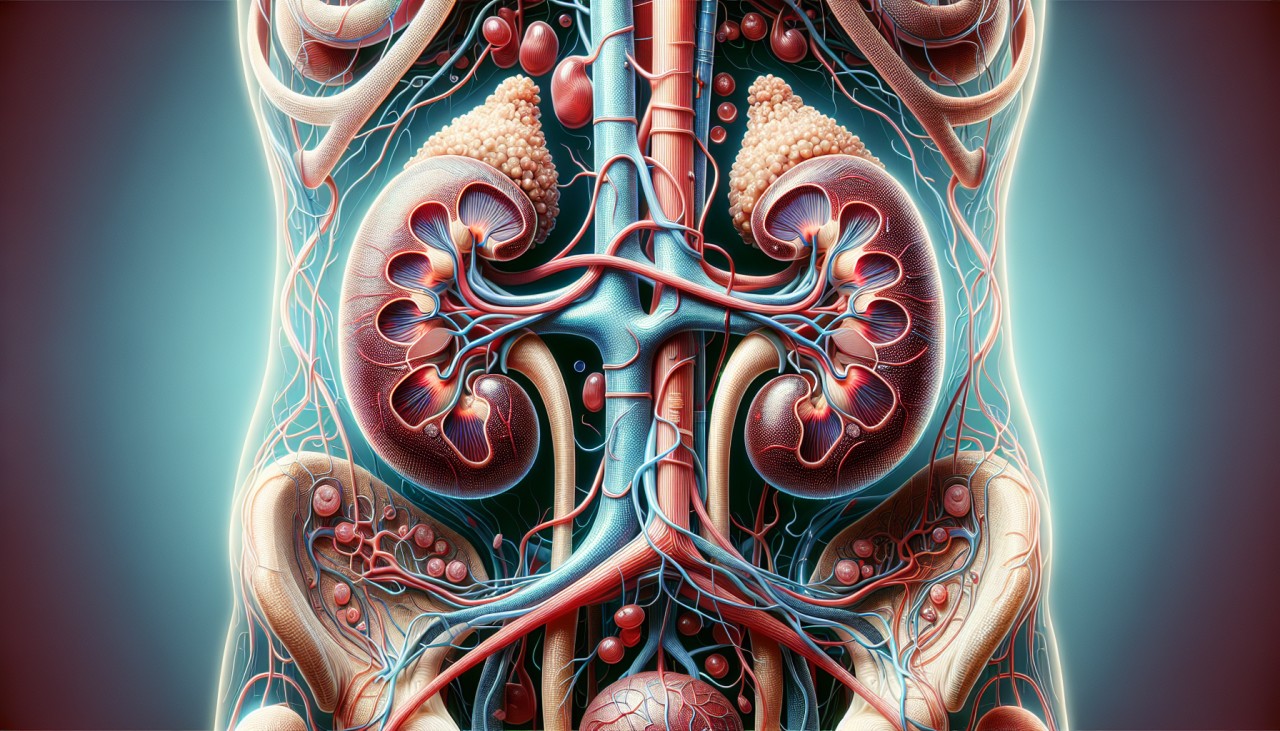
The kidneys, two bean-shaped organs nestled in the lower back, are vital to our overall health, performing essential functions that extend beyond waste filtration. They regulate fluid balance, electrolyte levels, and blood pressure, and produce hormones that influence red blood cell production and calcium metabolism. Understanding the mechanisms behind these processes is crucial for developing effective treatments for kidney-related diseases.
A groundbreaking study by Scripps Research scientists has shed light on a key hormonal circuit within the kidneys. Published in Cell on December 4, 2025, the research identifies the protein PIEZO2 as a pivotal player in regulating renin, a hormone central to blood pressure control. Renin is released by specialized kidney cells in response to physical forces like blood flow and pressure. The PIEZO2 protein enables these cells to sense these forces and adjust renin output accordingly, maintaining blood pressure stability. This discovery not only enhances our understanding of kidney function but also opens new avenues for treating conditions associated with abnormal blood pressure regulation. scripps.edu
In another significant advancement, researchers at Johns Hopkins Medicine have identified specific biomarkers in urine and blood that can predict the progression of kidney disease. Their study, published in the Journal of Clinical Investigation on March 23, 2023, focused on patients who had experienced acute kidney injury (AKI). By measuring levels of biomarkers such as KIM-1, MCP-1, and TNFRI, the researchers found that changes in these markers over time were associated with a two- to three-fold increased risk of developing chronic kidney disease (CKD). This finding underscores the importance of monitoring these biomarkers in patients recovering from AKI to prevent the progression to CKD. hopkinsmedicine.org
The integration of artificial intelligence (AI) into nephrology has also shown promise in early detection and prognosis of kidney diseases. A study published on January 25, 2025, developed a dynamic kidney failure prediction model based on deep learning techniques. Utilizing real-world electronic health records, the model demonstrated high accuracy in predicting kidney failure, surpassing existing static models. This AI-driven approach offers a continuously updated decision-support tool for clinicians, potentially transforming the management of CKD. arxiv.org
Furthermore, advancements in imaging techniques have enhanced our ability to detect early signs of kidney damage. A study published on August 8, 2025, evaluated the use of multi-b-value spectral diffusion MRI to detect early kidney allograft fibrosis. The findings suggest that this imaging method can identify mild to moderate fibrosis before a decline in kidney function occurs, offering a promising tool for early intervention and monitoring of kidney transplant recipients. arxiv.org
These studies collectively contribute to a more comprehensive understanding of kidney function and disease progression. By identifying key proteins, biomarkers, and employing advanced technologies, researchers are paving the way for more effective diagnostics and treatments, ultimately improving patient outcomes in kidney health.
[Paragraph 2]
The implications of these research findings extend beyond the laboratory, offering practical applications for individuals seeking to maintain or improve their kidney health. Understanding the factors that influence kidney function can empower individuals to make informed lifestyle choices and seek timely medical interventions.
One of the most significant lifestyle factors affecting kidney health is hydration. Adequate water intake is essential for the kidneys to filter waste and regulate fluid balance effectively. Dehydration can lead to kidney damage over time, so it's important to drink sufficient water throughout the day. The National Kidney Foundation recommends that adults consume at least 64 ounces (about 1.9 liters) of water daily, but individual needs may vary based on factors like age, activity level, and climate.
Diet also plays a crucial role in kidney health. A balanced diet rich in fruits, vegetables, whole grains, and lean proteins can support kidney function. Limiting the intake of sodium, processed foods, and excessive protein can reduce the burden on the kidneys. For individuals with existing kidney conditions, working with a healthcare provider or a registered dietitian to develop a personalized nutrition plan is advisable.
Regular physical activity is beneficial for overall health and can help maintain a healthy weight, reducing the risk of conditions like hypertension and diabetes, which are leading causes of kidney disease. Engaging in activities such as walking, swimming, or cycling for at least 30 minutes most days of the week can be advantageous.
Monitoring blood pressure and blood sugar levels is vital, especially for those with a family history of kidney disease or other risk factors. High blood pressure can damage the blood vessels in the kidneys, leading to CKD. Maintaining blood pressure within a healthy range can help protect kidney function. Similarly, managing blood sugar levels is crucial for individuals with diabetes to prevent kidney damage.
Smoking cessation is another important step in preserving kidney health. Smoking can impair blood flow to the kidneys and increase the risk of kidney disease progression. Quitting smoking can improve overall health and reduce the risk of kidney-related complications.
For those interested in leveraging technology to monitor and improve kidney health, several tools and applications are available. Mobile apps can track water intake, physical activity, and dietary habits, providing insights into lifestyle choices that impact kidney function. Additionally, wearable devices can monitor vital signs like blood pressure and heart rate, offering real-time data that can be shared with healthcare providers for personalized care.
Incorporating these habits and utilizing available tools can empower individuals to take proactive steps in maintaining kidney health. Regular check-ups with healthcare providers, staying informed about kidney health, and adhering to prescribed treatments are essential components of kidney disease prevention and management.
Key Takeaways
- Hydration is essential for kidney function; aim for at least 64 ounces of water daily.
- A balanced diet supports kidney health; limit sodium and processed foods.
- Regular physical activity helps maintain a healthy weight and reduces kidney disease risk.
- Monitoring blood pressure and blood sugar levels is crucial for kidney protection.
- Smoking cessation can improve kidney health and reduce disease progression.
Example
Consider Sarah, a 45-year-old woman with a family history of kidney disease. She decides to take proactive steps to maintain her kidney health by increasing her daily water intake, incorporating more fruits and vegetables into her diet, and starting a regular walking routine. She also uses a mobile app to track her water consumption and physical activity, setting daily goals and reminders. By making these changes, Sarah feels more energetic and confident in her efforts to protect her kidneys.