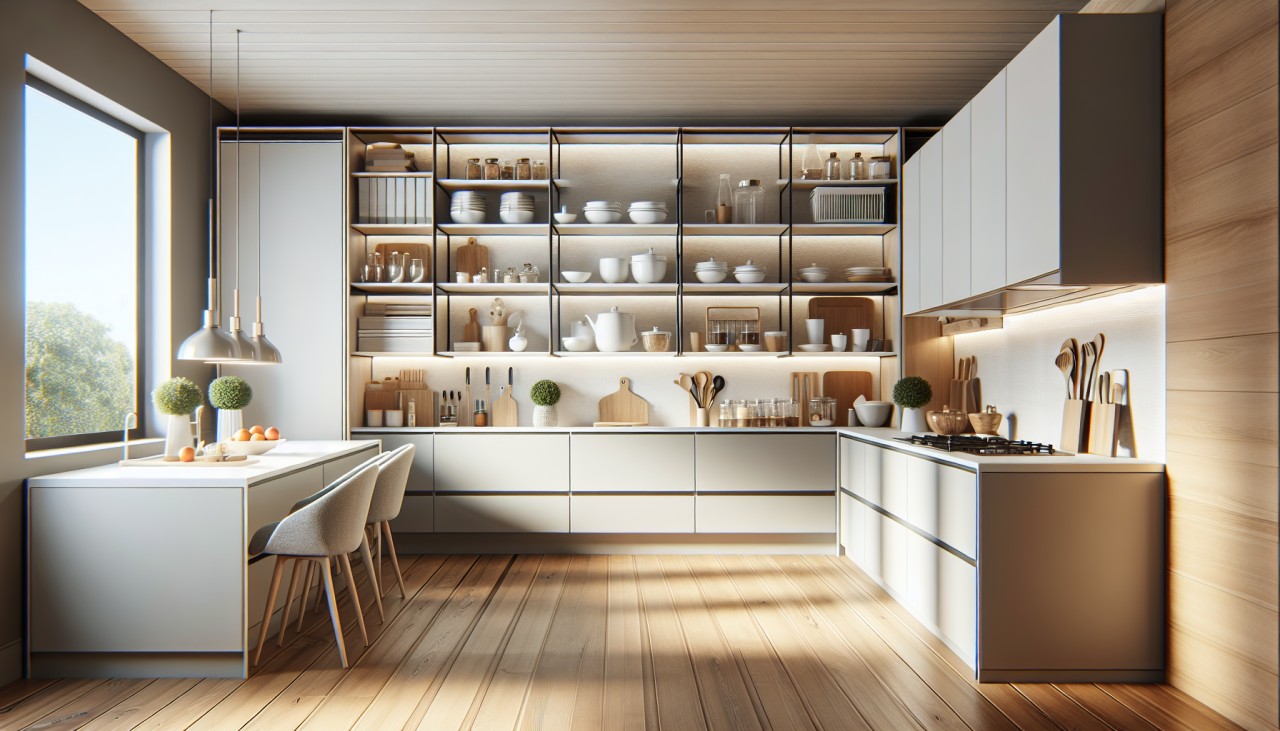
In today's fast-paced world, the kitchen often serves as the heart of the home—a place where meals are prepared, families gather, and memories are made. However, for many, it can also become a source of stress and overwhelm due to clutter and disorganization. Enter kitchen minimalism: a design philosophy that emphasizes simplicity, functionality, and intentionality. By embracing this approach, you can transform your cooking space into a serene environment that not only enhances your culinary experiences but also contributes to your overall well-being.
At its core, kitchen minimalism is about stripping away the non-essential to focus on what truly matters. This means decluttering countertops, opting for streamlined cabinetry, and choosing quality over quantity when it comes to kitchen tools and appliances. The benefits of such an approach are manifold. For one, a minimalist kitchen can significantly reduce stress levels. Research has shown that cluttered environments can elevate cortisol levels—the body's primary stress hormone—leading to feelings of anxiety and mental fatigue. By creating a clean and organized space, you foster a sense of calm and order, making meal preparation a more enjoyable and less taxing task.
Moreover, a minimalist kitchen promotes efficiency and functionality. With fewer items to manage, you can easily locate the tools and ingredients you need, streamlining your cooking process. This not only saves time but also encourages healthier eating habits, as the ease of preparing meals at home can reduce the temptation to opt for takeout or processed foods. Additionally, minimalist design often incorporates smart storage solutions, such as built-in cabinets and hidden drawers, which maximize space and keep essentials within easy reach without compromising on aesthetics.
Beyond the practical advantages, adopting a minimalist approach in your kitchen can also have a positive impact on your mental health. A clutter-free environment has been linked to improved focus and productivity, as the mind is not constantly distracted by visual noise. This clarity can extend to other areas of your life, fostering a sense of balance and well-being. Furthermore, embracing minimalism encourages mindfulness and intentionality, prompting you to appreciate the quality and purpose of the items you choose to keep in your space.
Implementing kitchen minimalism doesn't require a complete overhaul of your existing setup. Start by assessing your current kitchen and identifying areas that contribute to clutter and disorganization. Consider decluttering countertops by removing non-essential items and storing appliances that are not frequently used. Opt for neutral color palettes and clean lines in your cabinetry to create a cohesive and calming aesthetic. Invest in high-quality, versatile kitchen tools that serve multiple purposes, reducing the need for specialized gadgets that often go unused.
Incorporating open shelving can also be beneficial, as it encourages you to keep only the items you truly use and love, while also adding a touch of visual interest to your space. However, it's important to maintain balance; too many open shelves can lead to visual clutter, so choose a few key pieces to display and keep the rest stored away. Additionally, consider implementing smart storage solutions, such as pull-out pantry shelves and hidden cabinets, to keep your kitchen organized and efficient.
By embracing kitchen minimalism, you not only create a more functional and aesthetically pleasing space but also cultivate an environment that supports your mental and emotional well-being. The simplicity and order that come with this approach can lead to reduced stress, increased productivity, and a greater appreciation for the art of cooking and sharing meals with loved ones.
Key Takeaways
- Reduces stress and anxiety by creating a calm, organized environment.
- Enhances efficiency and functionality in meal preparation.
- Promotes healthier eating habits by making home cooking more accessible.
- Improves mental clarity and focus by eliminating visual clutter.
- Encourages mindfulness and intentionality in daily life.
Example
Imagine starting your day in a kitchen where every item has its place, countertops are clear, and the tools you need are within easy reach. This scenario is achievable through the principles of kitchen minimalism. Begin by decluttering your countertops, removing items that are not essential for daily use. Store appliances that are used infrequently in cabinets or drawers to free up space. Organize your pantry and refrigerator by grouping similar items together and discarding expired or unused products. Invest in quality, multi-purpose kitchen tools that can handle various tasks, reducing the need for specialized gadgets. To maintain this minimalist approach, establish daily habits such as cleaning as you cook, wiping down surfaces after each meal, and regularly reassessing your kitchen items to ensure they still serve a purpose. Utilize storage solutions like drawer dividers and clear containers to keep items organized and easily accessible. By incorporating these practices, you create a kitchen environment that not only looks appealing but also supports a more organized and stress-free lifestyle.