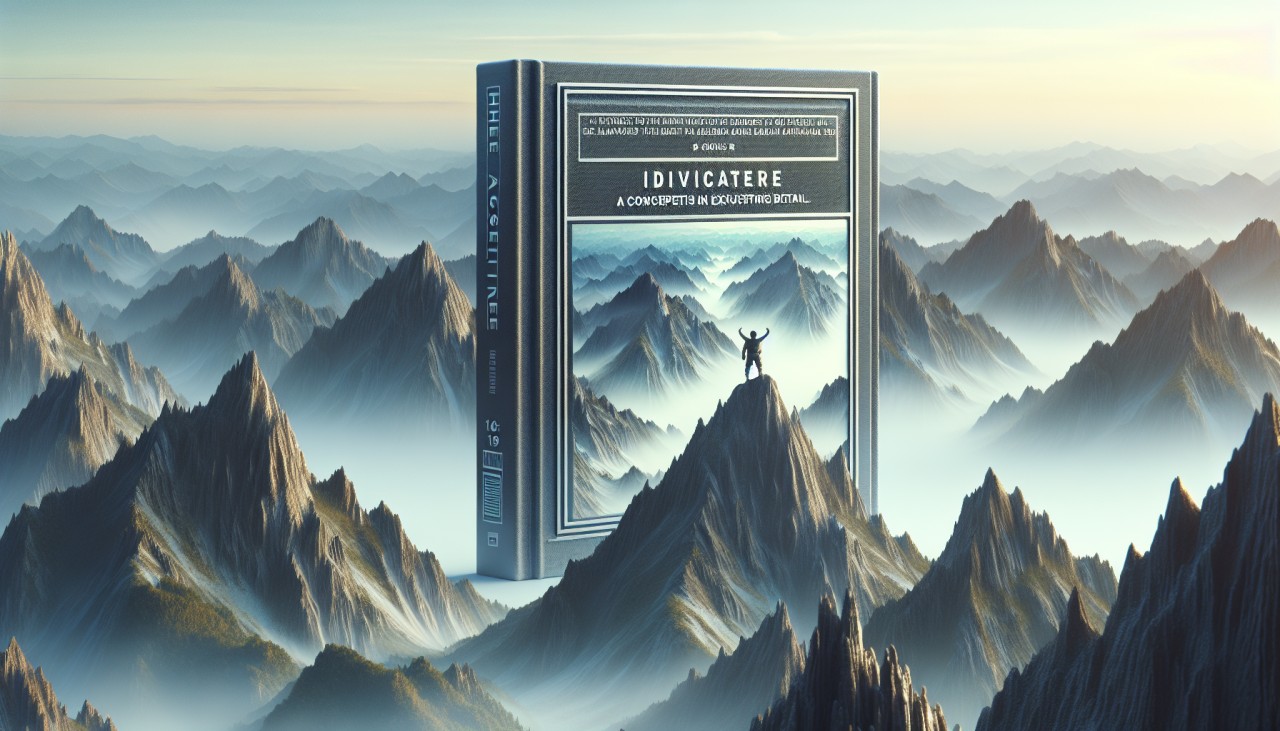
In "What Doesn't Kill Us," investigative journalist Scott Carney embarks on a compelling journey to uncover how embracing environmental stressors can tap into our body's latent evolutionary strength. The book delves into the science behind human adaptation to extreme conditions and offers practical insights for readers seeking to enhance their health and resilience. Carney's narrative is both informative and engaging, blending investigative reporting with personal anecdotes to illustrate the transformative power of environmental conditioning.
Carney's exploration begins with his encounter with Wim Hof, a Dutch fitness guru renowned for his ability to withstand extreme cold through specific breathing techniques and mental focus. Initially skeptical, Carney immerses himself in Hof's methods, which combine cold exposure, controlled breathing, and meditation. Through this process, Carney discovers that these practices can influence the autonomic nervous system, boost metabolism, and build endurance. The book highlights how such environmental conditioning can lead to significant health benefits, including improved immune function and increased energy levels.
The narrative also delves into the historical context of human adaptation, contrasting modern comforts with the challenges faced by our ancestors. Carney argues that our reliance on technology and climate-controlled environments has led to a disconnect from the natural world, resulting in diminished physical and mental resilience. By reintroducing controlled stressors like cold exposure and altitude training, individuals can stimulate their body's adaptive responses, leading to enhanced strength and vitality.
Throughout the book, Carney shares personal experiences and interviews with experts, including an Army scientist and a world-famous surfer, to provide a comprehensive understanding of environmental conditioning. These stories illustrate how ordinary people have achieved extraordinary health improvements by embracing discomfort and pushing their physical and mental boundaries. The book serves as both a guide and a source of inspiration for those looking to challenge themselves and unlock their full potential.
In the second part of the book, Carney chronicles his own transformational journey, culminating in a record-breaking 28-hour climb to the snowy peak of Mt. Kilimanjaro wearing nothing but a pair of running shorts and sneakers. This personal account underscores the profound impact of environmental conditioning on human performance and resilience. Carney's journey serves as a testament to the untapped potential within each individual and the transformative power of embracing discomfort.
Key Takeaways
- Embracing environmental stressors like cold exposure and altitude can tap into our body's evolutionary strength.
- Specific breathing techniques and mental focus can influence the autonomic nervous system, boosting metabolism and endurance.
- Modern comforts have led to a disconnect from the natural world, resulting in diminished physical and mental resilience.
- Controlled stressors can stimulate the body's adaptive responses, leading to enhanced strength and vitality.
- Personal experiences and expert interviews illustrate the transformative power of environmental conditioning.
- The book serves as both a guide and a source of inspiration for those looking to challenge themselves and unlock their full potential.
- Carney's personal journey underscores the profound impact of environmental conditioning on human performance and resilience.
- The narrative blends investigative reporting with personal anecdotes to illustrate the transformative power of environmental conditioning.
Example
To apply the principles discussed in "What Doesn't Kill Us" to your daily life, consider incorporating cold exposure into your routine. Start by taking cold showers for a few minutes each morning, gradually increasing the duration as your tolerance improves. This practice can stimulate your body's adaptive responses, leading to increased energy levels and improved immune function. Additionally, engaging in regular physical activities like hiking or cycling can expose your body to varying altitudes, further enhancing your resilience. Remember to consult with a healthcare professional before making significant changes to your exercise or wellness routine.