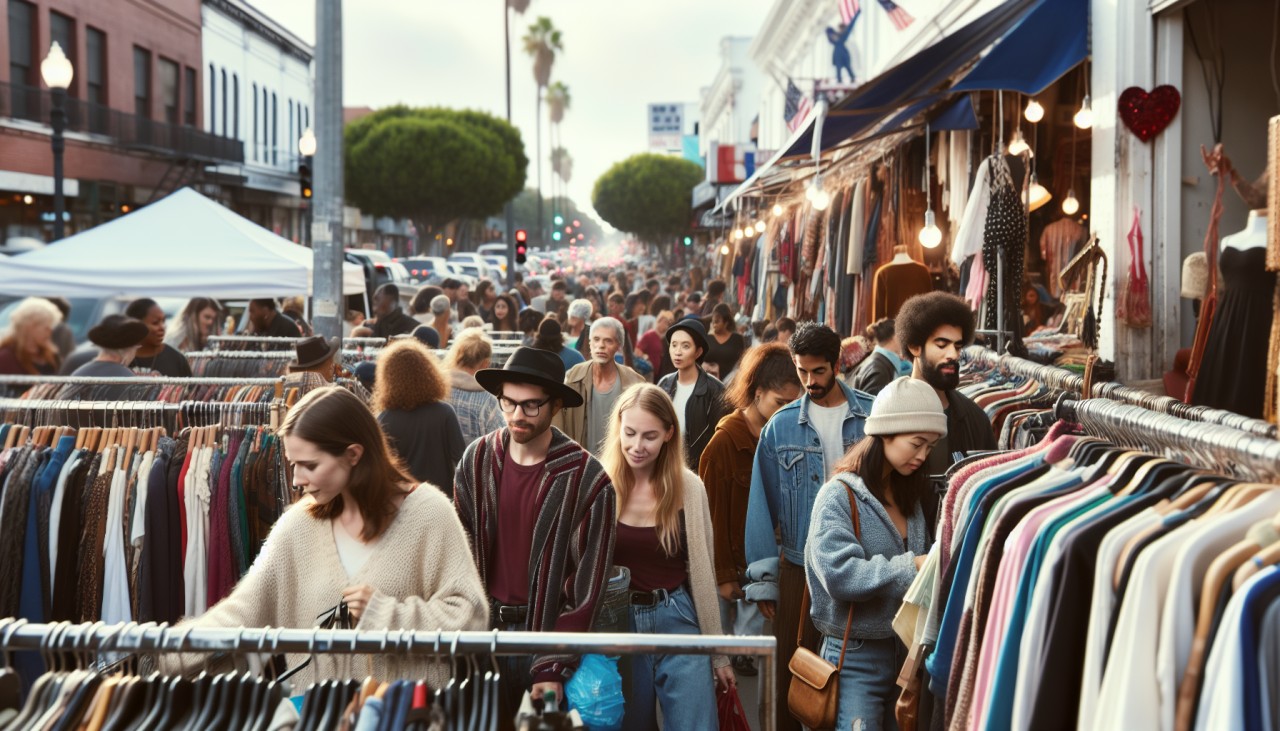
In recent years, secondhand shopping has transitioned from a fringe activity to a mainstream trend, reshaping consumer behavior and the retail landscape. This shift is driven by a confluence of economic pressures, environmental awareness, and technological innovations that have made purchasing pre-owned goods more accessible and appealing than ever before.
Economically, the rising costs of new products have prompted consumers to seek more affordable alternatives. The U.S. secondhand apparel market, for instance, has experienced significant growth, expanding from $28 billion in 2019 to $49 billion in 2024, with projections estimating it will reach $74 billion by 2029. This surge is not limited to clothing; the broader resale market, encompassing various product categories, is also witnessing substantial growth. In 2024, the global resale apparel market saw a 17.6% increase, totaling $204.7 billion in sales. This trend underscores a growing consumer preference for value-driven purchases, with many turning to secondhand options to maximize their spending power.
Environmental concerns have further accelerated the shift towards secondhand shopping. The fashion industry is notorious for its environmental impact, contributing significantly to pollution and waste. By opting for pre-owned items, consumers can reduce their carbon footprint and support sustainable practices. The concept of a circular economy, where products are reused and recycled, has gained traction, with secondhand shopping playing a pivotal role in this movement. Studies indicate that 66% of consumers have turned to the secondhand market to buy or discover brands for the first time, often because they can no longer afford new items. This reflects a broader societal shift towards sustainability and responsible consumption.
Technological advancements have also played a crucial role in popularizing secondhand shopping. The rise of digital resale platforms has made it easier for consumers to buy and sell pre-owned goods. Online marketplaces like ThredUp, The RealReal, and Poshmark have streamlined the process, offering user-friendly interfaces, secure payment systems, and reliable shipping options. These platforms have not only expanded the reach of secondhand shopping but have also enhanced the overall shopping experience, making it more convenient and trustworthy. The integration of artificial intelligence (AI) in these platforms has further improved the user experience. AI-driven features such as image search, style chat, and enhanced search capabilities have made it easier for shoppers to find specific items, receive personalized recommendations, and navigate vast inventories efficiently. This technological integration has bridged the gap between traditional retail and the secondhand market, offering a seamless shopping experience that appeals to a tech-savvy consumer base.
The normalization of secondhand shopping is also evident in the changing attitudes towards pre-owned goods. A report from OfferUp indicates that 93% of U.S. consumers purchased a pre-owned item in the past year, with over half (54%) also selling used items. This widespread participation signifies a cultural shift, where buying and selling secondhand goods is no longer viewed as a last resort but as a standard retail behavior. The stigma that once surrounded secondhand shopping has diminished, replaced by a recognition of its benefits, including affordability, uniqueness, and sustainability.
For those looking to incorporate secondhand shopping into their daily lives, several practical steps can be taken. First, familiarize yourself with local thrift stores, consignment shops, and flea markets. These venues often offer a curated selection of items, from clothing and accessories to home decor and furniture. Visiting these stores regularly can lead to unique finds and the thrill of discovery. Second, explore online resale platforms. Websites and apps dedicated to secondhand goods provide a vast array of products, often with detailed descriptions, photos, and user reviews. Setting up alerts for specific items or brands can help you stay informed about new listings. Third, consider hosting or attending local swap events. These gatherings allow individuals to exchange items directly, fostering a sense of community and reducing waste. Participating in such events can be both economical and environmentally friendly.
Incorporating secondhand shopping into your routine not only benefits your wallet but also contributes to a more sustainable and conscious consumer culture. By embracing this trend, you can enjoy the satisfaction of finding unique items while supporting environmental sustainability and economic resilience.
Key Takeaways
- The U.S. secondhand apparel market grew from $28 billion in 2019 to $49 billion in 2024, projected to reach $74 billion by 2029.
- The global resale apparel market saw a 17.6% increase in 2024, totaling $204.7 billion in sales.
- 66% of consumers have turned to the secondhand market to buy or discover brands for the first time, often due to affordability.
- 93% of U.S. consumers purchased a pre-owned item in the past year, with over half also selling used items.
- AI-driven features in resale platforms enhance user experience, making secondhand shopping more accessible and efficient.
Example
Consider Sarah, a young professional looking to refresh her wardrobe without overspending. She starts by visiting a local thrift store in her neighborhood, where she finds a vintage leather jacket that perfectly fits her style. The jacket is in excellent condition and priced significantly lower than a new one. Sarah also explores online platforms like ThredUp, where she discovers a pair of designer jeans at a fraction of the retail price. By incorporating these secondhand finds into her daily outfits, Sarah not only saves money but also contributes to sustainable fashion practices. She uses apps like Depop and Poshmark to sell items she no longer wears, keeping her wardrobe fresh and reducing waste. This approach allows Sarah to enjoy a diverse and stylish wardrobe while supporting the circular economy.