[Paragraph 1]
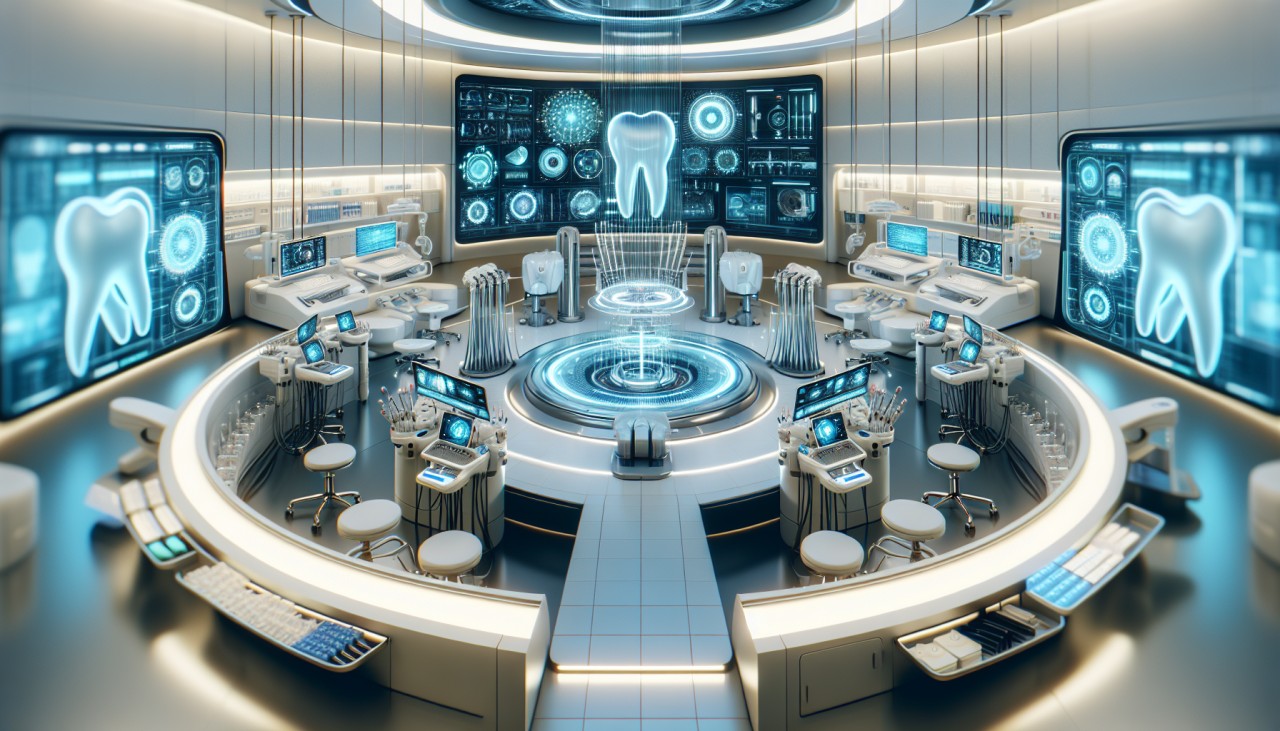
Dental health has undergone remarkable transformations in recent years, driven by technological innovations and a deeper understanding of oral biology. One of the most significant advancements is the integration of artificial intelligence (AI) into dental diagnostics. AI algorithms are now capable of analyzing panoramic radiographs with remarkable accuracy, identifying dental issues that might be overlooked by the human eye. A multinational study demonstrated that AI systems could assess dental findings from these radiographs, potentially revolutionizing the speed and precision of dental diagnoses. arxiv.org
Beyond diagnostics, AI is also enhancing patient care through personalized treatment plans. For instance, the development of Oralytics, a mobile health intervention system, utilizes reinforcement learning algorithms to determine optimal times for delivering intervention prompts, encouraging oral self-care behaviors among individuals at risk for dental disease. This approach aims to improve adherence to preventive measures, addressing challenges like forgetfulness and disengagement. arxiv.org
Another groundbreaking development in dental health is the potential for regenerating lost or damaged teeth. Researchers have been exploring the use of keratin extracted from sheep's wool to repair and protect tooth enamel. This natural protein can form a crystal-like coating on teeth, mimicking enamel and bonding with minerals in saliva to gradually build a protective layer against early tooth decay. This technique offers a sustainable and biodegradable alternative to traditional plastic-based dental resins, representing a promising advance in dental care. livescience.com
Additionally, a novel drug targeting a protein called USAG-1 has entered clinical trials in Japan, aiming to enable humans to regrow missing or damaged teeth. By blocking this protein, the treatment seeks to revive the human ability to grow a third set of teeth, a trait believed to have been present in early human development. Initial tests in mice were promising, and current trials focus on children aged 2 to 6 with anodontia, a rare hereditary condition affecting tooth development. While widespread application remains distant, these advancements mark significant progress in dental regenerative medicine. theweek.com
Despite these technological strides, challenges persist in ensuring equitable access to dental care. The National Institutes of Health (NIH) has been researching ways to harness the body's innate ability to repair and regenerate damaged tissues, including those in the mouth. These approaches aim to guide the prevention and treatment of health problems not only in teeth but also in other organs and tissues, potentially reducing the burden of dental diseases globally. nih.gov
Furthermore, the World Health Organization (WHO) reports that oral diseases affect nearly 3.7 billion people worldwide, making them the most common health condition globally. These diseases, while largely preventable, pose a major health burden, causing pain, discomfort, disfigurement, and even death. The WHO emphasizes the need for comprehensive strategies to address these issues, including promoting oral health education, improving access to dental care, and implementing preventive measures. who.int
[Paragraph 2]
In response to these challenges, innovative approaches are being developed to improve oral health outcomes, particularly in underserved communities. A study from the Harvard School of Dental Medicine found that expanding the dental workforce in Oral Health Professional Shortage Areas (HPSA) through the National Health Service Corps (NHSC) could reduce the risk of dental caries among children in these areas. The research suggests that increasing the number of dental practitioners in underserved communities would not only improve care but also reduce costs associated with dental diseases. prnewswire.com
Additionally, the use of text messaging programs targeting parents has shown promise in improving preventive dental behaviors among children. A randomized clinical trial published in JAMA Network Open demonstrated that parent-targeted oral health text messaging programs could enhance behaviors known to reduce caries risk, such as tooth brushing and engaging in preventive dental visits. This approach leverages the widespread use of text messaging to reach populations at high risk for dental caries, providing ongoing and tailored behavior change messages. bu.edu
The integration of dental therapists into nontraditional practice settings has also been identified as a significant workforce innovation. By providing care in settings such as day care centers, schools, nursing homes, and rural community centers, dental therapists can perform preventive and routine restorative procedures, thereby expanding access to safe, high-quality, and cost-effective care. This model has been effective in reaching underserved populations that do not have regular access to dentists, addressing disparities in oral health care. pew.org
Despite these advancements, the COVID-19 pandemic has had a lasting impact on dental care utilization. Research indicates that preventive dental services experienced significant decreases during the pandemic, with volumes remaining below pre-pandemic levels through the end of 2021. This decline raises concerns about the long-term effects on oral health, particularly among populations that already face barriers to accessing dental care. deltadental.com
In light of these challenges, the American Dental Association (ADA) continues to advocate for research that advances global health, oral health innovation, and the dental profession. Through initiatives like the ADA Forsyth Institute, the ADA supports research that aims to improve clinical decision-making, inform policy, and enhance oral health care performance measures. This commitment underscores the importance of ongoing research in addressing the evolving needs of dental health. ada.org
Key Takeaways
- AI integration in dental diagnostics enhances accuracy and efficiency.
- Regenerative treatments, like keratin-based coatings, offer sustainable alternatives to traditional dental resins.
- Expanding the dental workforce in underserved areas can reduce dental caries risk among children.
- Text messaging programs targeting parents improve preventive dental behaviors in children.
- The COVID-19 pandemic has led to a significant decrease in preventive dental services, affecting oral health outcomes.
Example
To incorporate these advancements into your daily routine, consider utilizing mobile health applications that offer personalized oral care reminders and educational content. For instance, apps like Oralytics provide timely prompts to encourage tooth brushing and preventive dental visits, leveraging reinforcement learning algorithms to optimize intervention timing. Additionally, staying informed about regenerative dental treatments can help you make proactive decisions regarding your oral health. Regular dental check-ups, even if they are virtual consultations, can also ensure that you are aware of the latest preventive measures and treatments available.