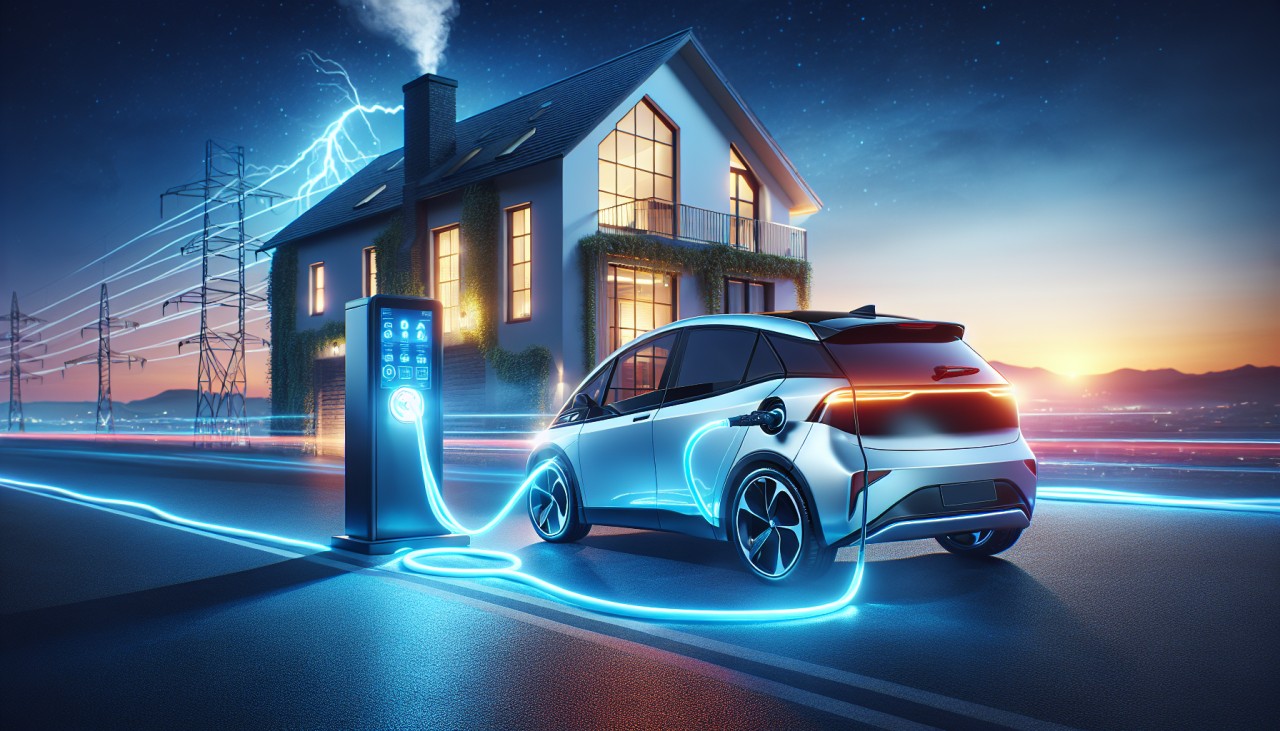
Bidirectional charging, also known as vehicle-to-grid (V2G) technology, is transforming the electric vehicle (EV) landscape by enabling two-way energy flow between vehicles and the power grid. This innovation allows EVs not only to draw power for charging but also to supply energy back to the grid or directly to homes, creating a dynamic and flexible energy ecosystem. The implications of bidirectional charging are profound, offering benefits such as enhanced grid stability, efficient energy storage, and potential cost savings for consumers.
The concept of bidirectional charging is rooted in the integration of electric vehicles with smart grid technologies. Traditional charging systems are unidirectional, meaning energy flows solely from the grid to the vehicle. In contrast, bidirectional charging systems facilitate a two-way exchange, allowing vehicles to discharge stored energy back to the grid or supply power to connected devices and homes. This capability is particularly advantageous during peak demand periods when the grid experiences high electricity consumption. By tapping into the aggregated energy storage of EVs, utilities can alleviate stress on the grid, reducing the need for additional power generation and enhancing overall system reliability.
One of the most compelling applications of bidirectional charging is its potential to support renewable energy integration. Renewable sources like solar and wind are intermittent, often generating excess energy during periods of low demand. Bidirectional charging systems can store this surplus energy in EV batteries and release it back to the grid when generation is low or demand is high, thereby balancing supply and demand. This process not only maximizes the utilization of renewable energy but also reduces reliance on fossil fuels, contributing to a more sustainable energy future.
From a consumer perspective, bidirectional charging offers several advantages. Homeowners can use their EVs as backup power sources during outages, ensuring continuity of essential services. Additionally, participating in V2G programs can provide financial incentives, as utilities may compensate EV owners for supplying energy back to the grid. This creates a new revenue stream and offsets the costs associated with EV ownership. Moreover, bidirectional charging can lead to more efficient energy consumption, as vehicles can be charged during off-peak hours when electricity rates are lower and supply energy during peak times when rates are higher.
The adoption of bidirectional charging is gaining momentum globally, with several automakers and technology companies leading the charge. Tesla's "Powershare" feature, introduced with the Cybertruck, exemplifies this trend. The Cybertruck is equipped with multiple power outlets, allowing users to power tools, appliances, and even other vehicles directly from the truck's battery. This feature not only showcases the versatility of bidirectional charging but also highlights its potential to serve as a mobile power source in various scenarios.
Similarly, General Motors (GM) has announced plans to integrate bidirectional charging capabilities into its Ultium platform, starting with the Chevrolet Silverado EV. This initiative aims to provide consumers with the ability to use their vehicles as energy sources, enhancing the value proposition of EV ownership. Other manufacturers, including Ford and Hyundai, are also exploring bidirectional charging solutions, indicating a growing industry-wide recognition of its benefits.
The infrastructure supporting bidirectional charging is evolving to accommodate this two-way energy flow. Charging stations are being developed with bidirectional capabilities, enabling seamless energy exchange between vehicles and the grid. These stations are equipped with advanced communication protocols to ensure safe and efficient energy transfer. Additionally, smart home systems are being integrated with bidirectional charging technology, allowing homeowners to monitor and control energy usage, optimize charging schedules, and participate in demand response programs.
Despite the promising prospects, several challenges remain in the widespread adoption of bidirectional charging. Standardization of communication protocols and charging interfaces is crucial to ensure interoperability among different vehicles, charging stations, and grid systems. Regulatory frameworks need to be established to govern the operation of bidirectional charging systems, addressing issues related to grid integration, compensation mechanisms, and safety standards. Furthermore, public awareness and education are essential to inform consumers about the benefits and functionalities of bidirectional charging, encouraging participation in V2G programs.
In conclusion, bidirectional charging represents a significant advancement in the evolution of electric vehicles and the broader energy landscape. By enabling two-way energy flow, it offers solutions to challenges such as grid stability, renewable energy integration, and energy storage. As technology continues to advance and adoption increases, bidirectional charging is poised to play a pivotal role in creating a more resilient, efficient, and sustainable energy system.
The integration of bidirectional charging into the energy ecosystem is not just a technological advancement but also a paradigm shift in how we perceive and utilize energy. Traditionally, vehicles have been seen solely as consumers of energy, but with bidirectional charging, they can also function as distributed energy resources. This transformation has the potential to democratize energy production and distribution, empowering individuals and communities to actively participate in energy management.
For instance, in regions prone to natural disasters or with unreliable power grids, bidirectional charging can provide a reliable backup power source. During emergencies, EVs can supply power to homes and critical infrastructure, reducing dependence on centralized power plants and enhancing community resilience. This capability is particularly valuable in rural or remote areas where access to the grid is limited or non-existent.
Moreover, bidirectional charging can facilitate the development of microgrids—localized networks that can operate independently or in conjunction with the main grid. Microgrids can integrate various energy sources, including renewables, and utilize EVs as mobile energy storage units. This setup allows for localized energy generation, storage, and distribution, reducing transmission losses and increasing energy security.
The economic implications of bidirectional charging are also noteworthy. By participating in V2G programs, consumers can earn compensation for supplying energy back to the grid, offsetting the costs of EV ownership and potentially generating additional income. Utilities benefit from a more flexible and responsive grid, reducing the need for peaker plants and enhancing operational efficiency. This symbiotic relationship between consumers and utilities fosters a more collaborative approach to energy management.
However, the successful implementation of bidirectional charging requires overcoming several technical and regulatory hurdles. Ensuring the safety and reliability of two-way energy flow is paramount, necessitating the development of robust standards and protocols. Additionally, addressing concerns related to battery degradation due to frequent charge and discharge cycles is essential to maintain the longevity and performance of EV batteries.
In terms of policy, governments play a crucial role in facilitating the adoption of bidirectional charging. Incentives such as tax credits, rebates, and grants can encourage consumers and businesses to invest in bidirectional charging infrastructure. Establishing clear regulations and standards provides a framework for safe and efficient operation, fostering consumer confidence and industry growth.
In summary, bidirectional charging is at the forefront of the transition to a more sustainable and resilient energy system. By enabling vehicles to serve as both consumers and suppliers of energy, it offers innovative solutions to longstanding challenges in energy distribution, storage, and consumption. As technology advances and adoption increases, bidirectional charging is set to become a cornerstone of the future energy landscape, driving us toward a more integrated and sustainable energy future.
Key Takeaways
- Bidirectional charging enables two-way energy flow between electric vehicles and the grid, enhancing grid stability and supporting renewable energy integration.
- Automakers like Tesla, General Motors, and Ford are integrating bidirectional charging capabilities into their vehicles, offering consumers new energy management options.
- The adoption of bidirectional charging faces challenges such as standardization, regulatory frameworks, and public awareness, which need to be addressed for widespread implementation.