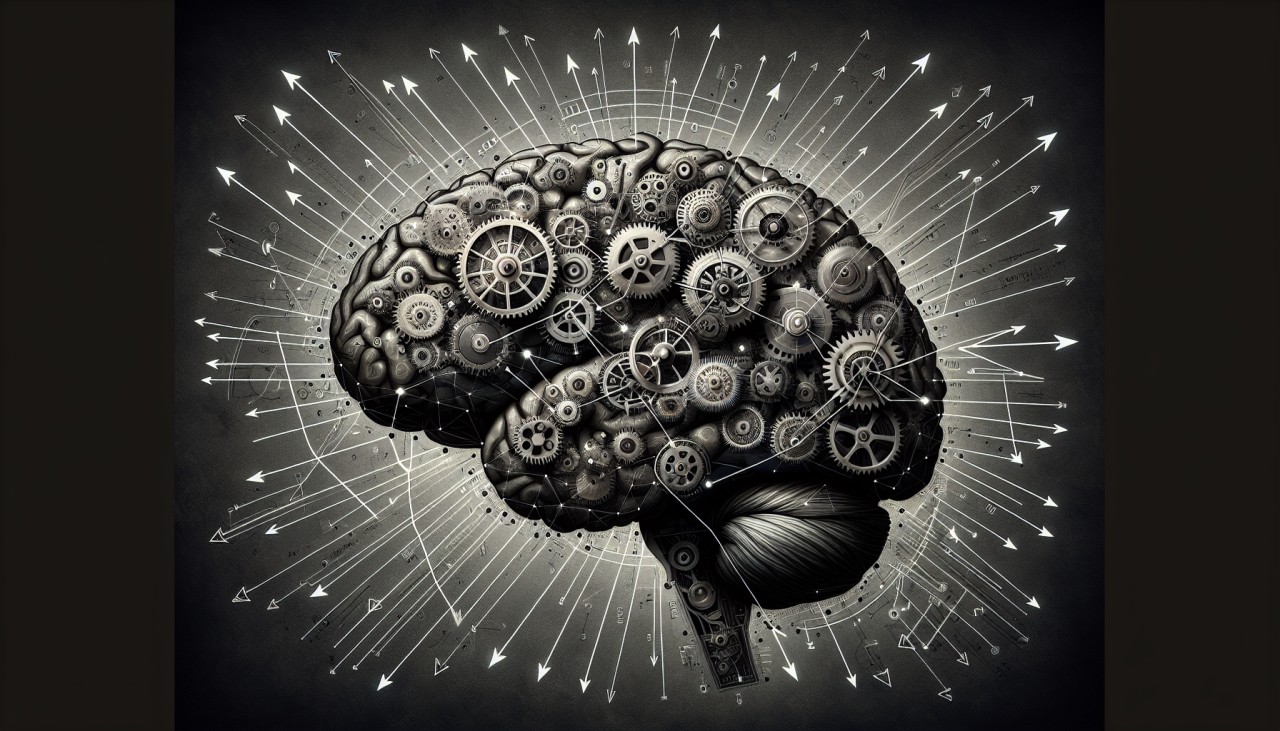
Cognitive biases are systematic patterns of deviation from rationality in judgment, whereby inferences about other people and situations may be drawn in an illogical fashion. These biases are the mental shortcuts our brains use to process information quickly, but they can often lead us astray. Understanding these biases is crucial, as they influence our daily decisions, perceptions, and interactions.
One of the most prevalent cognitive biases is the anchoring bias. This occurs when individuals rely too heavily on the first piece of information they encounter (the "anchor") when making decisions. For instance, if you're shopping for a new laptop and the first one you see is priced at $1,500, you might perceive a $1,000 laptop as a bargain, even if it's still more than you intended to spend. This bias can significantly impact consumer behavior, as marketers often set high initial prices to make subsequent discounts appear more attractive. Understanding anchoring bias can help consumers make more informed purchasing decisions by recognizing when they're being influenced by initial price points.
Another common bias is the confirmation bias, which involves favoring information that confirms one's preexisting beliefs or hypotheses. This bias can lead to skewed interpretations of information and reinforce misconceptions. For example, if someone believes that a particular diet is effective, they might only seek out success stories and ignore evidence of its ineffectiveness. Being aware of confirmation bias encourages individuals to seek out diverse perspectives and critically evaluate information, leading to more balanced and objective decision-making.
The availability heuristic is a mental shortcut that relies on immediate examples that come to a person's mind when evaluating a specific topic, concept, method, or decision. If something can be recalled easily, it is often believed to be more common or more likely. For instance, after hearing about airplane accidents in the news, a person might overestimate the dangers of flying, despite statistical evidence showing it's one of the safest modes of transportation. Recognizing this bias can help individuals assess risks more accurately and make decisions based on comprehensive data rather than anecdotal evidence.
The bandwagon effect is a psychological phenomenon where people tend to align their beliefs and behaviors with those of a group, often adopting popular opinions or trends without critical evaluation. This bias is prevalent in social media, where viral content can rapidly influence public opinion and behavior. Being aware of the bandwagon effect can help individuals make more independent choices and resist peer pressure, leading to decisions that align more closely with their personal values and goals.
Overconfidence bias occurs when individuals overestimate their own abilities, knowledge, or the accuracy of their information. This can lead to risky decisions and a lack of preparedness. For example, an investor might believe they can predict market movements and make high-risk investments without proper research. Recognizing overconfidence bias encourages individuals to seek out additional information, consult experts, and consider alternative viewpoints, leading to more prudent and well-informed decisions.
Understanding these cognitive biases is the first step toward mitigating their impact. By being aware of how these biases influence our thinking, we can develop strategies to counteract them. One effective approach is to actively seek out information that challenges our existing beliefs and to engage in critical thinking. This involves questioning assumptions, considering alternative perspectives, and evaluating evidence objectively. Additionally, setting clear goals and criteria for decision-making can help reduce the influence of biases by providing a structured framework for evaluating options. Practicing mindfulness and self-reflection can also enhance awareness of our thought processes, allowing us to recognize when biases are at play and take steps to address them.
Incorporating these strategies into daily life can lead to more rational and objective decision-making, improving personal and professional outcomes. For instance, when making a significant purchase, take the time to research multiple options, compare features and prices, and consider long-term value rather than being swayed by initial impressions or marketing tactics. In the workplace, fostering a culture that encourages diverse viewpoints and critical discussion can help counteract groupthink and lead to more innovative solutions. By understanding and addressing cognitive biases, individuals can enhance their decision-making processes, leading to more informed choices and better overall well-being.
In conclusion, cognitive biases are inherent in human cognition and influence our perceptions and decisions in profound ways. By recognizing these biases and actively working to mitigate their effects, we can make more informed, objective, and rational decisions. This awareness not only improves individual outcomes but also contributes to more effective communication, collaboration, and problem-solving in various aspects of life.
Cognitive biases are systematic patterns of deviation from rationality in judgment, whereby inferences about other people and situations may be drawn in an illogical fashion. These biases are the mental shortcuts our brains use to process information quickly, but they can often lead us astray. Understanding these biases is crucial, as they influence our daily decisions, perceptions, and interactions.
One of the most prevalent cognitive biases is the anchoring bias. This occurs when individuals rely too heavily on the first piece of information they encounter (the "anchor") when making decisions. For instance, if you're shopping for a new laptop and the first one you see is priced at $1,500, you might perceive a $1,000 laptop as a bargain, even if it's still more than you intended to spend. This bias can significantly impact consumer behavior, as marketers often set high initial prices to make subsequent discounts appear more attractive. Understanding anchoring bias can help consumers make more informed purchasing decisions by recognizing when they're being influenced by initial price points.
Another common bias is the confirmation bias, which involves favoring information that confirms one's preexisting beliefs or hypotheses. This bias can lead to skewed interpretations of information and reinforce misconceptions. For example, if someone believes that a particular diet is effective, they might only seek out success stories and ignore evidence of its ineffectiveness. Being aware of confirmation bias encourages individuals to seek out diverse perspectives and critically evaluate information, leading to more balanced and objective decision-making.
The availability heuristic is a mental shortcut that relies on immediate examples that come to a person's mind when evaluating a specific topic, concept, method, or decision. If something can be recalled easily, it is often believed to be more common or more likely. For instance, after hearing about airplane accidents in the news, a person might overestimate the dangers of flying, despite statistical evidence showing it's one of the safest modes of transportation. Recognizing this bias can help individuals assess risks more accurately and make decisions based on comprehensive data rather than anecdotal evidence.
The bandwagon effect is a psychological phenomenon where people tend to align their beliefs and behaviors with those of a group, often adopting popular opinions or trends without critical evaluation. This bias is prevalent in social media, where viral content can rapidly influence public opinion and behavior. Being aware of the bandwagon effect can help individuals make more independent choices and resist peer pressure, leading to decisions that align more closely with their personal values and goals.
Overconfidence bias occurs when individuals overestimate their own abilities, knowledge, or the accuracy of their information. This can lead to risky decisions and a lack of preparedness. For example, an investor might believe they can predict market movements and make high-risk investments without proper research. Recognizing overconfidence bias encourages individuals to seek out additional information, consult experts, and consider alternative viewpoints, leading to more prudent and well-informed decisions.
Understanding these cognitive biases is the first step toward mitigating their impact. By being aware of how these biases influence our thinking, we can develop strategies to counteract them. One effective approach is to actively seek out information that challenges our existing beliefs and to engage in critical thinking. This involves questioning assumptions, considering alternative perspectives, and evaluating evidence objectively.
Key Takeaways
- Cognitive biases are systematic patterns of deviation from rationality in judgment.
- Common biases include anchoring, confirmation, availability heuristic, bandwagon effect, and overconfidence.
- Being aware of these biases can lead to more informed and objective decision-making.
- Strategies to mitigate biases include seeking diverse perspectives, engaging in critical thinking, and practicing mindfulness.
- Addressing cognitive biases can improve personal and professional outcomes.
Example
Consider the case of an investor who has consistently invested in technology stocks due to a belief in their high growth potential. This individual may be exhibiting confirmation bias by selectively seeking information that supports this belief and ignoring data that suggests diversification could reduce risk. By recognizing this bias, the investor can make a more balanced decision by considering a broader range of investment options and consulting with a financial advisor to develop a diversified portfolio.