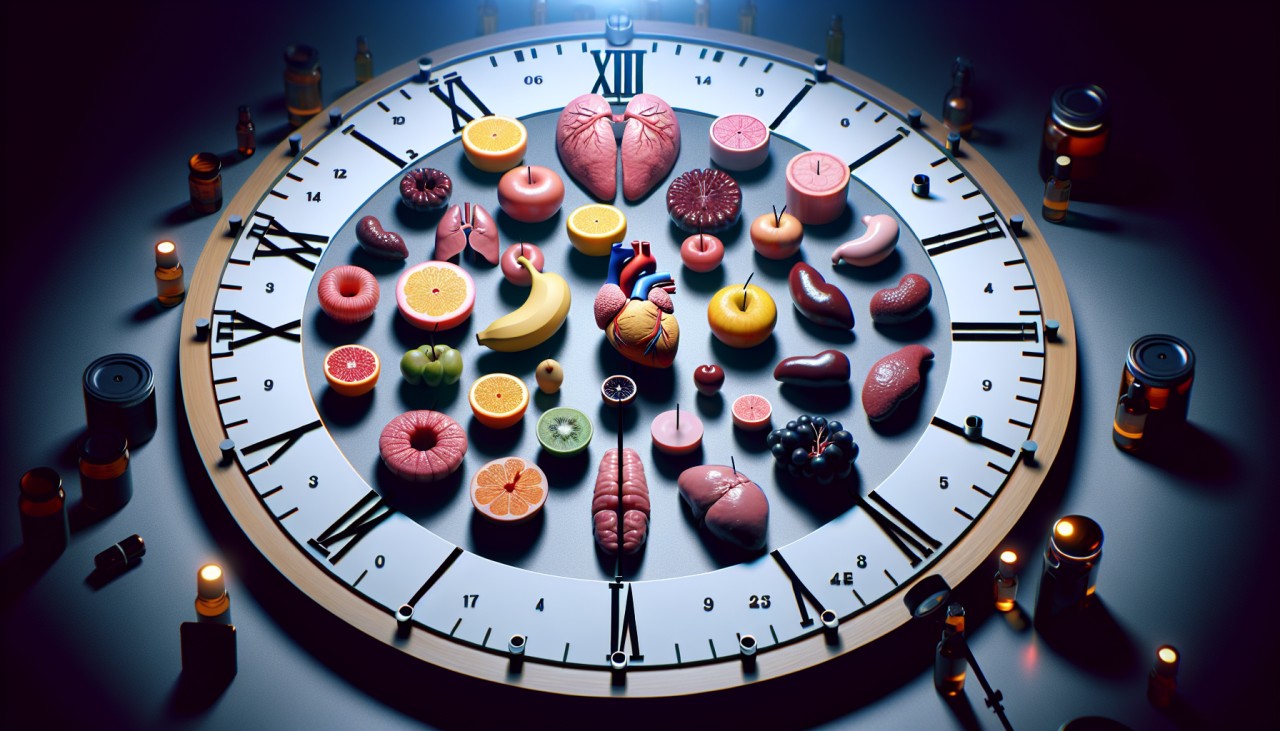
In the realm of Traditional Chinese Medicine (TCM), the human body is viewed as an intricate network of energy pathways, or meridians, through which vital life force, known as Qi, flows. This continuous flow is believed to sustain health and vitality. A cornerstone of TCM is the Organ Clock Theory, which posits that each of the body's 12 primary organs operates at its peak efficiency during specific two-hour intervals within a 24-hour cycle. Understanding this rhythm offers profound insights into optimizing daily routines for enhanced well-being.
The Organ Clock begins its cycle at 5 a.m. with the Large Intestine, a time traditionally associated with elimination and detoxification. This period is considered ideal for waking up and hydrating, as the body is naturally inclined to expel waste and prepare for the day ahead. Following this, from 7 a.m. to 9 a.m., the Stomach takes precedence, aligning with the body's readiness for nourishment. Consuming a warm, hearty breakfast during this window is believed to support optimal digestion and energy absorption.
As the day progresses, the Spleen and Pancreas dominate from 9 a.m. to 11 a.m., periods linked to mental clarity and focus. Engaging in tasks that require concentration and cognitive effort during this time can be particularly beneficial. From 11 a.m. to 1 p.m., the Heart is most active, a time associated with emotional balance and social interactions. This period is considered favorable for connecting with others and engaging in activities that bring joy and fulfillment.
The afternoon sees the dominance of the Small Intestine from 1 p.m. to 3 p.m., a time linked to nutrient absorption and energy distribution. Engaging in light physical activity or taking a short walk can aid digestion and prevent sluggishness. From 3 p.m. to 5 p.m., the Bladder takes precedence, a period associated with the body's natural inclination to eliminate excess fluids. Staying hydrated and allowing time for regular bathroom breaks supports this function.
The Kidneys, considered the source of vitality in TCM, are most active from 5 p.m. to 7 p.m., a time linked to the body's preparation for rest. This period is ideal for consuming a light, nutritious dinner and beginning to wind down activities. From 7 p.m. to 9 p.m., the Pericardium, which protects the Heart, is prominent, a time associated with relaxation and unwinding. Engaging in calming activities such as reading, meditation, or gentle stretching can be particularly restorative.
The Triple Burner, a concept in TCM that regulates the body's internal environment, is active from 9 p.m. to 11 p.m., a time linked to the body's preparation for deep sleep. This period is considered optimal for engaging in activities that promote relaxation and prepare the body for rest. From 11 p.m. to 1 a.m., the Gall Bladder is most active, a time associated with the body's detoxification processes. Ensuring a restful sleep during this window supports the body's natural cleansing mechanisms.
The Liver, responsible for the smooth flow of Qi and detoxification, is most active from 1 a.m. to 3 a.m., a time linked to the body's deep restorative processes. Experiencing disturbances during this period, such as waking up or feeling restless, may indicate imbalances in the Liver system. Finally, from 3 a.m. to 5 a.m., the Lungs are prominent, a time associated with the body's respiratory and immune functions. Ensuring a clean and well-ventilated sleeping environment supports optimal lung health during this period.
Integrating the principles of the Organ Clock into daily life involves aligning activities with the body's natural rhythms. For instance, scheduling demanding tasks during the Spleen and Pancreas' peak hours can enhance productivity, while prioritizing relaxation during the Pericardium's active period can improve sleep quality. Additionally, paying attention to the body's signals during specific times can provide insights into potential imbalances. For example, consistent waking between 1 a.m. and 3 a.m. may suggest Liver Qi stagnation, prompting dietary adjustments or stress management techniques.
While the Organ Clock Theory offers a framework for understanding the body's energy cycles, it's essential to consider individual differences and modern scientific perspectives. Contemporary research acknowledges the existence of circadian rhythms—biological processes that follow a 24-hour cycle and influence various physiological functions, including sleep-wake patterns, hormone release, and metabolism. Disruptions to these rhythms, such as those experienced by shift workers, have been linked to increased susceptibility to metabolic disorders like type 2 diabetes and cardiovascular diseases. pubmed.ncbi.nlm.nih.gov
Incorporating practices that support circadian health, such as maintaining consistent sleep schedules, exposure to natural light during the day, and minimizing artificial light exposure at night, can complement the insights provided by the Organ Clock Theory. Tools like wearable devices that monitor sleep patterns and activity levels can assist individuals in aligning their routines with their biological rhythms. By combining ancient wisdom with modern science, individuals can develop personalized strategies to enhance health and well-being.
Key Takeaways
- The Organ Clock Theory in TCM outlines a 24-hour cycle where each organ has a two-hour peak period of activity.
- Aligning daily activities with these peak times can optimize health and energy levels.
- Modern research supports the existence of circadian rhythms influencing various physiological functions.
- Disruptions to circadian rhythms are linked to increased health risks, emphasizing the importance of maintaining regular routines.
- Combining TCM principles with contemporary practices can lead to a holistic approach to well-being.
Example
Consider an individual who consistently wakes up between 1 a.m. and 3 a.m., experiencing restlessness and difficulty returning to sleep. According to the Organ Clock Theory, this time corresponds to the Liver's peak activity, associated with detoxification and emotional processing. The persistent waking may indicate Liver Qi stagnation, potentially due to stress or dietary factors. To address this, the individual might incorporate stress-reducing activities such as meditation or gentle exercise into their daily routine, particularly during the Liver's active period. Additionally, adjusting the diet to include more green leafy vegetables and reducing alcohol intake can support Liver health. By aligning lifestyle choices with the body's natural rhythms, the individual may experience improved sleep quality and overall well-being.