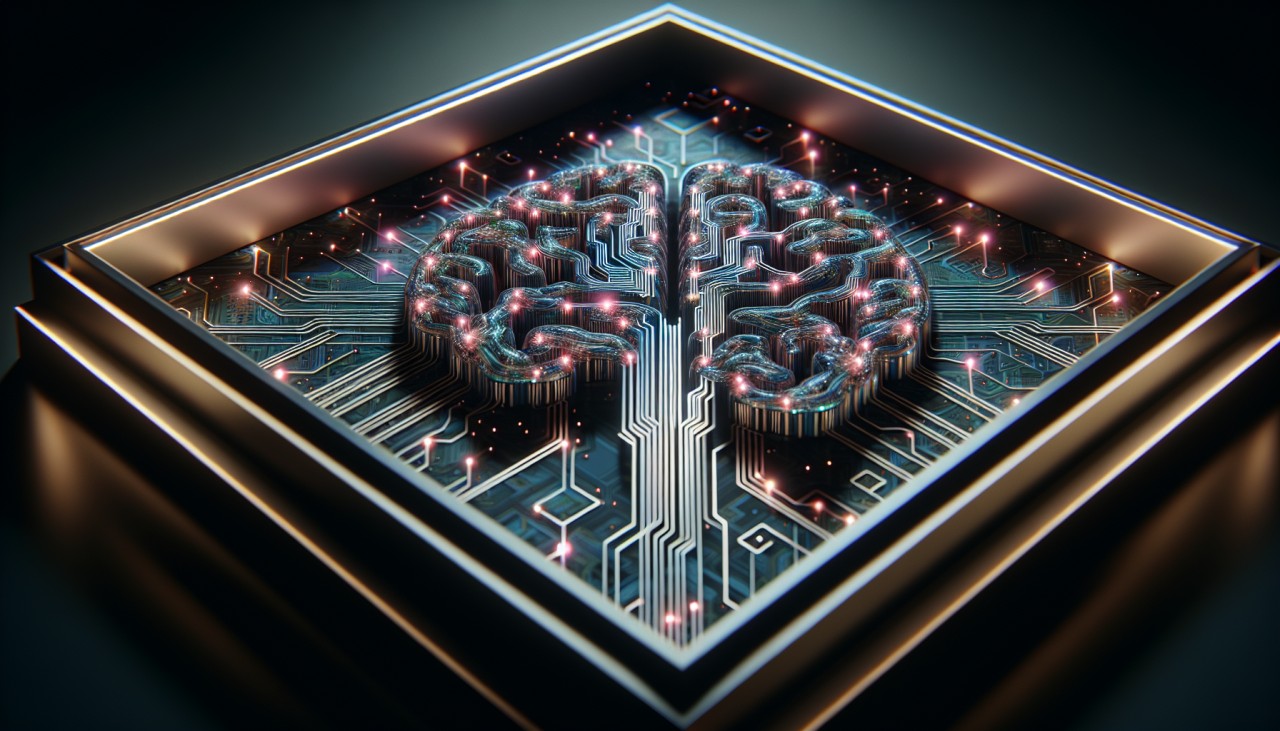
Neuromorphic computing, a term coined by Carver Mead in the late 1980s, refers to the design of electronic circuits that mimic the neural structure and functioning of the human brain. This innovative approach aims to create systems capable of processing information in a manner similar to biological neural networks, offering significant advantages in terms of energy efficiency, adaptability, and real-time processing capabilities. Unlike traditional computing architectures, which rely on sequential processing and centralized control, neuromorphic systems operate in a parallel, distributed fashion, closely resembling the brain's architecture. This parallelism enables them to handle complex, unstructured data more effectively, making them particularly well-suited for tasks such as pattern recognition, sensory processing, and autonomous decision-making.
The evolution of neuromorphic computing has been marked by several key milestones. In the late 1980s, Carver Mead introduced the concept, laying the foundation for future developments. Over the years, various research institutions and companies have made significant strides in this field. For instance, the University of Manchester developed the SpiNNaker supercomputer, a massively parallel system designed to simulate the human brain's neural networks. Similarly, IBM's SyNAPSE project aimed to create cognitive computing systems with architectures similar to the mammalian brain. These initiatives have paved the way for more advanced neuromorphic systems capable of handling increasingly complex tasks.
In recent years, the field has witnessed rapid advancements, particularly in hardware development. Companies like Intel and IBM have been at the forefront of this progress. Intel's Loihi 2 chip, launched in 2023, features up to 1 million neurons and over 5 billion transistors, making it more efficient for AI applications in robotics and computer vision. This technological leap is expected to increase the deployment of neuromorphic computing in industrial automation and healthcare. Similarly, IBM's NorthPole device, unveiled in October 2023, is a digital neuromorphic inference accelerator that allows memory-compute convergence for image recognition applications while using around 25% less energy than GPUs. These developments signify a growing commitment to integrating neuromorphic computing into practical applications.
The market for neuromorphic computing is experiencing substantial growth. According to a report by Grand View Research, the global neuromorphic computing market size was estimated at USD 5,277.2 million in 2023 and is projected to reach USD 20,272.3 million by 2030, growing at a compound annual growth rate (CAGR) of 19.9% from 2024 to 2030. This growth is driven by the increasing use of neuromorphic technology in deep learning applications, transistors, accelerators, next-generation semiconductors, and autonomous systems, such as robotics, drones, self-driving cars, and artificial intelligence. The automotive industry, in particular, has shown significant interest in neuromorphic chips due to their ability to develop AI algorithms for high throughput with low power demands. For instance, in December 2020, Mercedes-Benz AG collaborated with the Intel Neuromorphic Research Community to investigate how neuromorphic chips could improve energy efficiency, speed, and accuracy for vehicle-related AI applications.
The applications of neuromorphic computing are vast and continue to expand. In the realm of artificial intelligence, neuromorphic systems are being utilized to enhance machine learning models, enabling them to process information more efficiently and adapt to new data in real-time. This capability is particularly beneficial in applications such as autonomous vehicles, where rapid decision-making is crucial. Additionally, neuromorphic computing is being explored for its potential in edge computing, where processing data closer to the source can reduce latency and bandwidth usage. This is particularly important in the Internet of Things (IoT) devices, which generate large amounts of data that need to be processed quickly and efficiently.
Looking ahead, the future of neuromorphic computing appears promising. As research and development continue, we can expect to see more sophisticated and capable neuromorphic systems. The integration of neuromorphic computing with other emerging technologies, such as quantum computing, could lead to even more powerful and efficient computing systems. Moreover, the increasing demand for energy-efficient computing solutions, driven by the proliferation of AI and IoT devices, is likely to accelerate the adoption of neuromorphic computing. However, challenges remain, including the need for standardized architectures, improved fabrication techniques, and a deeper understanding of the brain's complex neural networks. Addressing these challenges will be crucial for realizing the full potential of neuromorphic computing.
In conclusion, neuromorphic computing represents a paradigm shift in the way we approach computing, drawing inspiration from the human brain to create systems that are more efficient, adaptable, and capable of handling complex tasks. The progress made in this field over the past few decades underscores its potential to revolutionize various industries, from automotive to healthcare. As research and development continue, we can anticipate even more groundbreaking advancements that will further integrate neuromorphic computing into our daily lives.
Key Takeaways
- Neuromorphic computing emulates the human brain's structure for efficient information processing.
- Recent advancements include Intel's Loihi 2 chip and IBM's NorthPole device, enhancing AI applications.
- The global neuromorphic computing market is projected to reach USD 20.27 billion by 2030, growing at a CAGR of 19.9%.
- Applications span AI, edge computing, and autonomous systems, with significant interest from the automotive industry.
- Future developments may integrate neuromorphic computing with quantum technologies, offering more powerful solutions.