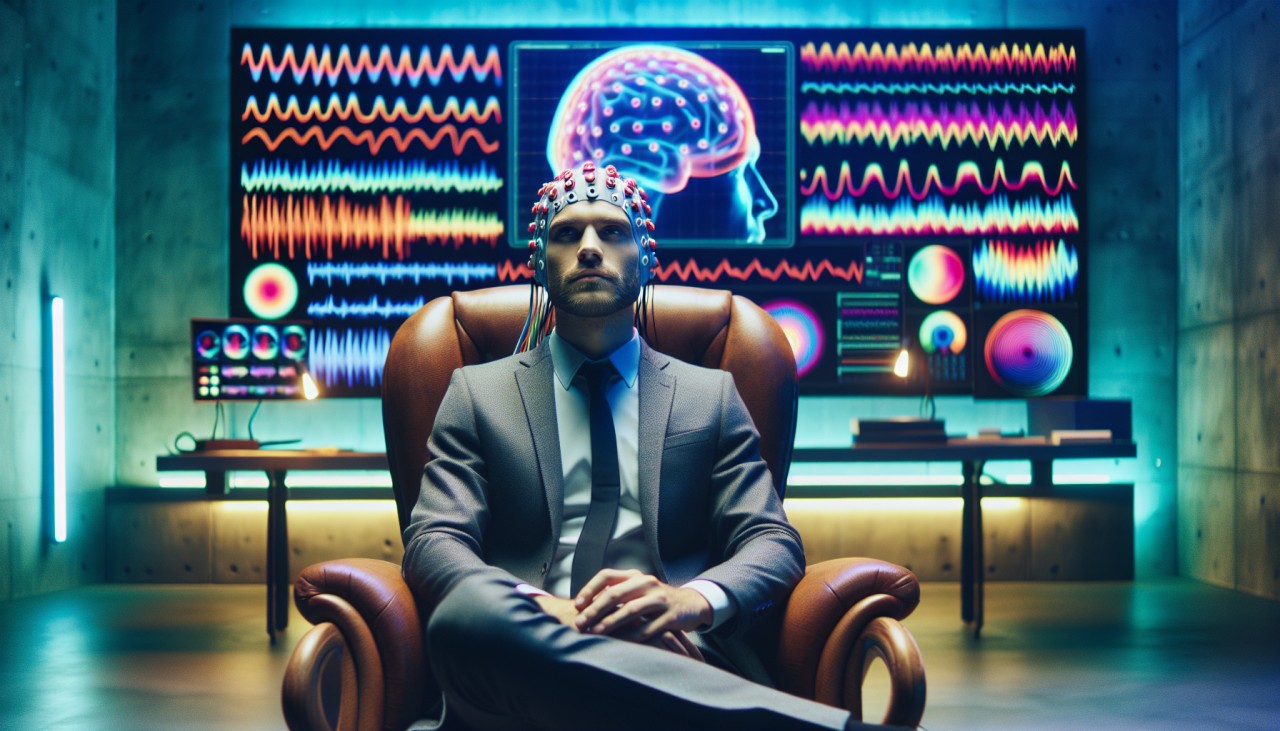
Neurofeedback, also known as EEG biofeedback, is a technique that trains individuals to regulate their brain activity by providing real-time feedback on their brainwave patterns. This process aims to enhance cognitive functions, improve emotional regulation, and address various mental health conditions. Over the past few decades, neurofeedback has gained popularity as a non-invasive alternative to traditional treatments, such as medication and psychotherapy. The underlying principle of neurofeedback is based on operant conditioning, where individuals learn to modify their brain activity to achieve desired outcomes. By observing their brainwave patterns on a screen, individuals can consciously influence their brain activity, leading to improvements in attention, memory, and emotional regulation. The technique has been applied to a wide range of conditions, including attention-deficit/hyperactivity disorder (ADHD), anxiety, depression, and post-traumatic stress disorder (PTSD). Recent studies have provided new insights into the effectiveness and mechanisms of neurofeedback, prompting a reevaluation of its applications. For instance, a comprehensive meta-analysis published in 2024 examined 22 studies investigating the effects of neurofeedback on depression symptoms, neurophysiological outcomes, and neuropsychological function. The analysis found that neurofeedback interventions had a significant impact on depressive symptoms and neurophysiological outcomes, suggesting that neurofeedback holds promise as a non-pharmacological intervention for major depressive disorders. However, the study also highlighted the need for further research to establish standardized protocols and identify the most effective neurofeedback parameters for treating depression. In contrast, a systematic review and meta-analysis published in 2024 found little evidence that neurofeedback treatment is beneficial for people with ADHD. The review included 38 randomized controlled trials and concluded that neurofeedback offers minimal improvements for ADHD symptoms, suggesting that its effectiveness for this condition remains uncertain. These contrasting findings underscore the importance of critically evaluating the existing literature and considering the methodological quality of studies when assessing the efficacy of neurofeedback. One of the challenges in neurofeedback research is the variability in outcomes and the poorly understood mechanisms underlying its effects. To address these issues, researchers have proposed computational models to better understand the dynamics of neurofeedback training. For example, a study published in 2025 introduced an Active Inference perspective on neurofeedback training, using a Bayesian framework to simulate agents interacting with an NFT environment. The simulations revealed that training effectiveness is sensitive to feedback noise or bias and to prior beliefs, highlighting the importance of guiding instructions and the quality of feedback in neurofeedback protocols. This approach provides a tool for assessing and predicting NFT variability, interpreting empirical data, and potentially developing personalized training protocols. Another area of interest is the integration of neurofeedback with other neuroimaging techniques, such as functional magnetic resonance imaging (fMRI), to enhance the precision and effectiveness of brain modulation. A study published in 2022 employed connectivity-based EEG neurofeedback with simultaneous fMRI to upregulate positive emotions. The results showed that this approach effectively improved brain activity in key emotion regulation regions, such as the amygdala, thalamus, and insula, and increased EEG frontal asymmetry, a biomarker for emotion regulation. These findings suggest that combining neurofeedback with fMRI can provide more targeted and effective interventions for emotional regulation and mental health disorders. Despite the promising applications of neurofeedback, it is essential to approach its use with caution. The effectiveness of neurofeedback can vary depending on individual differences, the specific condition being treated, and the quality of the neurofeedback protocol. Moreover, the placebo effect may play a significant role in treatment outcomes, as individuals may experience improvements simply due to their expectations of the intervention. Therefore, it is crucial to critically evaluate the existing literature, consider the methodological quality of studies, and consult with qualified healthcare professionals before pursuing neurofeedback as a treatment option. In summary, neurofeedback offers a non-invasive approach to modulating brain activity, with potential applications in enhancing cognitive functions and treating various mental health conditions. Recent studies have provided valuable insights into its effectiveness and mechanisms, highlighting both its promise and the need for further research to establish standardized protocols and identify the most effective parameters for different conditions. As the field continues to evolve, it is essential to maintain a critical perspective and prioritize evidence-based practices to ensure the safe and effective use of neurofeedback.
Neurofeedback, also known as EEG biofeedback, is a technique that trains individuals to regulate their brain activity by providing real-time feedback on their brainwave patterns. This process aims to enhance cognitive functions, improve emotional regulation, and address various mental health conditions. Over the past few decades, neurofeedback has gained popularity as a non-invasive alternative to traditional treatments, such as medication and psychotherapy. The underlying principle of neurofeedback is based on operant conditioning, where individuals learn to modify their brain activity to achieve desired outcomes. By observing their brainwave patterns on a screen, individuals can consciously influence their brain activity, leading to improvements in attention, memory, and emotional regulation. The technique has been applied to a wide range of conditions, including attention-deficit/hyperactivity disorder (ADHD), anxiety, depression, and post-traumatic stress disorder (PTSD). Recent studies have provided new insights into the effectiveness and mechanisms of neurofeedback, prompting a reevaluation of its applications. For instance, a comprehensive meta-analysis published in 2024 examined 22 studies investigating the effects of neurofeedback on depression symptoms, neurophysiological outcomes, and neuropsychological function. The analysis found that neurofeedback interventions had a significant impact on depressive symptoms and neurophysiological outcomes, suggesting that neurofeedback holds promise as a non-pharmacological intervention for major depressive disorders. However, the study also highlighted the need for further research to establish standardized protocols and identify the most effective neurofeedback parameters for treating depression. In contrast, a systematic review and meta-analysis published in 2024 found little evidence that neurofeedback treatment is beneficial for people with ADHD. The review included 38 randomized controlled trials and concluded that neurofeedback offers minimal improvements for ADHD symptoms, suggesting that its effectiveness for this condition remains uncertain. These contrasting findings underscore the importance of critically evaluating the existing literature and considering the methodological quality of studies when assessing the efficacy of neurofeedback. One of the challenges in neurofeedback research is the variability in outcomes and the poorly understood mechanisms underlying its effects. To address these issues, researchers have proposed computational models to better understand the dynamics of neurofeedback training. For example, a study published in 2025 introduced an Active Inference perspective on neurofeedback training, using a Bayesian framework to simulate agents interacting with an NFT environment. The simulations revealed that training effectiveness is sensitive to feedback noise or bias and to prior beliefs, highlighting the importance of guiding instructions and the quality of feedback in neurofeedback protocols. This approach provides a tool for assessing and predicting NFT variability, interpreting empirical data, and potentially developing personalized training protocols. Another area of interest is the integration of neurofeedback with other neuroimaging techniques, such as functional magnetic resonance imaging (fMRI), to enhance the precision and effectiveness of brain modulation. A study published in 2022 employed connectivity-based EEG neurofeedback with simultaneous fMRI to upregulate positive emotions. The results showed that this approach effectively improved brain activity in key emotion regulation regions, such as the amygdala, thalamus, and insula, and increased EEG frontal asymmetry, a biomarker for emotion regulation. These findings suggest that combining neurofeedback with fMRI can provide more targeted and effective interventions for emotional regulation and mental health disorders. Despite the promising applications of neurofeedback, it is essential to approach its use with caution. The effectiveness of neurofeedback can vary depending on individual differences, the specific condition being treated, and the quality of the neurofeedback protocol. Moreover, the placebo effect may play a significant role in treatment outcomes, as individuals may experience improvements simply due to their expectations of the intervention. Therefore, it is crucial to critically evaluate the existing literature, consider the methodological quality of studies, and consult with qualified healthcare professionals before pursuing neurofeedback as a treatment option. In summary, neurofeedback offers a non-invasive approach to modulating brain activity, with potential applications in enhancing cognitive functions and treating various mental health conditions. Recent studies have provided valuable insights into its effectiveness and mechanisms, highlighting both its promise and the need for further research to establish standardized protocols and identify the most effective parameters for different conditions. As the field continues to evolve, it is essential to maintain a critical perspective and prioritize evidence-based practices to ensure the safe and effective use of neurofeedback.
Key Takeaways
- Neurofeedback trains individuals to regulate brain activity through real-time feedback.
- Recent studies show promise in treating depression but limited effectiveness for ADHD.
- Combining neurofeedback with fMRI enhances precision in brain modulation.
- Computational models help understand neurofeedback mechanisms and variability.
- The placebo effect may influence neurofeedback treatment outcomes.
Example
To incorporate neurofeedback into your daily routine, consider using consumer-grade neurofeedback devices designed for home use. These devices typically involve wearing an EEG headset that monitors your brainwave activity while you engage in specific tasks or relaxation exercises. The device provides real-time feedback, often through visual or auditory cues, to help you learn to regulate your brain activity. Regular practice with these devices may lead to improvements in attention, relaxation, and emotional regulation. However, it's important to approach these tools with realistic expectations and consult with healthcare professionals if you have underlying mental health conditions.