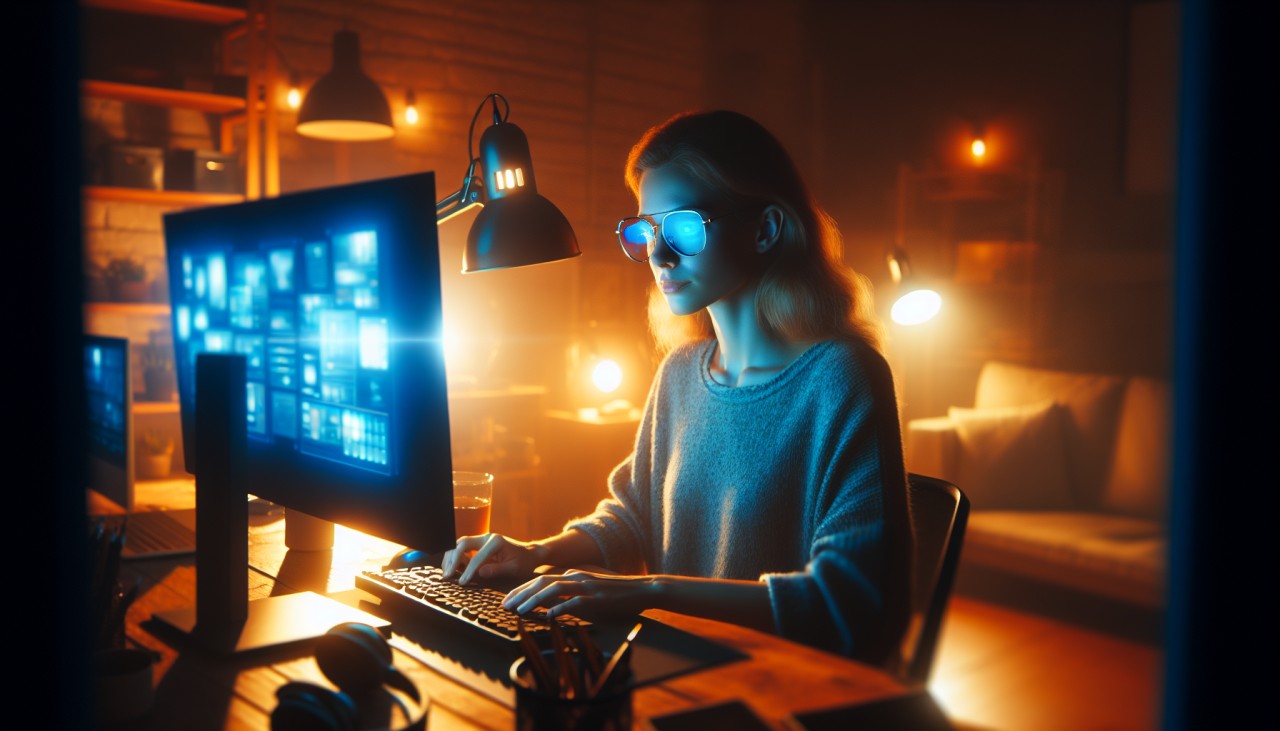
In today's digital age, our lives are intertwined with screens—smartphones, computers, tablets, and televisions. While these devices offer convenience and connectivity, they also emit blue light, a high-energy visible (HEV) light that has raised concerns about its impact on our health. Understanding and managing blue light exposure is crucial for maintaining optimal well-being.
Understanding Blue Light
Blue light is a part of the visible light spectrum, with wavelengths between 400 and 500 nanometers. It's naturally present in sunlight and is essential for regulating our circadian rhythms, which govern our sleep-wake cycles. However, excessive exposure, especially during the evening, can disrupt these rhythms, leading to sleep disturbances and other health issues.
The Impact of Blue Light on Health
Prolonged exposure to blue light, particularly before bedtime, can suppress the production of melatonin, the hormone responsible for regulating sleep. This suppression can delay sleep onset and reduce sleep quality. Studies have shown that blue light exposure before bedtime can significantly impact sleep patterns and overall health. medicinecontact.com
Beyond sleep disturbances, excessive blue light exposure has been linked to digital eye strain. Symptoms include eye fatigue, dryness, blurred vision, and headaches. The constant focus on digital screens without adequate breaks exacerbates these symptoms. eyesafe.com
Strategies for Managing Blue Light Exposure
1. Implement the 20-20-20 Rule
To alleviate digital eye strain, adopt the 20-20-20 rule: every 20 minutes, take a 20-second break and look at something 20 feet away. This practice helps relax eye muscles and reduces fatigue. eyesafe.com
2. Adjust Device Settings
Many devices offer built-in features to reduce blue light emission. For instance, Apple's Night Shift and Windows' Night Light adjust the screen's color temperature to warmer tones during the evening. Activating these settings can minimize blue light exposure. bolle-safety.com
3. Use Blue Light-Blocking Glasses
Specialized eyewear with lenses designed to filter out blue light can be beneficial, especially for individuals who spend extended periods in front of screens. These glasses can help reduce symptoms of digital eye strain. eyesafe.com
4. Optimize Lighting Conditions
Adjusting your environment can significantly impact blue light exposure. Use lower-intensity, warm-toned lights in the evening to create a more conducive environment for winding down. Additionally, consider incorporating lamps with yellow or amber bulbs instead of bright white LED lights during nighttime activities. umatechnology.org
5. Limit Screen Time Before Bed
Establishing a screen-free time before bed is crucial for promoting better sleep. Aim to turn off devices at least one hour before bedtime to allow your brain to wind down without the interference of blue light. Engaging in relaxing activities such as reading with a traditional book or practicing mindfulness can be beneficial in helping to ease the transition to sleep. umatechnology.org
6. Incorporate Regular Screen Breaks
Adopt a habit of incorporating regular screen breaks to give the eyes a much-needed rest. The 20-20-20 rule is a simple yet effective guideline: every 20 minutes, look at something 20 feet away for at least 20 seconds. This practice can help reduce eye strain and minimize the cumulative effects of prolonged screen time. robots.net
7. Utilize Blue Light Filters and Controls
Filters and adaptive controls reduce indoor blue light exposure, especially near screens and in bedrooms. Installing screen protectors for devices—examples include Ocushield for monitors and smartphones—can block up to 90% of blue light in the 400–470nm range. blulites.com
8. Practice Proper Screen Positioning
The layout of a workstation is an important element of reducing eye strain when using screens. The top of the monitor, for example, should be in line with your eyes and 20-30 inches away. This setup ensures that you are looking down by 15-20 degrees to see the center of the screen, reducing strain. bolle-safety.com
9. Maintain Regular Eye Exams
Regular eye check-ups are essential to monitor eye health and address any issues related to blue light exposure. An eye care professional can provide personalized advice and recommend appropriate interventions. greatnews.life
10. Educate and Raise Awareness
Understanding the effects of blue light and the importance of managing exposure is the first step toward better eye health. Educating oneself and others about the risks associated with excessive blue light exposure can lead to healthier habits and environments. greatnews.life
Practical Real-World Example
Consider Sarah, a graphic designer who spends long hours working on her computer. She began experiencing eye fatigue and difficulty sleeping. After consulting with an eye care professional, Sarah implemented several strategies to manage her blue light exposure:
- Adopted the 20-20-20 Rule: Every 20 minutes, she takes a 20-second break and looks at something 20 feet away, reducing eye strain.
- Adjusted Device Settings: She enabled the Night Shift feature on her computer and smartphone to reduce blue light emission during the evening.
- Used Blue Light-Blocking Glasses: Sarah invested in quality blue light-blocking glasses to wear during her work hours.
- Optimized Lighting Conditions: She replaced bright white LED bulbs with warm-toned lights in her workspace and used a desk lamp with an amber bulb in the evenings.
- Limited Screen Time Before Bed: Sarah established a screen-free period of at least one hour before bedtime, engaging in activities like reading a book or practicing relaxation techniques.
By incorporating these practices, Sarah noticed a significant improvement in her eye comfort and sleep quality. Her experience underscores the importance of proactive blue light management in daily life.
Useful Information and Tools
- Blue Light-Blocking Glasses: Specialized eyewear designed to filter out blue light can be purchased from various retailers.
- Screen Filter Apps: Applications like f.lux and Iris can adjust your device's display settings to reduce blue light emission.
- Lighting Solutions: Smart lighting systems, such as Philips Hue, allow you to customize light settings to minimize blue light exposure.
- Eye Care Practices: Regular eye exams and consultations with eye care professionals can provide personalized advice on managing blue light exposure.
- Educational Resources: Websites like the American Academy of Ophthalmology offer comprehensive information on blue light and eye health.
By implementing these strategies and utilizing available tools, individuals can effectively manage blue light exposure, leading to improved eye health and overall well-being.
Key Takeaways
- Implementing the 20-20-20 rule can reduce digital eye strain.
- Adjusting device settings to reduce blue light emission is beneficial.
- Using blue light-blocking glasses can alleviate eye fatigue.
- Optimizing lighting conditions in your environment helps manage blue light exposure.
- Limiting screen time before bed promotes better sleep quality.
Example
Sarah, a graphic designer, improved her eye comfort and sleep quality by adopting blue light management strategies.