[Paragraph 1]
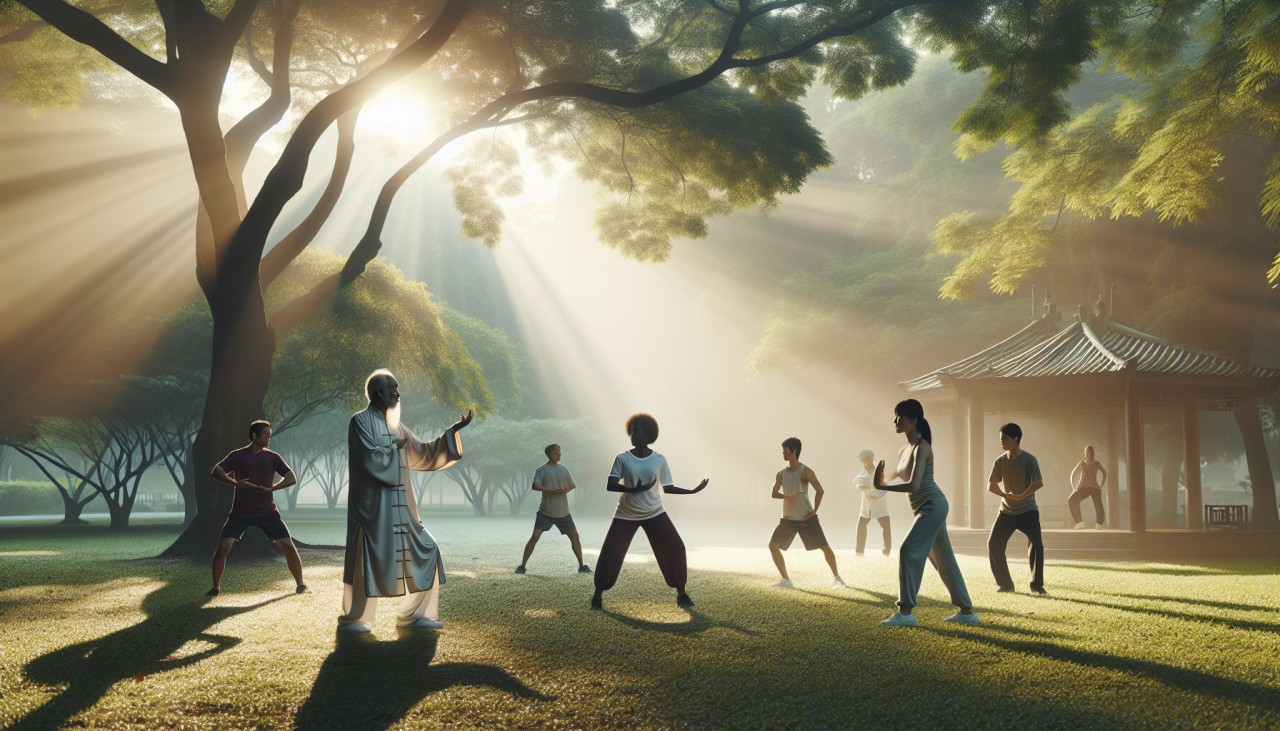
Tai Chi, known as "shadow boxing," is a traditional Chinese martial art that emphasizes slow, deliberate movements and deep breathing. Originating in the 17th century, it has evolved into a popular form of exercise worldwide. Recent studies have shed light on its profound health benefits, making it a valuable practice for individuals of all ages.
One significant area where Tai Chi has shown promise is in the management of hypertension. A study published in February 2024 found that Tai Chi is more effective than vigorous aerobic exercise in lowering blood pressure among individuals with prehypertension. This finding suggests that Tai Chi can serve as a non-pharmacological intervention for early-stage hypertension, offering a gentle yet effective approach to managing blood pressure levels. chinadaily.com.cn
Beyond cardiovascular health, Tai Chi has demonstrated positive effects on neurological conditions. Research from Shanghai Ruijin Hospital, published in November 2023, indicates that long-term Tai Chi practice can benefit patients with early-stage Parkinson's disease. The study found that regular Tai Chi exercise slowed the progression of motor and non-motor symptoms, reduced the need for medication, and improved overall quality of life for participants. This highlights Tai Chi's potential as a complementary therapy for managing neurodegenerative diseases. chinadaily.com.cn
The benefits of Tai Chi are not limited to specific health conditions; they extend to overall physical and mental well-being. Regular practice has been associated with improved balance, flexibility, and muscle strength, which are crucial for fall prevention, especially among older adults. A study published in September 2018 demonstrated that Tai Chi significantly reduces the risk of falls in seniors, emphasizing its role in enhancing stability and preventing injuries. chinadaily.com.cn
Mentally, Tai Chi serves as a form of moving meditation, promoting relaxation and stress reduction. The focus on mindful movement and breathing helps practitioners achieve a state of calmness and mental clarity. This aspect of Tai Chi has been particularly beneficial for individuals dealing with anxiety and depression, offering a holistic approach to mental health.
Incorporating Tai Chi into daily life can be straightforward and adaptable to individual needs. For instance, starting with short, 10-15 minute sessions in the morning can set a positive tone for the day. As comfort and proficiency increase, the duration and complexity of routines can be gradually extended. Many community centers and fitness clubs offer Tai Chi classes, providing opportunities for social engagement and guided instruction.
For those interested in practicing at home, numerous online resources and instructional videos are available, catering to various skill levels. Additionally, wearable devices that monitor heart rate and movement can be used to track progress and ensure exercises are performed correctly. Integrating Tai Chi into daily routines not only enhances physical health but also fosters a sense of mindfulness and well-being.
[Paragraph 2]
The resurgence of interest in traditional Chinese exercises like Tai Chi reflects a broader global trend towards holistic health practices. In China, there has been a notable increase in the adoption of Tai Chi among younger populations. A report from May 2024 highlighted that traditional Chinese workouts, including Tai Chi, are gaining favor among young adults who seek stress relief and improved mental focus. This shift indicates a growing appreciation for the mind-body connection and the benefits of integrating such practices into modern lifestyles. chinadaily.com.cn
Internationally, Tai Chi's popularity continues to grow, especially in the United States. Community centers, health clubs, and studios across the country offer Tai Chi classes, attracting individuals seeking low-impact exercise options. The practice's emphasis on balance, flexibility, and mental focus appeals to a diverse demographic, from young professionals to older adults. This widespread adoption underscores Tai Chi's universal appeal and its adaptability to various cultural contexts. chinadaily.com.cn
The integration of Tai Chi into community health initiatives further demonstrates its value in promoting public well-being. In November 2025, a fitness center in Tianjin, China, tailored exercise regimens to help seniors manage chronic conditions such as cardiovascular disease and diabetes. The program included Tai Chi sessions, highlighting its role in comprehensive health management strategies for older adults. global.chinadaily.com.cn
For individuals looking to incorporate Tai Chi into their daily routines, several practical steps can be taken. Starting with beginner-friendly routines and gradually progressing to more complex forms can help build confidence and proficiency. Utilizing mobile apps that offer guided Tai Chi sessions can provide structure and variety to practice. Additionally, joining local Tai Chi groups or online communities can offer support, motivation, and opportunities for social interaction.
In conclusion, Tai Chi offers a multifaceted approach to health, encompassing physical fitness, mental clarity, and emotional balance. Its adaptability and comprehensive benefits make it a valuable practice for individuals seeking to enhance their overall well-being. Whether through community classes, online resources, or personal practice, integrating Tai Chi into daily life can lead to significant health improvements and a deeper connection to oneself.
Key Takeaways
- Tai Chi is more effective than vigorous aerobic exercise in lowering blood pressure among individuals with prehypertension.
- Long-term Tai Chi practice benefits patients with early-stage Parkinson's disease by slowing symptom progression and reducing medication needs.
- Regular Tai Chi practice improves balance, flexibility, and muscle strength, significantly reducing fall risk in older adults.
- Tai Chi serves as a form of moving meditation, promoting relaxation and stress reduction, beneficial for mental health.
- Incorporating Tai Chi into daily routines can enhance physical health and foster mindfulness and well-being.
Example
To incorporate Tai Chi into your daily routine, consider starting with a 10-minute morning session focusing on basic movements and deep breathing. Utilize online tutorials or mobile apps that offer guided sessions suitable for beginners. As you become more comfortable, gradually increase the duration and complexity of your practice. Joining a local Tai Chi class or online community can provide additional support and motivation. Regular practice can lead to improved balance, reduced stress, and enhanced overall well-being.