In recent years, the concept of "food as medicine" has gained significant traction, emphasizing the profound impact of dietary choices on health and well-being. This approach posits that what we eat can be as influential as traditional medical treatments in preventing, managing, and even reversing chronic diseases. The integration of nutrition into healthcare is not a novel idea; however, its application has become more structured and evidence-based, leading to a paradigm shift in how we perceive and utilize food in the context of health.
A pivotal study conducted by researchers at the University of Chicago demonstrated the critical role of diet in shaping the gut microbiome, which is integral to overall health. The research involved mice fed a Western-style diet, characterized by high processed foods, red meat, dairy products, and sugar, and compared them to mice on a Mediterranean-like diet rich in plant-based fibers from fruits, vegetables, and whole grains. The findings revealed that mice on the Western-style diet struggled to rebuild a healthy and diverse gut microbiome after antibiotic treatment, making them more susceptible to infections like Salmonella. In contrast, those on the Mediterranean-like diet quickly restored a resilient gut microbiome, underscoring the profound impact of dietary patterns on gut health and immune function. This study highlights the importance of dietary choices in maintaining a balanced gut microbiome, which is essential for overall health and disease prevention. sciencedaily.com
The implications of this research extend beyond animal models. In human populations, dietary patterns have been linked to various chronic diseases, including heart disease, diabetes, and certain cancers. The Western diet, prevalent in many developed countries, is often high in ultraprocessed foods, which have been associated with negative health outcomes. A study published in Cell Metabolism found that consuming a diet rich in ultraprocessed foods led to weight gain and disrupted metabolic health within just three weeks, regardless of calorie intake. This rapid deterioration underscores the immediate impact that dietary choices can have on health. lemonde.fr
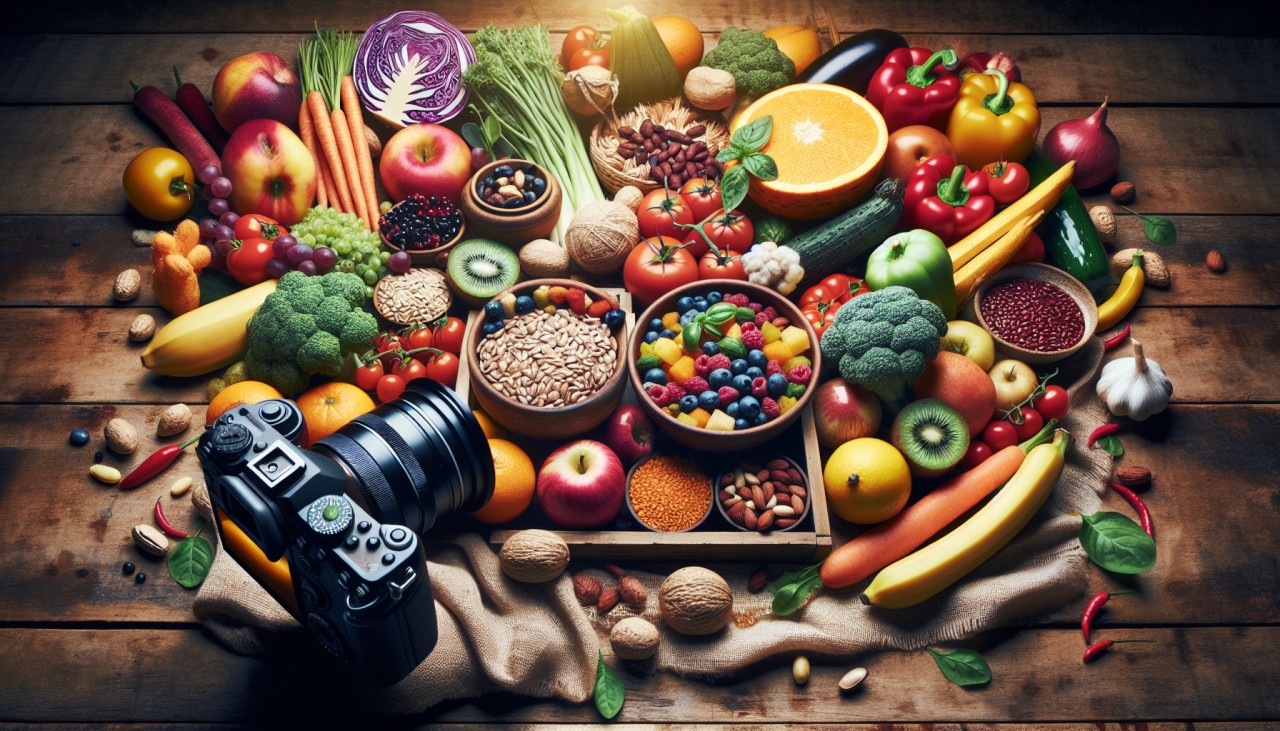
Conversely, diets rich in whole foods, such as the Mediterranean diet, have been associated with numerous health benefits. These diets emphasize the consumption of fruits, vegetables, whole grains, legumes, and healthy fats, providing essential nutrients and promoting a balanced gut microbiome. The positive effects of such diets are not limited to gut health but also extend to cardiovascular health, weight management, and reduced inflammation. The integration of these dietary patterns into daily life can serve as a preventive measure against chronic diseases and contribute to overall well-being.
The concept of food as medicine has also been embraced in clinical settings. The American Heart Association defines "food is medicine" as the provision of healthy foods prescribed within a healthcare setting to prevent, manage, and treat diet-related chronic diseases. A systematic review of randomized controlled trials on food is medicine programs found that these interventions contributed to improvements in diet quality and food security among individuals with chronic diseases. However, the review also highlighted the need for larger, higher-quality, and longer-term studies to better understand the clinical outcomes for patients in food is medicine programs. newsroom.heart.org
Incorporating food as medicine into healthcare involves more than just dietary changes; it requires a holistic approach that includes education, access to healthy foods, and support systems. Programs like Recipe4Health, a therapeutic approach that provides fresh produce and health education, have shown positive results in improving health outcomes. Participants in such programs have reported increased consumption of fruits and vegetables, improved mental health, and better management of chronic conditions like diabetes and heart disease. These programs not only address the nutritional needs of individuals but also tackle issues like food insecurity, demonstrating the multifaceted benefits of integrating food into healthcare. med.stanford.edu
The integration of food as medicine into healthcare systems also has significant economic implications. Providing medically tailored meals to patients has been shown to increase dietary adherence and improve chronic disease control. A systematic review of studies found that such interventions led to significant reductions in LDL cholesterol, blood pressure, and weight, as well as decreased mortality rates in chronic kidney disease patients. These health improvements translate into substantial cost savings, including reduced cardiovascular events, hospitalizations, and dialysis rates. The economic benefits of food is medicine programs highlight the potential for nutrition-based interventions to enhance health outcomes and reduce healthcare expenditures. pubmed.ncbi.nlm.nih.gov
Despite the promising evidence supporting food as medicine, challenges remain in its widespread implementation. Issues such as food insecurity, limited access to healthy foods, and socioeconomic disparities can hinder the effectiveness of these interventions. Addressing these challenges requires a multifaceted approach that includes policy changes, community engagement, and systemic support to ensure that all individuals have access to the resources necessary for healthy eating.
In conclusion, the concept of food as medicine offers a promising avenue for improving health outcomes and preventing chronic diseases. By emphasizing the role of diet in health, integrating nutrition into healthcare systems, and addressing barriers to healthy eating, we can harness the full potential of food as a tool for healing and disease prevention. As research continues to evolve, it is essential to support and expand food is medicine initiatives to create a healthier future for all.
Key Takeaways
- Dietary choices significantly influence gut microbiome health, impacting overall well-being.
- Western-style diets high in ultraprocessed foods are linked to negative health outcomes.
- Mediterranean-like diets rich in whole foods promote a balanced gut microbiome and overall health.
- Food is medicine programs have shown improvements in diet quality and chronic disease management.
- Integrating nutrition into healthcare systems can lead to substantial economic benefits.
Example
To incorporate the principles of food as medicine into your daily life, consider the following practical steps: 1. Increase Whole Food Intake: Aim to fill your plate with a variety of fruits, vegetables, whole grains, legumes, and healthy fats. These foods provide essential nutrients that support a balanced gut microbiome and overall health. 2. Limit Ultraprocessed Foods: Reduce consumption of foods high in added sugars, unhealthy fats, and artificial additives. Opt for minimally processed options to decrease the intake of ultraprocessed foods linked to negative health outcomes. 3. Plan Balanced Meals: Incorporate a variety of food groups into each meal to ensure a balanced intake of nutrients. This approach supports metabolic health and can aid in weight management. 4. Stay Hydrated: Drink plenty of water throughout the day to support digestion and overall health. Proper hydration is essential for nutrient absorption and metabolic processes. 5. Engage in Regular Physical Activity: Combine dietary changes with regular exercise to enhance health benefits. Physical activity supports metabolic health and complements dietary improvements. To support these changes, consider using nutrition tracking apps that help monitor your food intake and provide personalized recommendations. Additionally, seeking guidance from a registered dietitian can offer tailored advice to meet your specific health goals.