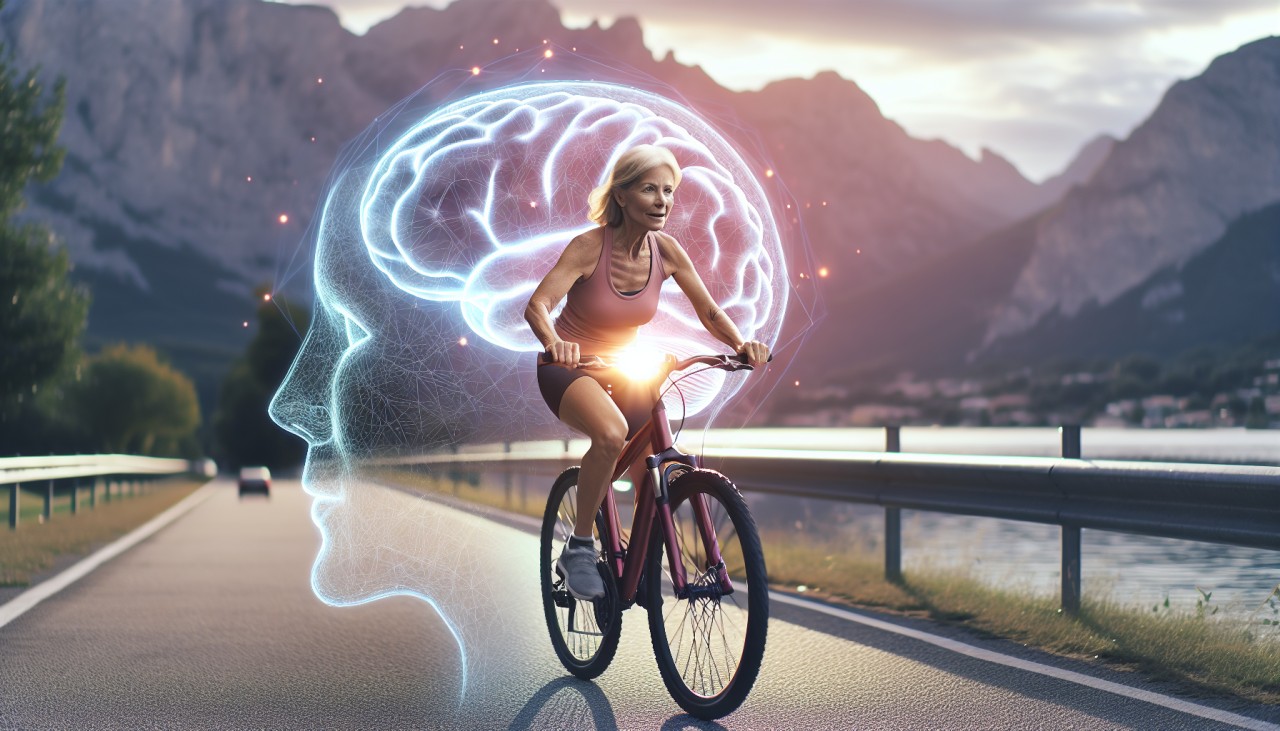
High-Intensity Interval Training (HIIT) has long been celebrated for its physical benefits, including improved cardiovascular health and increased muscle strength. However, recent research has unveiled its significant impact on brain health, particularly in older adults. A study published in Aging and Disease in July 2024 investigated the effects of HIIT on cognitive function in individuals aged 65 to 86. Over six months, participants engaged in HIIT sessions consisting of short bursts of intense exercise followed by brief recovery periods. The results were compelling: those who participated in HIIT showed marked improvements in hippocampal function, a brain region crucial for learning and memory. These cognitive enhancements were sustained for up to five years post-training, suggesting that HIIT may offer long-term benefits for brain health. health.harvard.edu
The mechanisms behind HIIT's positive effects on the brain are multifaceted. Intense physical activity increases blood flow to the brain, delivering more oxygen and nutrients essential for neuronal health. Additionally, HIIT stimulates the production of brain-derived neurotrophic factor (BDNF), a protein that supports the growth and maintenance of neurons. Elevated BDNF levels are associated with improved cognitive functions and may help protect against neurodegenerative diseases. Incorporating HIIT into one's routine can be a time-efficient strategy to bolster brain health, especially for older adults seeking to maintain cognitive vitality. health.harvard.edu
Key Takeaways
- HIIT can enhance cognitive function in older adults.
- Improvements in hippocampal function can last up to five years.
- HIIT increases blood flow and BDNF production, supporting brain health.
Example
To incorporate HIIT into your daily routine, consider starting with short, manageable sessions. For instance, a 20-minute workout alternating between 30 seconds of intense activity (like brisk cycling or fast-paced walking) and 30 seconds of rest can be effective. This approach not only fits into a busy schedule but also provides cognitive benefits. To track your progress and ensure safety, use fitness apps that monitor heart rate and provide structured HIIT programs. Always consult with a healthcare professional before beginning any new exercise regimen, especially if you have existing health conditions.