In 2026, self-care has transcended its traditional boundaries, evolving into a multifaceted practice that encompasses physical health, mental well-being, and emotional balance. This transformation is largely driven by technological advancements, a deeper understanding of holistic health, and a cultural shift towards personalization and mindfulness. As individuals seek more meaningful and sustainable ways to care for themselves, self-care has become a dynamic and integral part of daily life.
One of the most significant trends in self-care is the integration of technology to create personalized wellness experiences. The rise of artificial intelligence (AI) and machine learning has enabled the development of apps and devices that monitor health metrics, provide tailored fitness routines, and offer real-time feedback. For instance, wearable devices now track not only physical activity but also sleep patterns, stress levels, and even nutritional intake, offering a comprehensive view of an individual's health. This data-driven approach allows for customized self-care plans that adapt to one's unique needs and goals.
Moreover, the accessibility of at-home testing platforms has revolutionized how individuals approach their health. Services that offer insights into metabolic health, hormone levels, and nutrient status empower users to make informed decisions about their well-being. This shift towards personalized health data aligns with a broader movement towards self-directed wellness, where individuals take an active role in monitoring and managing their health. The availability of such tools has made self-care more proactive, allowing for early detection of potential health issues and the implementation of preventive measures.
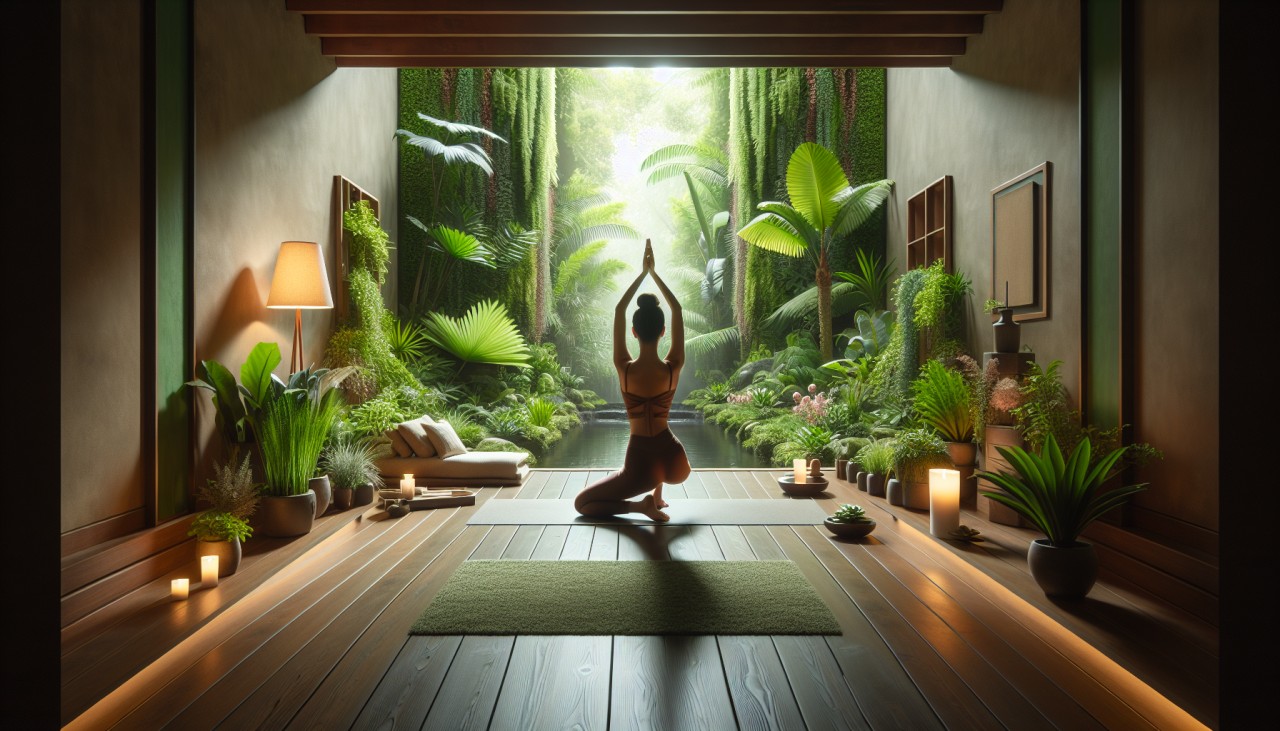
Mindfulness and mental well-being have also become central to the self-care narrative. Practices such as meditation, yoga, and mindful breathing are now widely recognized for their benefits in reducing stress, enhancing focus, and promoting emotional stability. The incorporation of mindfulness into daily routines has been shown to improve sleep quality, boost immune function, and increase overall life satisfaction. As a result, many self-care strategies now include mindfulness techniques as a core component, reflecting a holistic approach to health that addresses both the mind and body.
Community engagement and social connections play a crucial role in modern self-care practices. The importance of building and maintaining strong social networks has been linked to improved mental health outcomes, including reduced feelings of loneliness and depression. In response, there has been a surge in community-based wellness programs, group fitness classes, and social events that encourage connection and support. These initiatives foster a sense of belonging and provide individuals with resources and encouragement to pursue their health and wellness goals collectively.
The concept of a "joy-first home" has also emerged as a significant aspect of self-care. This trend emphasizes creating living spaces that are vibrant, personalized, and conducive to happiness and well-being. Incorporating elements such as colorful decor, comfortable furnishings, and areas designated for hobbies and relaxation can transform a home into a sanctuary that nurtures the mind and body. The focus on joy and personalization in home design reflects a broader cultural shift towards prioritizing happiness and comfort in daily life.
In the realm of skincare, there is a notable shift towards simplified routines. The overwhelming complexity of multi-step skincare regimens has led many to seek minimalist approaches that focus on quality over quantity. Dermatologists advocate for routines that emphasize gentle cleansing, adequate hydration, and sun protection, with the addition of targeted treatments as needed. This streamlined approach not only reduces the time and effort required for skincare but also minimizes the risk of irritation and promotes healthier skin.
Similarly, the beauty industry is embracing trends that celebrate individuality and authenticity. The "glitchy glam" aesthetic, characterized by intentional imperfections and eclectic styles, challenges traditional beauty standards and encourages self-expression. This movement aligns with the broader self-care philosophy of embracing one's unique qualities and finding beauty in imperfection. By moving away from uniformity, individuals are encouraged to explore and express their personal style in ways that feel authentic and empowering.
As self-care continues to evolve, it is essential to recognize the importance of balance and sustainability. While technology offers innovative tools and resources, it is crucial to maintain a mindful approach that prioritizes genuine well-being over external validation. Engaging in self-care practices that align with personal values and needs, rather than societal expectations, fosters a deeper sense of fulfillment and happiness.
Incorporating self-care into daily life can be both simple and effective. Setting aside time each day for activities that promote physical and mental health, such as a morning meditation session, a walk in nature, or reading a book, can make a significant difference. Utilizing apps that offer guided workouts, mindfulness exercises, or sleep tracking can provide structure and support in maintaining these practices. Additionally, creating a dedicated space in the home for relaxation and self-care activities can serve as a constant reminder to prioritize personal well-being.
By embracing these trends and integrating them into daily routines, individuals can cultivate a self-care practice that is personalized, sustainable, and deeply fulfilling. The evolution of self-care in 2026 reflects a collective understanding of the interconnectedness of mind, body, and community, highlighting the importance of holistic approaches to health and happiness.
Key Takeaways
- Integration of AI and technology for personalized wellness experiences.
- Emphasis on mindfulness and mental well-being in self-care practices.
- Rise of community engagement and social connections as key components of self-care.
- Shift towards simplified skincare routines focusing on quality and minimalism.
- Emergence of beauty trends that celebrate individuality and authenticity.
Example
To incorporate these self-care trends into your daily life, consider the following practical steps: 1. Personalized Wellness Routine: Utilize wearable devices or health apps to monitor your physical activity, sleep patterns, and stress levels. Based on this data, create a customized fitness plan that aligns with your goals and preferences. For example, if the app indicates high stress levels, incorporate relaxation techniques such as deep breathing exercises or yoga into your routine. 2. Mindfulness Practice: Dedicate a few minutes each day to mindfulness activities. This could include meditation, journaling, or simply taking a mindful walk. Apps like Headspace or Calm offer guided sessions that can help you get started and maintain consistency. 3. Community Engagement: Join local or online groups that focus on wellness and self-care. Participating in group fitness classes, book clubs, or hobby groups can provide social support and enhance your sense of belonging. 4. Simplified Skincare Routine: Streamline your skincare regimen by focusing on essential steps: gentle cleansing, moisturizing, and sun protection. Choose products with minimal ingredients to reduce the risk of irritation and promote skin health. 5. Create a Joyful Home Environment: Designate a space in your home for relaxation and self-care activities. This could be a cozy reading nook, a meditation corner, or a small garden. Surrounding yourself with elements that bring you joy can enhance your overall well-being. By implementing these strategies, you can create a self-care routine that is tailored to your individual needs and supports your overall health and happiness.