



The Dark Side of AI in Dating
Artificial intelligence is revolutionizing the dating landscape, but its integration raises significant concerns about manipulation, privacy, and emotional well-being.
Tech • Health • Future — Your signal in the noise
Artificial intelligence is revolutionizing the dating landscape, but its integration raises significant concerns about manipulation, privacy, and emotional well-being.

As artificial intelligence becomes increasingly integrated into our daily lives, concerns about its potential misuse for harassment are rising. This article delves into the risks and ethical dilemmas associated with AI-driven harassment tools, highlighting recent studies and expert opinions.
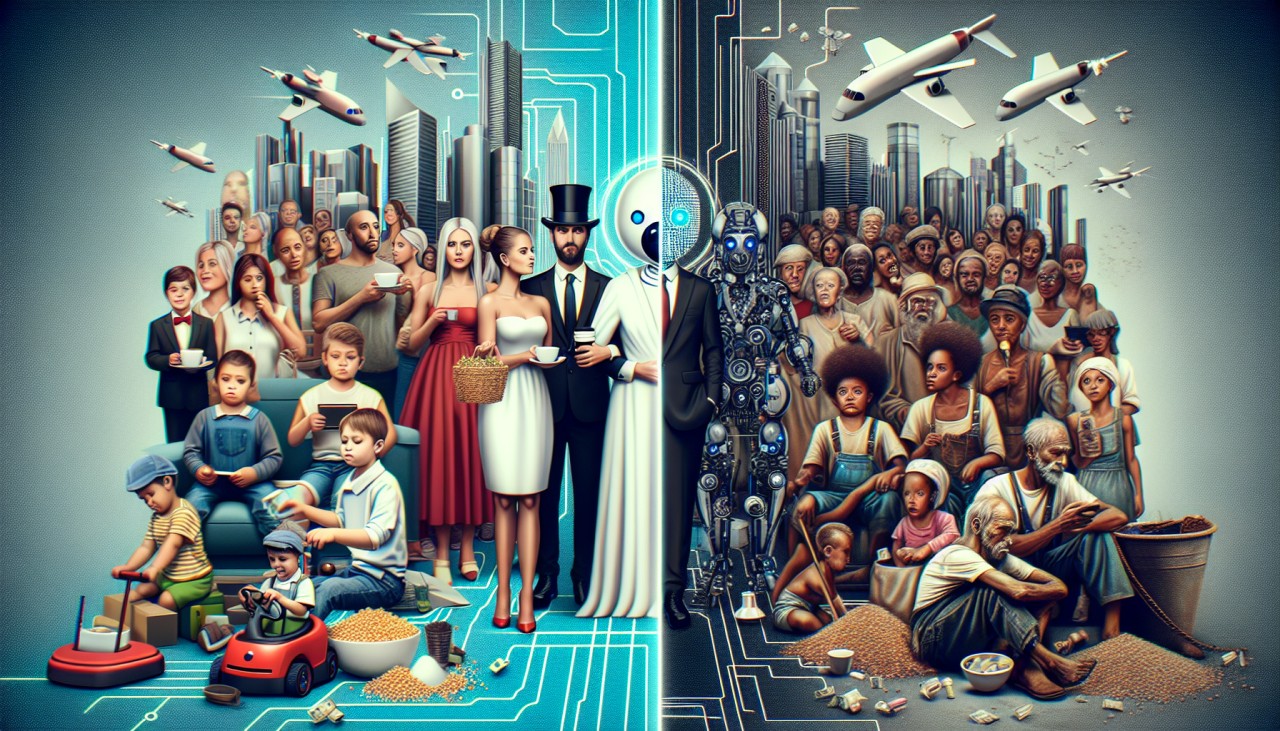
Artificial Intelligence (AI) is revolutionizing industries and daily life, but its rapid advancement poses significant risks of exacerbating wealth inequality. This article delves into the multifaceted challenges AI presents, including job displacement, algorithmic bias, and the concentration of economic power, supported by recent studies and expert analyses.

Social credit systems, designed to monitor and influence individual behavior, pose significant risks to privacy, freedom, and social trust. This article delves into the potential dangers of such systems, drawing on recent studies and reports to highlight the ethical and societal concerns they raise.

Exploring the risks and ethical concerns surrounding manipulative recommendation systems in the digital age.

Artificial intelligence is revolutionizing various sectors, but its misuse in identity theft poses significant risks. This article delves into the alarming rise of AI-driven identity theft, examining its mechanisms, real-world implications, and the challenges it presents to individuals and organizations.

Behavioral Prediction AI offers significant advancements but poses serious risks, including privacy violations, algorithmic bias, and ethical dilemmas.

Mass surveillance systems, while intended for security, pose significant risks to privacy, civil liberties, and societal trust. This article delves into the ethical concerns, potential abuses, and the broader implications of pervasive monitoring technologies.

As artificial intelligence (AI) continues to evolve, concerns about its potential to fuel radicalization have intensified. Advanced AI models, particularly large language models (LLMs) like GPT-3, have demonstrated the capability to generate content that mirrors extremist narratives, posing significant risks to societal stability. This article delves into the mechanisms by which AI can act as a catalyst for radicalization, examines the associated dangers, and discusses the challenges in mitigating these risks.