



Self-Healing Materials: The Future of Durability
Recent advancements in self-healing materials are revolutionizing industries by enhancing durability and sustainability.

Tech • Health • Future — Your signal in the noise
Recent advancements in self-healing materials are revolutionizing industries by enhancing durability and sustainability.

Biotech engineering is embracing sustainability through innovative practices and technologies, leading to eco-friendly solutions and a healthier planet.

As technology advances, the environmental impact of computing becomes a pressing concern. Recent studies highlight the challenges and innovations in achieving sustainable computing practices.
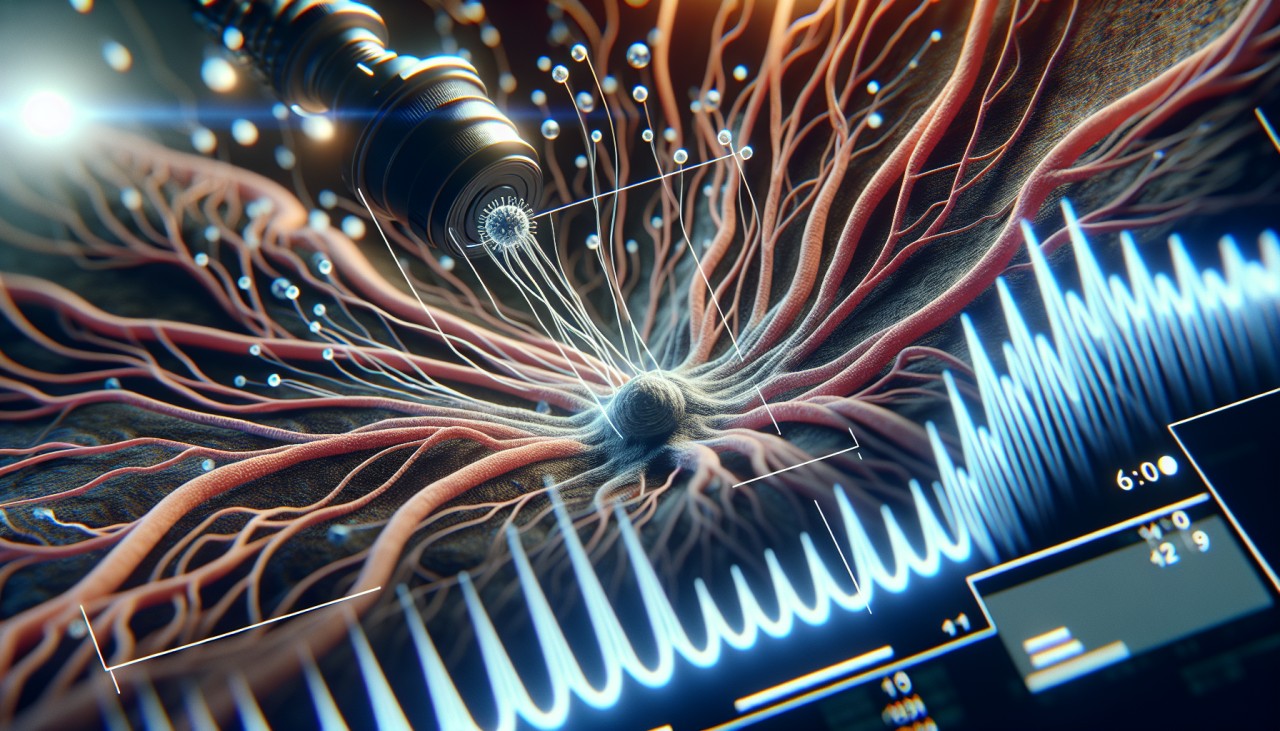
Neural dust, minuscule implantable sensors powered by ultrasound, are revolutionizing medical diagnostics and treatments by enabling precise, wireless monitoring and stimulation of nerves and muscles.

Nanofabrication is evolving with AI integration, 3D techniques, and sustainable practices, opening new possibilities across industries.

Biohybrid robots, which integrate living cells with synthetic materials, are revolutionizing robotics by offering enhanced adaptability and efficiency.

Smart wearables are revolutionizing personal health monitoring, offering real-time insights and proactive care.

Smart dust networks are revolutionizing industries by enabling real-time, granular data collection through microscopic sensors. From agriculture to healthcare, these networks offer unprecedented insights and efficiencies.
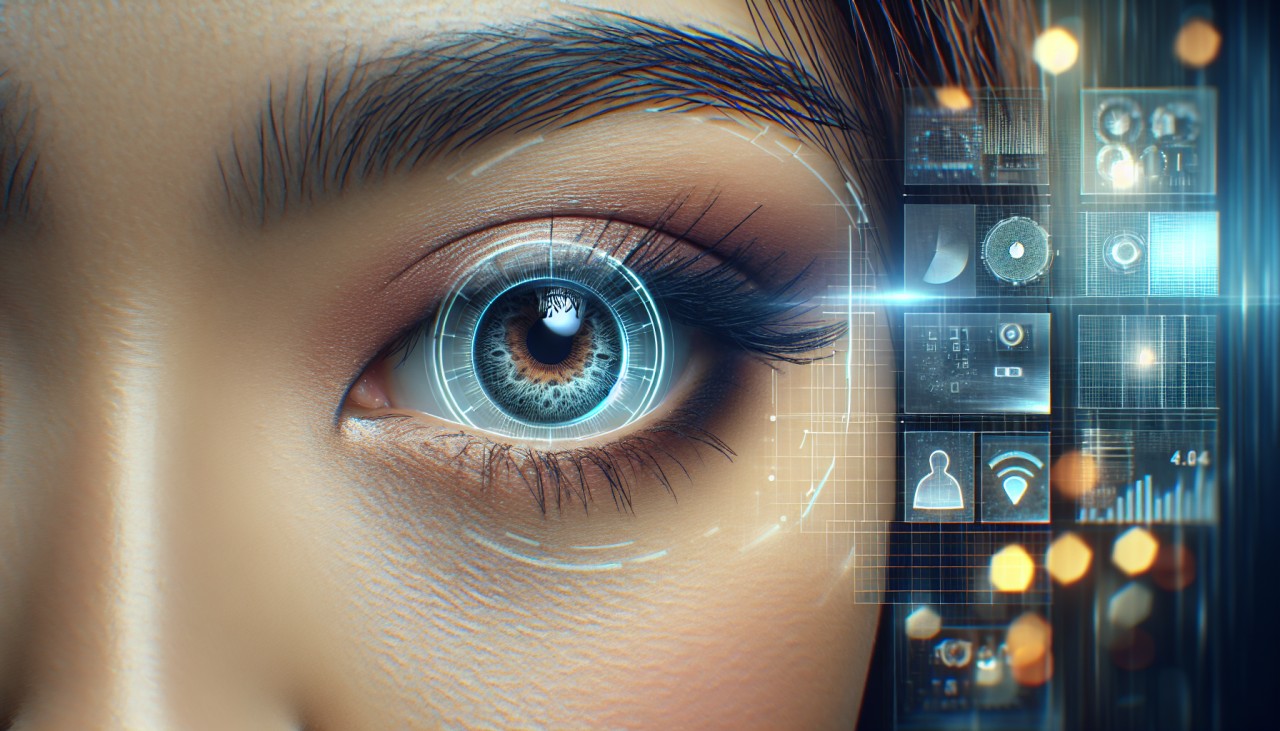
Purdue University's breakthrough in smart contact lenses offers a glimpse into the future of eye care and augmented reality.