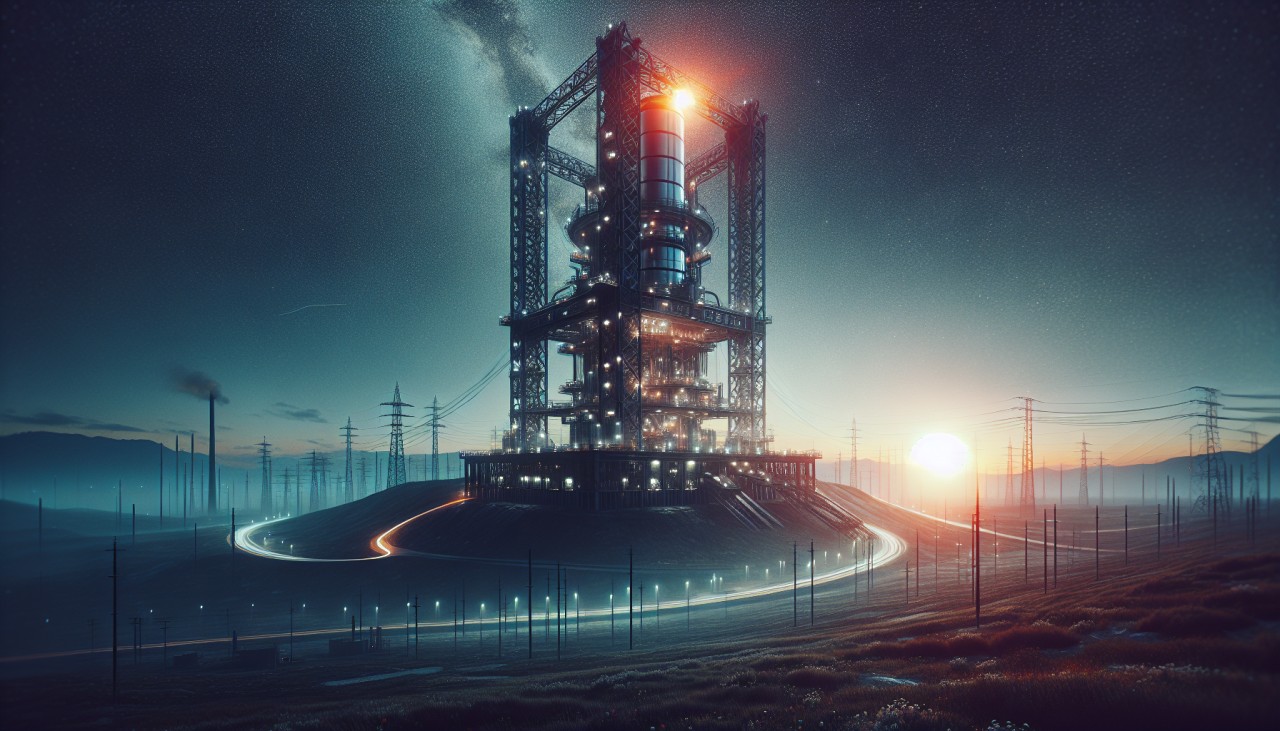
In the quest for sustainable and efficient energy storage solutions, gravity energy storage (GES) has emerged as a promising technology that leverages the fundamental force of gravity to store and release energy. Unlike traditional electrochemical batteries, which rely on chemical reactions and are subject to degradation over time, GES systems utilize mechanical processes to convert electrical energy into gravitational potential energy and vice versa. This approach offers several advantages, including longer lifespans, minimal environmental impact, and the ability to store energy over extended periods, making it particularly suitable for integrating renewable energy sources into the power grid.
The basic principle of GES involves lifting a heavy mass—such as concrete blocks, rocks, or other dense materials—to an elevated position using surplus electricity. When there is a demand for energy, the stored potential energy is released by lowering the mass, driving generators that convert the kinetic energy back into electricity. This process is conceptually similar to traditional pumped hydroelectric storage but eliminates the need for specific geographic features like mountains or large water reservoirs. Various implementations of GES exist, including tower-based systems that stack and unstack composite blocks, underground systems that utilize abandoned mine shafts, and rail-based approaches that move weighted railcars up and down inclines.
One of the key drivers propelling the growth of GES is the increasing penetration of renewable energy sources, particularly solar and wind, which are inherently intermittent. The variability of these sources necessitates the development of long-duration, grid-scale energy storage solutions capable of balancing supply and demand over extended periods. GES systems are well-suited to meet this need, as they can store energy during periods of excess generation and release it during peak demand, thereby enhancing grid stability and reliability. Moreover, GES systems can provide ancillary services such as frequency regulation and voltage support, further contributing to the efficient operation of the power grid.
Technological advancements have significantly improved the efficiency and scalability of GES systems. For instance, the development of multi-weight tower systems and underground shaft designs has enhanced energy storage capacity and reduced costs. Companies like Energy Vault have pioneered the EVx gravity energy storage system, which combines time-tested energy storage principles with modern hardware and software engineering to deliver long-duration storage without performance degradation. This innovation has been recognized by TIME magazine as one of the Best Inventions of 2024, underscoring the growing interest and investment in GES technologies.
Despite these advancements, several challenges remain in the widespread adoption of GES. High initial capital costs associated with infrastructure development, such as the construction of towers or the repurposing of mine shafts, can be a significant barrier. Additionally, the efficiency of GES systems, typically ranging from 75-85%, is lower compared to some other storage technologies, which may impact their competitiveness in certain applications. Ongoing research and development efforts are focused on addressing these challenges by improving system efficiency, reducing costs, and optimizing operational performance.
In conclusion, gravity energy storage represents a promising and sustainable solution to the challenges of integrating renewable energy sources into the power grid. Its ability to provide long-duration, cost-effective, and environmentally friendly energy storage makes it a valuable complement to existing technologies. As research and development continue to address current limitations, GES is poised to play a significant role in the global transition to a cleaner and more resilient energy future.
Key Takeaways
- Gravity energy storage leverages gravitational potential energy to store and release electricity, offering a sustainable alternative to chemical batteries.
- Technological advancements have improved the efficiency and scalability of GES systems, making them viable for large-scale energy storage applications.
- GES systems can provide ancillary services such as frequency regulation and voltage support, enhancing grid stability and reliability.
- Challenges such as high initial capital costs and system efficiency are being addressed through ongoing research and development efforts.
- Recognitions like TIME's Best Inventions of 2024 highlight the growing interest and investment in gravity energy storage technologies.