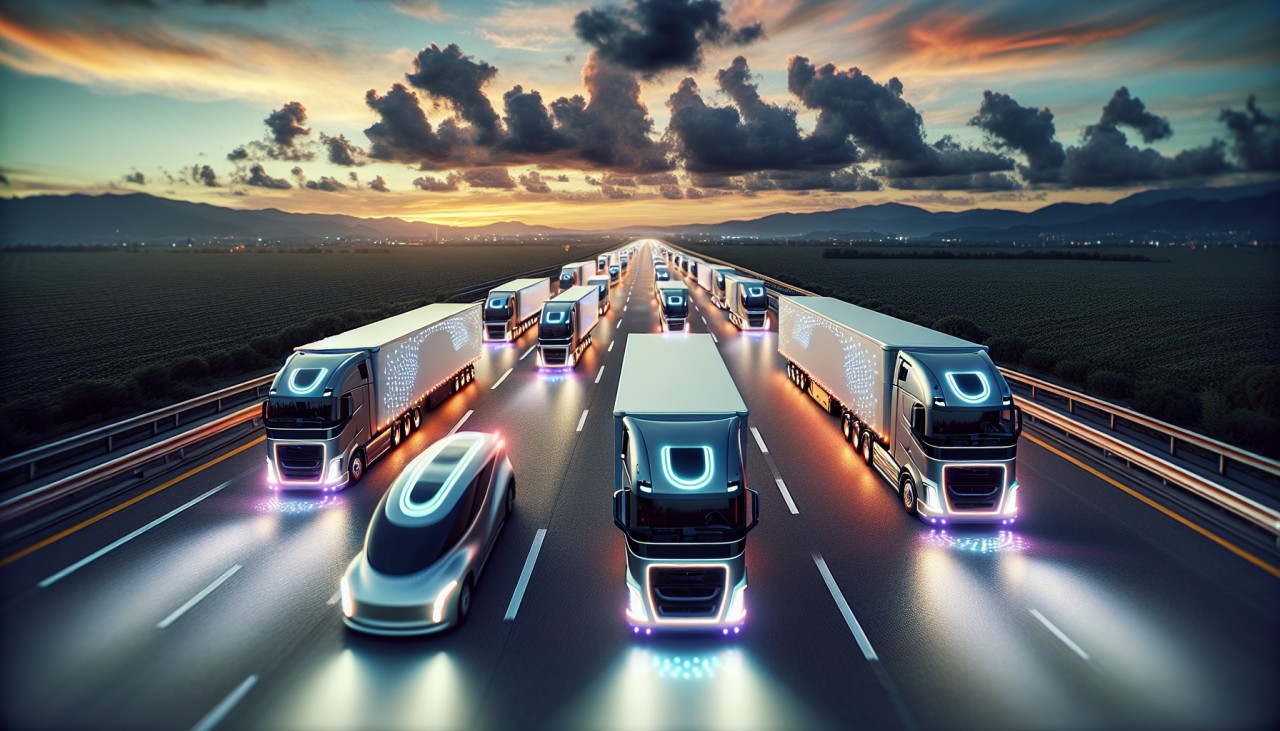
The logistics industry is undergoing a profound transformation with the advent of self-driving trucks. These autonomous vehicles are poised to redefine freight transportation by addressing longstanding challenges such as driver shortages, operational inefficiencies, and safety concerns. As technology advances and regulatory frameworks evolve, self-driving trucks are set to become a cornerstone of modern logistics, offering a glimpse into a future where transportation is more efficient, sustainable, and reliable.
One of the most pressing issues in the logistics sector is the chronic shortage of qualified truck drivers. According to the American Trucking Association, the U.S. faces a shortage of over 80,000 truck drivers, a number that could potentially double by 2030. This shortage has led to increased delivery times, higher operational costs, and strained supply chains. Autonomous trucks present a viable solution to this problem by operating without the need for human drivers, thereby alleviating the dependency on a dwindling labor pool. Companies like Gatik have already begun deploying fully driverless trucks at scale, moving beyond pilot programs into consistent, revenue-generating operations that enhance supply chains. In January 2026, Gatik secured a multi-year deal with a major consumer-goods company, effectively doubling its contracted revenue to $600 million over five years. This milestone underscores the commercial viability and growing acceptance of autonomous trucking in the logistics industry.
Beyond addressing labor shortages, self-driving trucks offer significant improvements in operational efficiency. Unlike human drivers, autonomous vehicles can operate nearly 24/7, eliminating downtime associated with rest periods, sleep, and other human limitations. This continuous operation leads to faster delivery times and better utilization of assets. For instance, autonomous trucks can maintain optimal speeds and follow precise routes, reducing fuel consumption and wear and tear on vehicles. A study by the U.S. Department of Transportation found that trucks equipped with advanced driver-assistance systems (ADAS), such as Lane Departure Warning (LDW), experienced a 21% lower crash rate compared to those without such technology. This indicates that integrating autonomous driving capabilities can enhance safety and reduce accident-related costs.
Safety is another critical area where self-driving trucks are making a substantial impact. Human error is responsible for approximately 94% of all traffic accidents, according to the National Highway Traffic Safety Administration. Autonomous trucks, equipped with advanced sensors and AI algorithms, can process vast amounts of data in real-time, enabling them to make precise driving decisions and respond to potential hazards more effectively than human drivers. For example, Kodiak AI's autonomous trucks achieved a Visually Enhanced Risk Assessment (VERA) Score of 98, tying for the top spot among over 1,000 commercial fleets in Nauto's network. This high safety score reflects the potential of autonomous trucks to significantly reduce accidents and improve road safety.
The environmental benefits of self-driving trucks are also noteworthy. Autonomous vehicles can optimize driving patterns, leading to reduced fuel consumption and lower emissions. A study by FreightAmigo highlighted that autonomous trucks could reduce fuel consumption by up to 40% through optimized driving patterns and route selection. Additionally, the integration of electric drivetrains with autonomous technology further enhances sustainability by eliminating tailpipe emissions. As the logistics industry faces increasing pressure to meet sustainability goals, self-driving trucks offer a promising solution to reduce the carbon footprint of freight transportation.
However, the widespread adoption of autonomous trucks is not without challenges. Regulatory hurdles remain a significant barrier, as existing laws and infrastructure are primarily designed for human-driven vehicles. Developing and implementing new regulations that address liability, safety standards, and operational guidelines for autonomous trucks is essential for their integration into the existing transportation ecosystem. Moreover, public perception and trust in autonomous technology play a crucial role in its acceptance. Studies have shown that factors such as behavioral tendencies, trust, and risk perception influence pedestrian interactions with automated truck platoons. Understanding and addressing these human factors are vital for the successful deployment of self-driving trucks.
In conclusion, self-driving trucks are set to revolutionize the logistics industry by offering solutions to longstanding challenges and paving the way for a more efficient, safe, and sustainable transportation system. As technology continues to advance and regulatory frameworks adapt, autonomous trucks will play an increasingly integral role in shaping the future of freight transportation.
The integration of self-driving trucks into the logistics industry is not merely a technological advancement; it represents a paradigm shift that encompasses economic, social, and infrastructural dimensions. As autonomous vehicles become more prevalent, their impact extends beyond operational efficiencies and safety improvements, influencing various facets of society and the economy. This transformation necessitates a comprehensive understanding of the broader implications of autonomous trucking and the strategic considerations required for its successful integration.
Economically, the adoption of self-driving trucks is poised to generate substantial cost savings for logistics companies. McKinsey estimates that with full autonomy, operating costs could decline by about 45%, potentially saving the U.S. for-hire trucking industry between $85 billion and $125 billion. These savings stem from reduced labor expenses, optimized fuel consumption, and decreased accident-related costs. However, the initial capital investment for autonomous trucks is significant, and companies must carefully assess the long-term financial benefits against the upfront costs. Additionally, the economic impact extends to the broader supply chain, where enhanced efficiency can lead to lower consumer prices and increased competitiveness in the global market.
Socially, the widespread deployment of autonomous trucks raises important questions about employment and workforce dynamics. While autonomous vehicles can alleviate driver shortages, they also pose challenges related to job displacement. The trucking industry employs millions of individuals, and the transition to automation could lead to significant shifts in employment patterns. Addressing these challenges requires proactive workforce planning, including retraining programs and the development of new roles that emerge alongside autonomous technology. Moreover, the societal acceptance of autonomous trucks is influenced by public perception, trust, and the perceived benefits of the technology. Engaging with communities, providing transparent information, and demonstrating the safety and reliability of autonomous trucks are essential steps in fostering public support.
Infrastructurally, the integration of self-driving trucks necessitates significant upgrades to existing transportation networks. Autonomous vehicles rely on advanced technologies such as 5G connectivity, dedicated lanes, and smart traffic management systems to operate effectively. Implementing these technologies requires substantial investment and coordination among federal, state, and local authorities, as well as private stakeholders. Additionally, the development of standardized regulations and safety protocols is crucial to ensure the safe and efficient operation of autonomous trucks. This includes establishing clear guidelines for vehicle testing, certification, and integration into mixed traffic environments.
Furthermore, the environmental impact of autonomous trucks extends beyond fuel efficiency. The optimization capabilities of autonomous vehicles can lead to more efficient route planning, reducing congestion and associated emissions. Additionally, the potential for integrating electric drivetrains with autonomous technology offers a pathway to further reduce the carbon footprint of freight transportation. As the logistics industry faces increasing pressure to meet sustainability goals, autonomous trucks present a promising solution to achieve these objectives.
In conclusion, the integration of self-driving trucks into the logistics industry represents a multifaceted transformation that encompasses economic, social, and infrastructural considerations. While the potential benefits are substantial, realizing these advantages requires careful planning, investment, and collaboration among various stakeholders. By addressing the challenges and embracing the opportunities presented by autonomous trucking, the logistics industry can pave the way for a more efficient, sustainable, and equitable future.
Key Takeaways
- Self-driving trucks address the U.S. truck driver shortage, with companies like Gatik deploying fully autonomous vehicles at scale.
- Autonomous trucks operate nearly 24/7, enhancing operational efficiency and reducing downtime.
- Advanced driver-assistance systems in autonomous trucks lead to significant safety improvements, with studies showing up to a 21% lower crash rate.
- Integration of autonomous technology with electric drivetrains offers substantial environmental benefits, including up to a 40% reduction in fuel consumption.
- Regulatory challenges and public perception remain key obstacles to the widespread adoption of autonomous trucks.
- McKinsey estimates that full autonomy in trucking could reduce operating costs by up to 45%, saving the U.S. for-hire trucking industry between $85 billion and $125 billion.
- The transition to autonomous trucks may lead to significant shifts in employment patterns, necessitating proactive workforce planning and retraining programs.
- Integration of autonomous trucks requires substantial upgrades to transportation infrastructure, including 5G connectivity, dedicated lanes, and smart traffic management systems.
- Autonomous trucks can contribute to environmental sustainability by optimizing routes and integrating electric drivetrains, reducing the carbon footprint of freight transportation.
- Successful integration of autonomous trucks involves addressing economic, social, and infrastructural challenges through coordinated efforts among stakeholders.