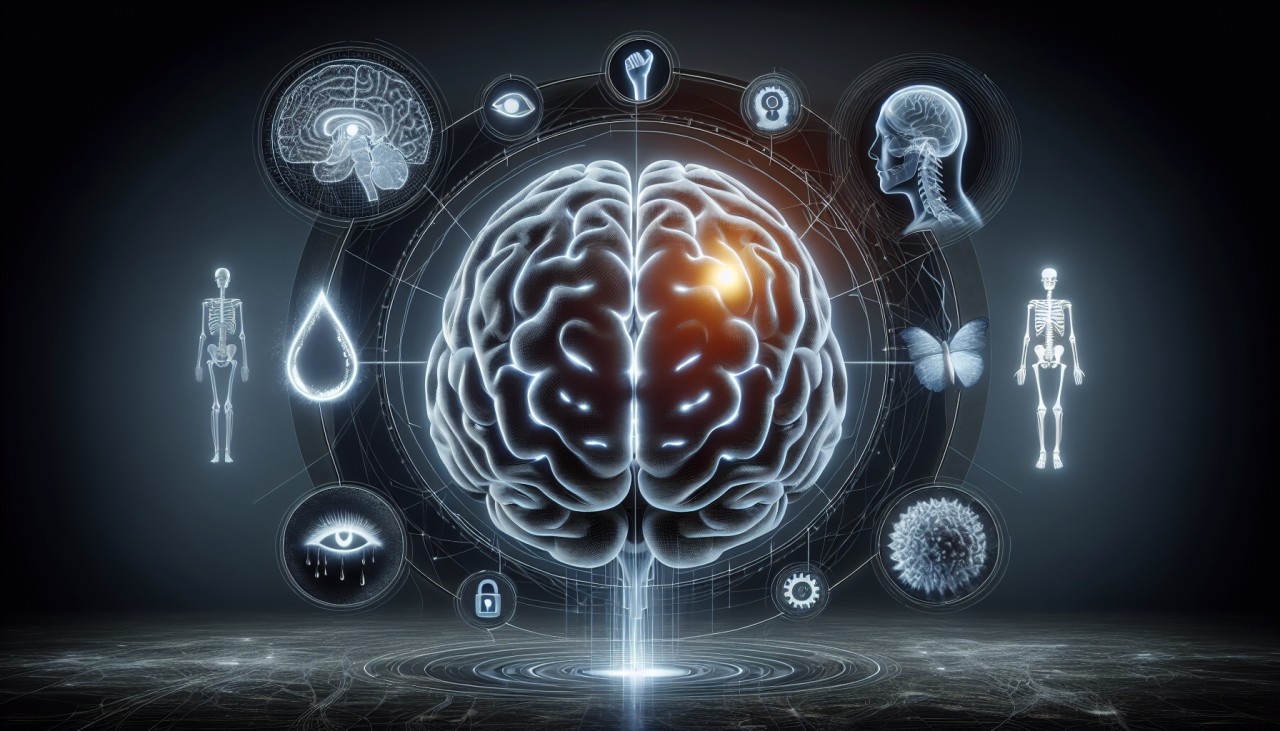
Trauma, whether stemming from personal loss, natural disasters, or violent events, has profound and lasting effects on individuals. While the immediate emotional responses are often the focus, emerging research highlights that trauma leaves enduring imprints on both the brain and body, influencing behavior, cognition, and overall health.
One significant area of study is the brain's response to trauma. Functional magnetic resonance imaging (fMRI) studies have revealed that individuals exposed to traumatic events exhibit altered brain activity patterns. Specifically, changes in the salience network—a mechanism in the brain used for learning and survival—have been observed in people exposed to trauma, regardless of whether they develop psychopathologies like PTSD, depression, or anxiety. This network, which helps prioritize sensory information, appears to function differently in trauma-exposed individuals, potentially affecting how they process and respond to environmental cues. urmc.rochester.edu
Additionally, research has identified a brain marker indicating vulnerability to developing post-traumatic stress disorder (PTSD). Heightened activation in a specific brain region in response to neutral and surprised facial expressions has been linked to an increased risk of PTSD. This finding suggests that certain individuals may have a predisposed neural response that makes them more susceptible to developing PTSD after experiencing trauma. now.tufts.edu
Beyond the brain, trauma also leaves lasting biological imprints on the body. Studies on survivors of the 1995 Oklahoma City bombing, conducted decades after the event, revealed subtle yet significant changes in stress biomarkers. These individuals exhibited lower cortisol levels, higher blood pressure, and altered heart rates, indicating lasting stress system changes. Elevated interleukin 1B and reduced interleukin 2R levels suggested ongoing immune system imbalances. Remarkably, these physiological changes were present even in the absence of visible mental health issues, underscoring the body's enduring response to trauma. neurosciencenews.com
The interplay between the brain and body in response to trauma is complex. Research indicates that individuals with a history of trauma may exhibit heightened sensitivity to future stressors, a phenomenon known as sensitization. This heightened reactivity can lead to exaggerated stress responses, potentially increasing the risk of developing stress-related disorders. Conversely, some individuals may experience habituation, where repeated exposure to stressors leads to a diminished response over time. Understanding these patterns is crucial for developing targeted interventions to support trauma survivors. medicine.yale.edu
Collectively, these findings highlight the profound and lasting impact of trauma on both the brain and body. They emphasize the need for comprehensive approaches to trauma care that address not only immediate emotional responses but also the enduring physiological changes that can affect an individual's health and well-being.
Incorporating these insights into therapeutic practices can enhance the effectiveness of interventions for trauma survivors. By acknowledging and addressing the lasting biological imprints of trauma, clinicians can develop more personalized and holistic treatment plans that promote long-term recovery and resilience.
Key Takeaways
- Trauma leads to lasting changes in brain activity and body physiology.
- Altered brain responses may increase susceptibility to PTSD.
- Physiological changes can persist even without visible mental health issues.
- Understanding these effects is crucial for developing effective trauma interventions.
- Holistic approaches addressing both mind and body are essential for recovery.
Example
Consider Sarah, a 35-year-old woman who experienced a traumatic car accident five years ago. While she sought therapy and appeared to have moved past the event, she often felt on edge and had difficulty managing stress. Recent research suggests that trauma can leave lasting imprints on the brain and body, affecting stress responses and overall well-being. Sarah's heightened stress sensitivity may be linked to these enduring effects. Understanding this connection can empower Sarah to seek targeted interventions, such as therapies focusing on stress regulation and resilience building, to address the lasting impact of her trauma.