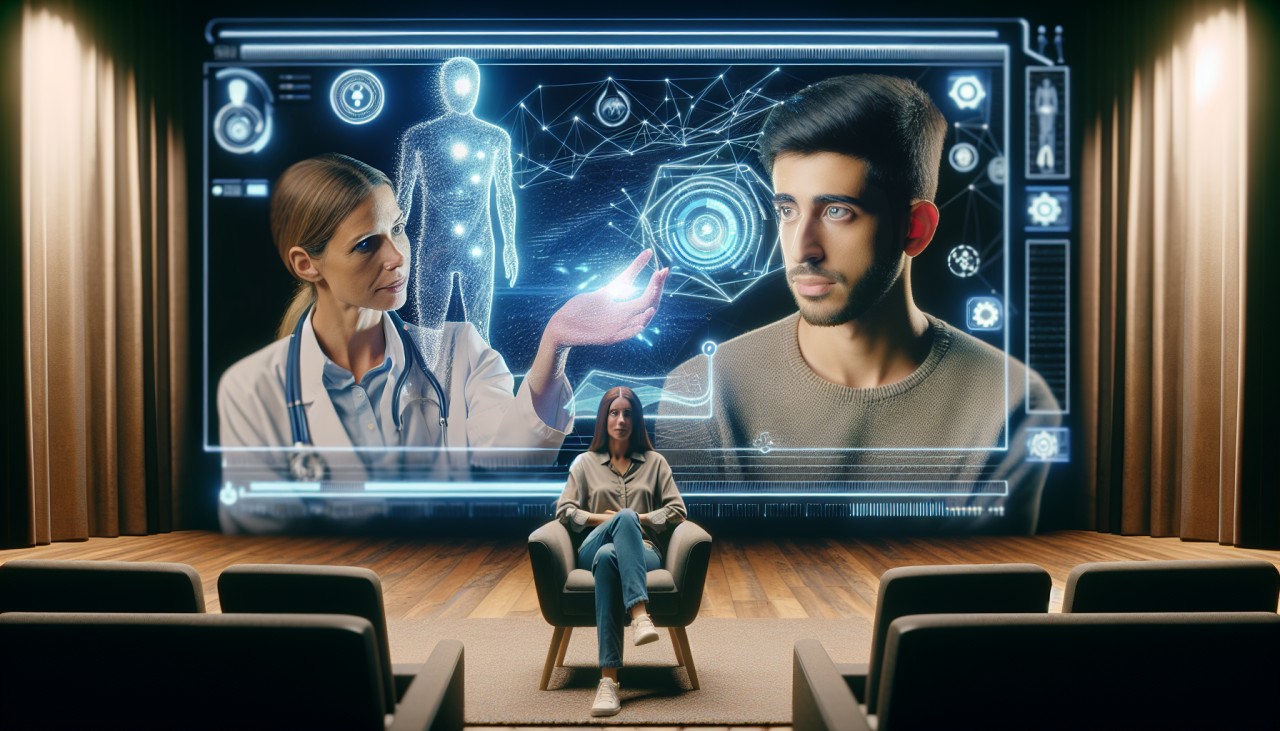
In recent years, the integration of artificial intelligence (AI) into healthcare has opened new avenues for patient engagement and behavior change. One area where this fusion is particularly promising is in the realm of Motivational Interviewing (MI), a counseling approach designed to enhance an individual's motivation to change by resolving ambivalence. Traditionally, MI has been delivered through face-to-face interactions, requiring skilled practitioners to guide clients toward self-motivated change. However, the advent of AI, particularly large language models (LLMs) like GPT-4, has introduced the potential for automated MI sessions that can scale interventions and reach a broader audience. arxiv.org
Recent studies have demonstrated that AI-driven MI systems can effectively simulate therapeutic conversations, adhering to MI principles and eliciting change talk from clients. For instance, a study published in BMC Psychiatry evaluated the quality of MI sessions using LLMs and Hidden Markov Models, finding that AI systems could predict MI session quality and identify motivational state transitions, aligning with human therapist behaviors. bmcpsychiatry.biomedcentral.com Similarly, research in the Journal of Medical Internet Research highlighted the feasibility and positive reception of AI systems delivering MI for health behavior change, noting that these systems are generally usable and align moderately to strongly with MI principles. jmir.org
The potential benefits of AI-augmented MI are multifaceted. Firstly, AI can democratize access to MI by providing scalable solutions that are not limited by geographic or resource constraints. This is particularly crucial in underserved areas where access to trained MI practitioners is limited. Secondly, AI systems can offer consistent and unbiased delivery of MI techniques, ensuring that all clients receive the same quality of intervention. Thirdly, AI can facilitate continuous engagement through digital platforms, allowing clients to access support at their convenience, which can enhance adherence to behavior change programs.
However, the integration of AI into MI is not without challenges. Ensuring that AI systems faithfully replicate the nuanced and empathetic responses characteristic of human therapists is complex. While LLMs have shown promise, they may still fall short in addressing complex emotional nuances and building the therapeutic alliance that is central to MI. Moreover, there are concerns regarding data privacy and the ethical implications of AI in healthcare, particularly concerning the handling of sensitive patient information. Therefore, ongoing research and development are essential to refine AI-driven MI systems, ensuring they are both effective and ethically sound.
In conclusion, the fusion of AI and Motivational Interviewing represents a significant advancement in the field of behavior change interventions. While challenges remain, the potential to enhance accessibility, consistency, and engagement in MI through AI is substantial. As technology continues to evolve, it is likely that AI will play an increasingly prominent role in delivering MI, offering new opportunities for individuals seeking to make positive changes in their lives.
Key Takeaways
- AI-driven MI systems can effectively simulate therapeutic conversations, adhering to MI principles.
- These systems democratize access to MI, especially in underserved areas.
- AI offers consistent and unbiased delivery of MI techniques.
- Continuous engagement through digital platforms can enhance adherence to behavior change programs.
- Challenges include ensuring AI systems replicate the nuanced responses of human therapists and addressing ethical concerns.
Example
Imagine you're trying to adopt a healthier lifestyle but find it challenging to stay motivated. An AI-powered MI chatbot could guide you through personalized conversations, helping you explore your ambivalence and identify intrinsic motivations for change. By engaging with this digital tool regularly, you can receive consistent support tailored to your needs, making the journey toward healthier habits more accessible and manageable.