[Paragraph 1]
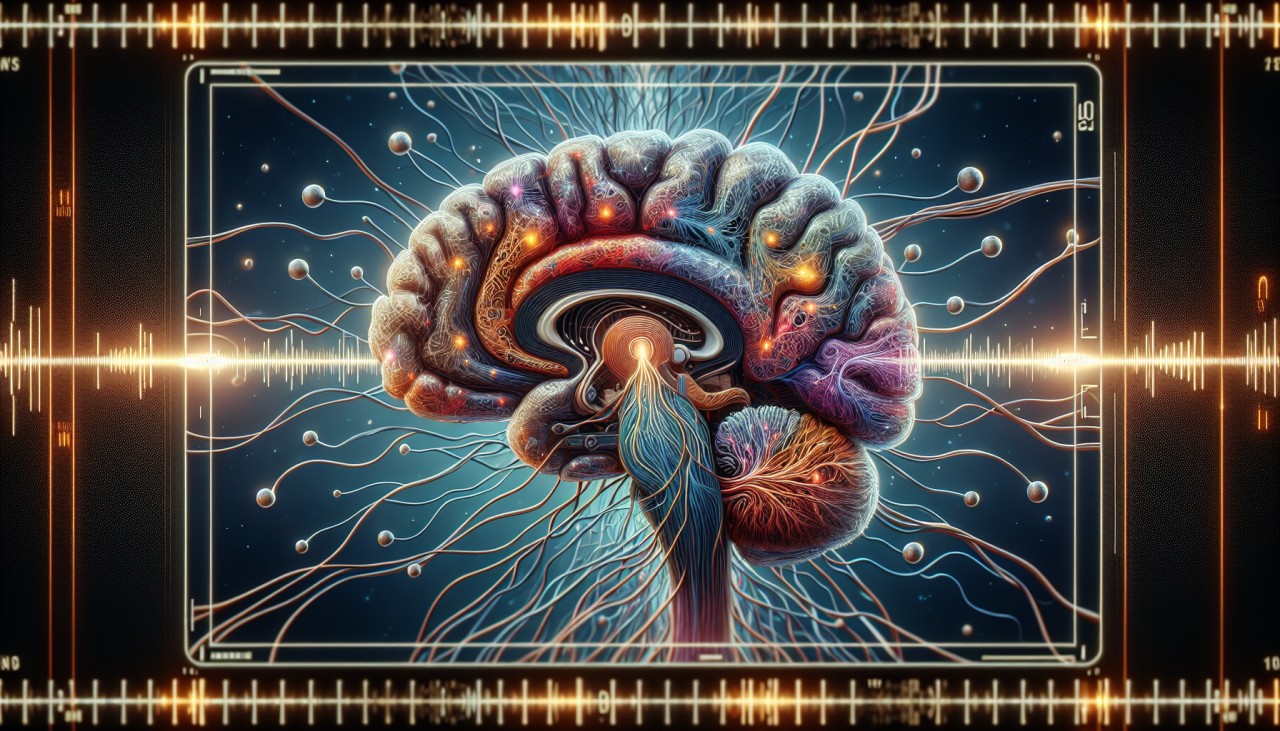
Long-term memory, the repository of our experiences, knowledge, and skills, has long intrigued scientists striving to decode its complexities. Traditionally, it was believed that memories, once formed, remained static within the brain. However, recent research has unveiled a more dynamic picture, revealing that memories are not fixed entities but are subject to continuous modification and reorganization. A pivotal study by neuroscientists at the University of California, Berkeley, utilized advanced recording techniques to monitor the activity of hundreds of neurons simultaneously in freely flying bats. This groundbreaking approach provided unprecedented insights into the neural mechanisms of memory formation. The researchers discovered that memories are not merely stored but are actively reconstructed through a process known as neural replay. This phenomenon involves neurons reactivating in patterns similar to those during the original experience, suggesting that memory consolidation is an ongoing, dynamic process rather than a one-time event. Moreover, the study highlighted the role of theta sequences—rapid, coordinated neural firing patterns—in organizing and directing behavior, offering a glimpse into the temporal dynamics of memory processing. These findings challenge the traditional view of memory as a static archive, proposing instead that our memories are living constructs, continually reshaped by our experiences and interactions. news.berkeley.edu
In parallel, advancements in imaging technologies have enabled researchers to explore the structural aspects of memory formation at unprecedented resolutions. A study supported by the National Institutes of Health employed cutting-edge imaging techniques to reconstruct the features underlying learning and memory in the mouse brain. The researchers observed that neurons involved in memory formation reorganized their connections through multi-synaptic boutons—complex structures where a single neuron forms synapses with multiple other neurons. This reorganization suggests a high degree of flexibility in how memories are encoded and stored, allowing for efficient information processing and retrieval. Additionally, the study found that neurons allocated to a memory trace did not preferentially connect with each other, challenging the traditional "neurons that fire together, wire together" principle. Instead, these neurons exhibited a more distributed and flexible network of connections, indicating that memory formation involves complex, non-linear interactions within neural circuits. These insights into the cellular and subcellular mechanisms of memory formation provide a more nuanced understanding of how experiences are transformed into lasting memories, highlighting the brain's remarkable capacity for adaptation and learning. nimh.nih.gov
The dynamic nature of memory is further exemplified by the phenomenon of hippocampal representational drift. Traditionally, place cells in the hippocampus were thought to maintain stable representations of spatial environments. However, recent studies have shown that these representations can "drift" over time, with neurons shifting their activation patterns even when environmental variables are controlled. This drift suggests that memory representations are not static but are continually updated and reorganized, potentially aiding in distinguishing between similar but distinct experiences. The ability of the brain to adapt and modify memory representations over time underscores the importance of neural plasticity in learning and memory processes. livescience.com
In the realm of cognitive health, understanding the factors that influence memory retention has become a focal point of research. A study presented at the Alzheimer's Association International Conference 2025 revealed a significant link between early-life environmental lead exposure and memory problems in older adults. The research analyzed data from over 600,000 adults aged 65 and older and found that individuals who grew up in areas with high atmospheric lead levels between 1960 and 1974 were 20% more likely to report memory issues later in life. This finding highlights the long-term impact of environmental factors on cognitive health and underscores the importance of addressing such exposures to mitigate future memory decline. prnewswire.com
These studies collectively challenge the traditional view of memory as a static repository, presenting a more dynamic and flexible understanding of how memories are formed, stored, and retrieved. The brain's capacity for reorganization and adaptation in response to experiences and environmental factors underscores the importance of continuous learning and mental engagement in maintaining cognitive health. As research progresses, it is anticipated that these insights will inform the development of interventions and strategies aimed at enhancing memory retention and mitigating cognitive decline.
[Paragraph 2]
The evolving understanding of long-term memory has profound implications for both scientific research and practical applications in daily life. Recognizing that memories are not static but are continually reshaped by our experiences opens new avenues for cognitive enhancement and therapeutic interventions. For instance, the concept of "mental time travel," which involves mentally recreating the context in which a memory was formed, has been shown to rejuvenate fading memories. A study published in the Proceedings of the National Academy of Sciences demonstrated that recalling the emotions and context from the time of learning can significantly boost memory recall, particularly shortly after the memory is formed. Participants who employed time-travel strategies within four to 24 hours of learning exhibited substantial memory recovery, suggesting that actively revisiting and re-experiencing learned material can reinforce memory traces and enhance retention. livescience.com
Incorporating such strategies into daily routines can be a practical approach to improving memory retention. For example, after learning new information or experiencing an event, taking a few moments to mentally revisit the context and emotions associated with that experience can strengthen the memory trace. This practice aligns with the brain's natural mechanisms for memory consolidation and can be particularly effective when done shortly after the initial learning phase. Additionally, engaging in activities that promote neural plasticity, such as regular physical exercise, social interactions, and continuous learning, can further support memory health. Research has shown that sustained social interaction, for instance, can help preserve brain function during the aging process. A study involving aged rats demonstrated that those housed in social groups performed significantly better on memory and decision-making tasks compared to those housed alone, suggesting that social engagement plays a crucial role in maintaining cognitive abilities. aging-us.org
Technological advancements also offer tools to aid in memory enhancement. Digital interventions, such as brain-training games and cognitive exercises, have been developed to target specific memory functions. For example, the University of California, San Francisco, is conducting a clinical trial to assess the effectiveness of digital interventions in improving long-term memory performance in older adults. Participants engage in digital activities designed to enhance cognitive functions, with assessments conducted remotely to monitor progress. Such interventions leverage the brain's capacity for plasticity and adaptation, providing accessible means to support memory health. clinicaltrials.ucsf.edu
Furthermore, understanding the environmental factors that influence memory can inform lifestyle choices. The link between early-life lead exposure and later memory problems underscores the importance of creating environments that minimize exposure to neurotoxic substances. Advocating for policies that reduce environmental pollutants and promoting awareness about their potential impact on cognitive health can contribute to better memory outcomes across populations. prnewswire.com
In summary, the dynamic nature of long-term memory, as revealed by recent research, offers promising avenues for enhancing cognitive health. By adopting strategies that reinforce memory consolidation, engaging in activities that promote neural plasticity, utilizing technological tools designed for cognitive enhancement, and fostering environments that support brain health, individuals can actively contribute to maintaining and improving their memory functions. As our understanding of memory continues to evolve, integrating these insights into daily life holds the potential to mitigate cognitive decline and enhance overall well-being.
Key Takeaways
- Memories are dynamic and continually reshaped by experiences.
- "Mental time travel" can rejuvenate fading memories.
- Social interactions play a crucial role in maintaining cognitive abilities.
- Digital interventions can support memory enhancement.
- Environmental factors, like lead exposure, impact long-term memory.
Example
To enhance your memory retention, consider incorporating "mental time travel" into your daily routine. After learning new information or experiencing an event, take a few moments to mentally revisit the context and emotions associated with that experience. This practice can strengthen the memory trace and improve recall. Additionally, engaging in regular physical exercise, maintaining social connections, and utilizing brain-training apps can further support cognitive health.