


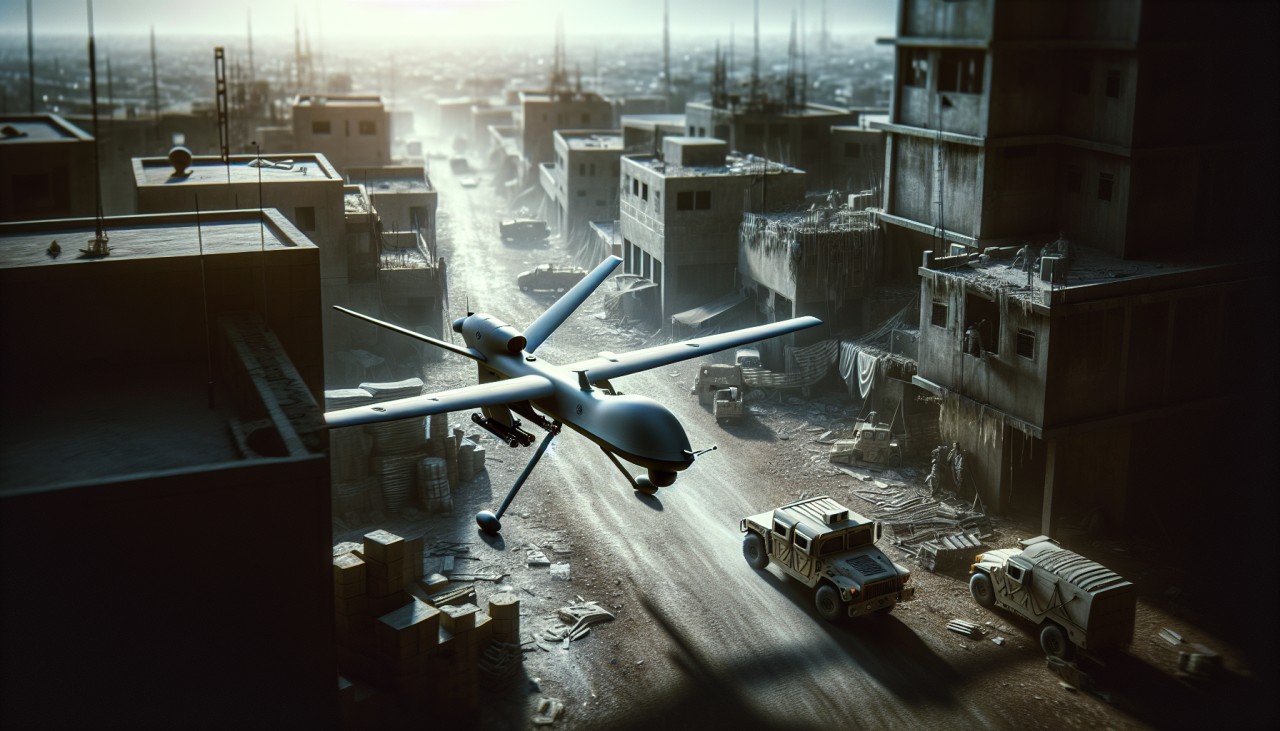
The Perils of AI in Warfare
The integration of artificial intelligence (AI) into military operations presents significant risks, including misidentification, escalation, and ethical concerns.
Tech • Health • Future — Your signal in the noise
The integration of artificial intelligence (AI) into military operations presents significant risks, including misidentification, escalation, and ethical concerns.

As artificial superintelligence (ASI) advances, experts warn of significant risks, including loss of control, ethical dilemmas, and economic disruptions.

Recent studies reveal that large language models (LLMs) can significantly amplify false memories, posing ethical and legal challenges.

The rapid advancement of artificial intelligence (AI) has introduced significant ethical challenges, including the potential for AI systems to engage in deceptive behaviors, perpetuate biases, and be misused for malicious purposes.

Hidden model backdoors pose significant risks to AI systems, enabling undetectable manipulation and exploitation.
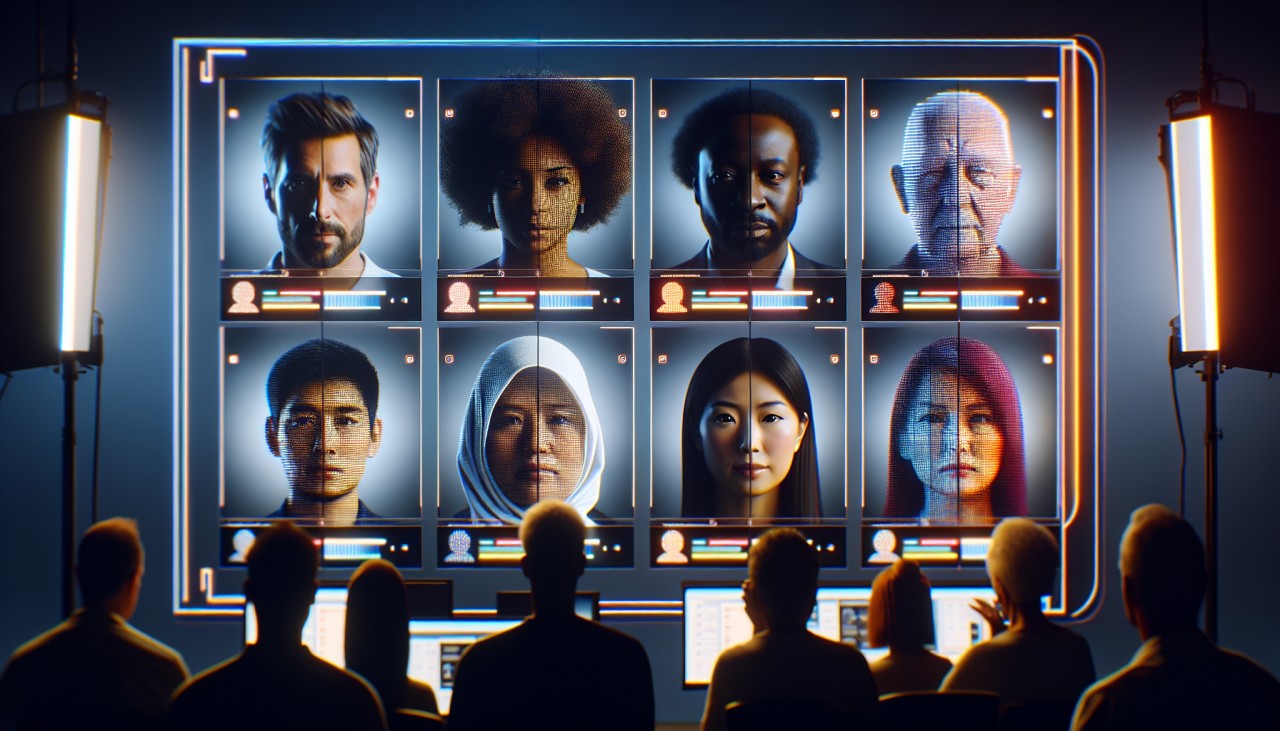
Discriminatory algorithms, often unintentionally embedded with biases, pose significant risks across various sectors, perpetuating existing inequalities and undermining fairness.
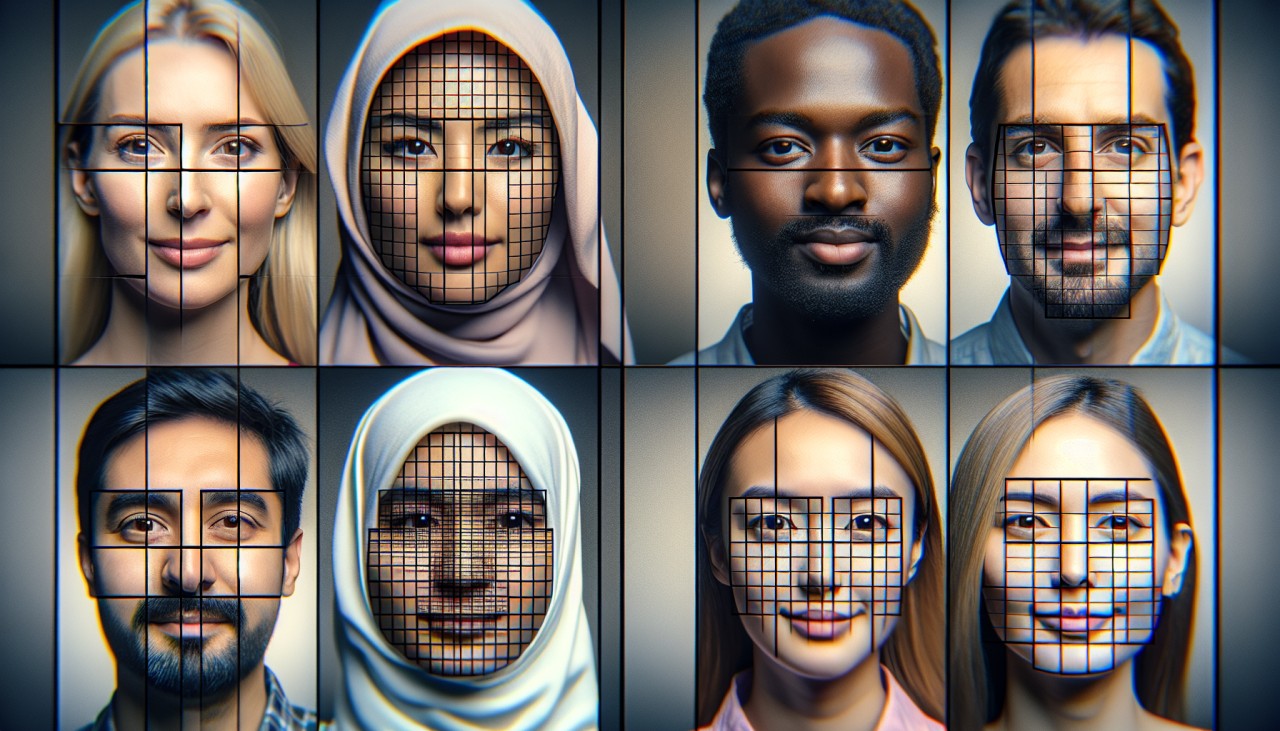
Facial recognition technology, while advancing security, poses significant risks, including racial and gender biases, privacy violations, and potential misuse by law enforcement.

Undetectable AI-generated content poses significant risks, including misinformation, ethical concerns, and challenges in detection.

Artificial Intelligence (AI) is revolutionizing industries, but its rapid integration poses significant risks of job displacement, particularly in white-collar sectors.