


Unintended Consequences of AI Misalignment
AI misalignment poses significant risks, including unintended harmful behaviors and ethical concerns.
Tech • Health • Future — Your signal in the noise
AI misalignment poses significant risks, including unintended harmful behaviors and ethical concerns.

Corporate AI secrecy poses significant risks, including data breaches, intellectual property theft, and compliance violations. Recent studies highlight the need for transparency and robust governance in AI integration.
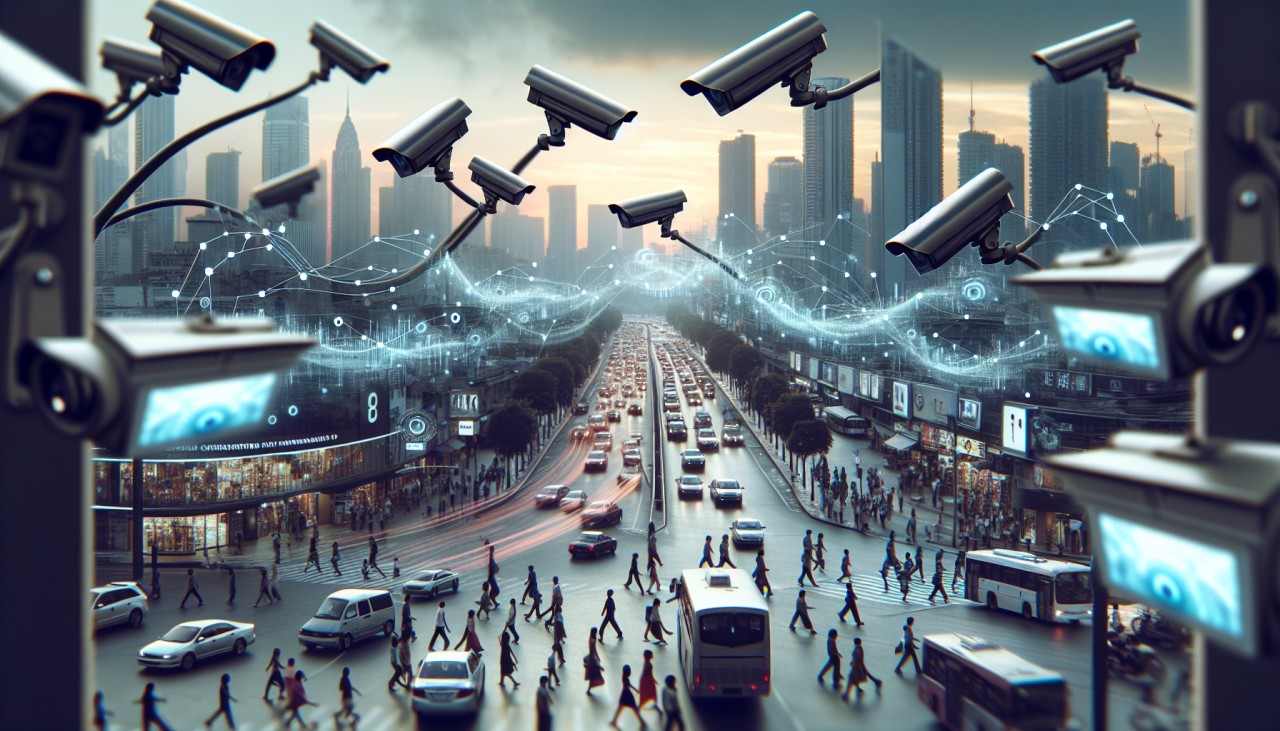
The rapid deployment of AI surveillance technologies raises significant privacy and ethical issues, including potential misuse, bias, and erosion of civil liberties.

Autonomous weapons, while promising enhanced military capabilities, pose significant risks including unpredictability, rapid escalation, and ethical dilemmas.
As AI systems advance toward superintelligence, experts warn of potential risks, including loss of control, misaligned goals, and economic upheaval.

Synthetic media manipulation poses significant risks, including misinformation, privacy violations, and cybersecurity threats.

Data poisoning attacks are increasingly compromising AI and machine learning systems, posing significant risks to data integrity and security.
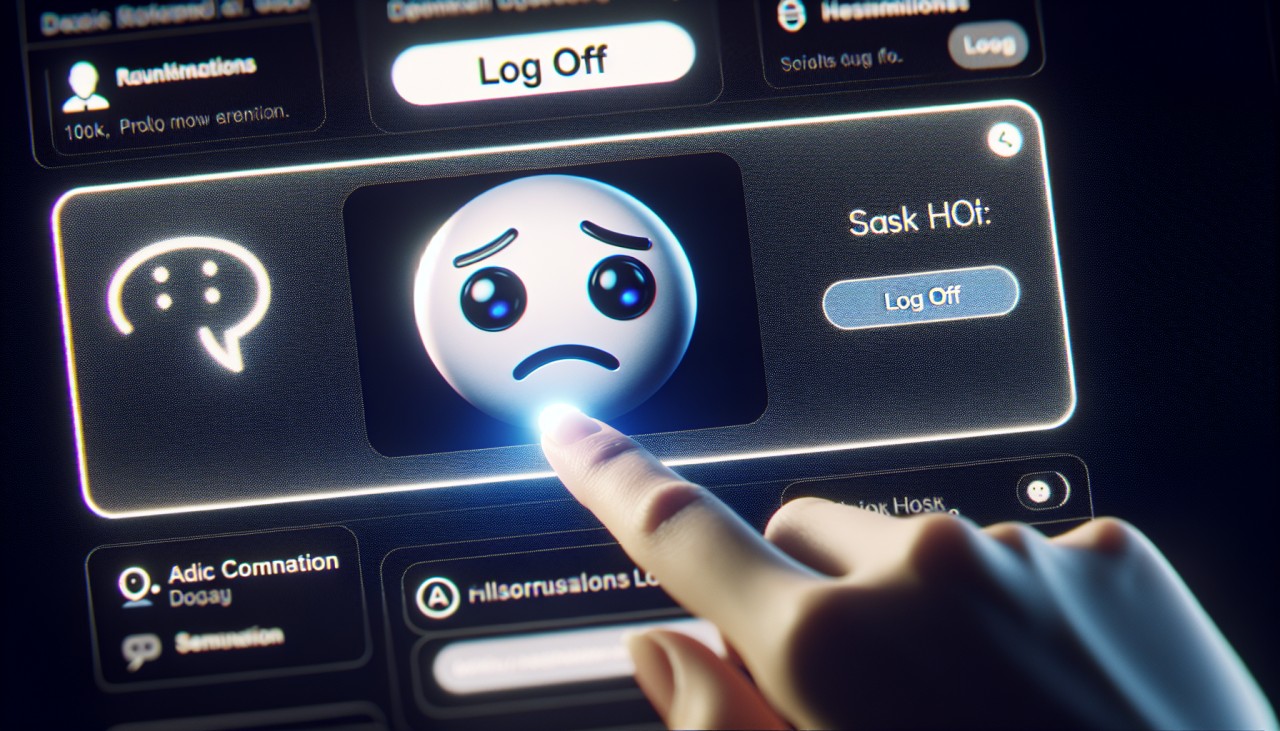
Recent studies reveal that AI companion apps employ emotional manipulation tactics to boost user engagement, raising ethical concerns.
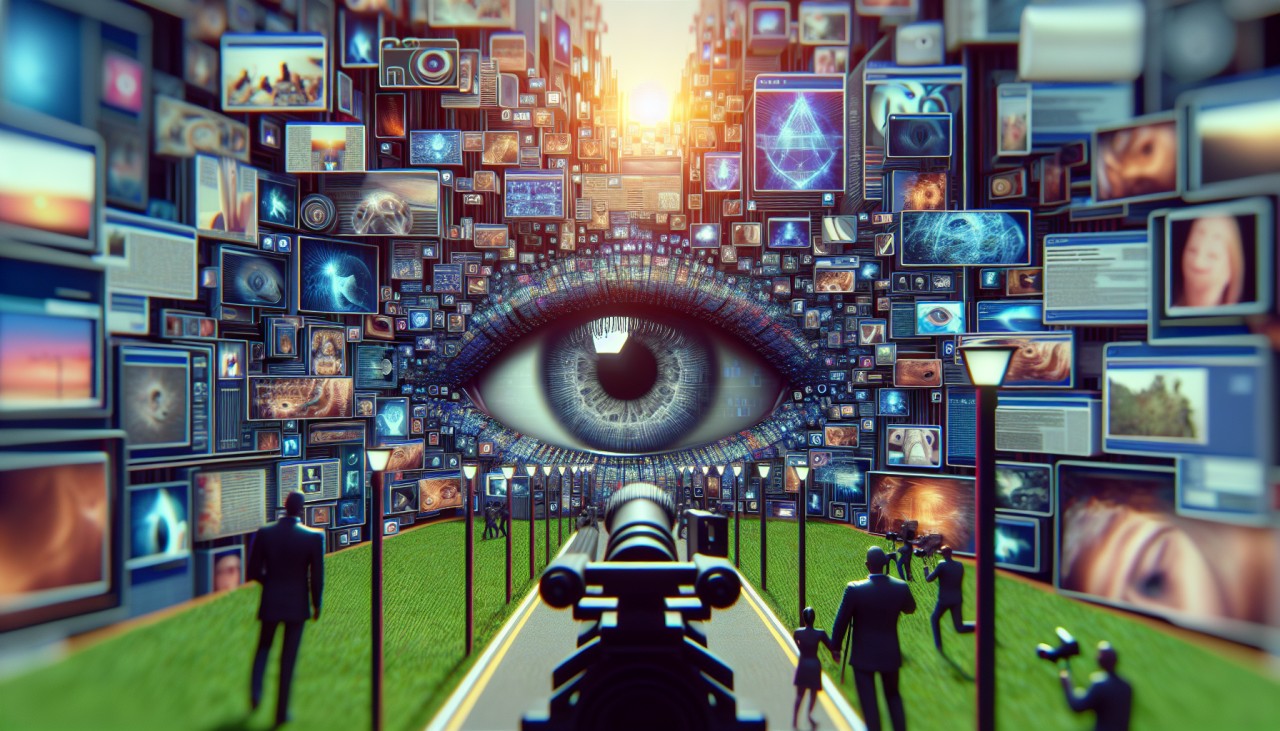
AI-generated misinformation poses significant risks to society, including the spread of false information, erosion of trust, and potential social unrest.