



Quality Over Quantity: A Modern Approach
Embracing quality over quantity leads to improved well-being, productivity, and financial health.

Tech • Health • Future — Your signal in the noise
Embracing quality over quantity leads to improved well-being, productivity, and financial health.

"Extreme Ownership" by Jocko Willink and Leif Babin offers a compelling exploration of leadership principles drawn from the authors' experiences as U.S. Navy SEALs. The book emphasizes taking full responsibility for one's actions and decisions, both in military and civilian contexts. Through real-life anecdotes and practical applications, Willink and Babin provide readers with actionable strategies to enhance leadership skills and foster high-performing teams.

Incorporating short, voluntary breaks into your workday can enhance focus, reduce stress, and improve overall productivity.
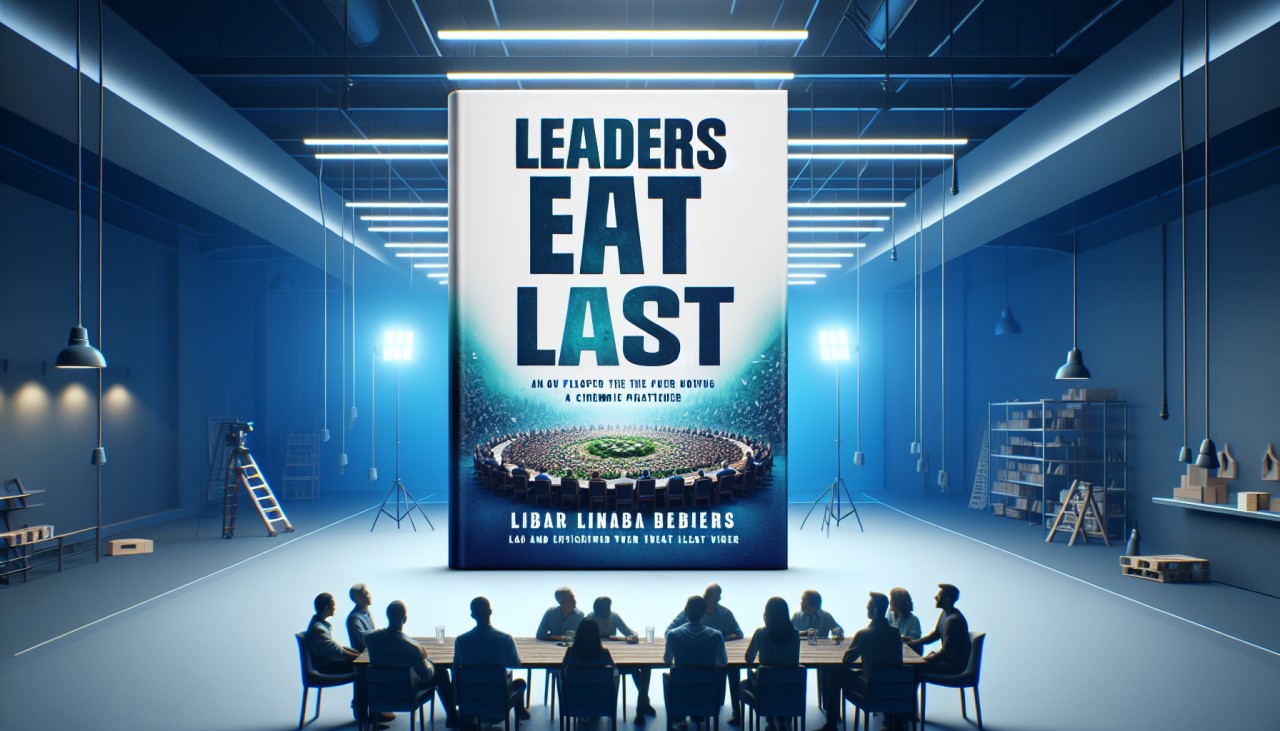
In "Leaders Eat Last," Simon Sinek explores the dynamics of leadership and organizational success, emphasizing the importance of creating environments where individuals feel safe, valued, and motivated to contribute their best. Drawing on biological insights and real-world examples, Sinek presents a compelling case for leadership that prioritizes the well-being of team members.

Embracing modern tools and habits can significantly enhance your energy budgeting, leading to cost savings and a smaller carbon footprint.

In "Ego Is the Enemy," Ryan Holiday explores how our own ego can hinder personal and professional growth. Drawing from historical figures and philosophical insights, he offers practical advice on managing ego to achieve success.

Discover effective strategies to optimize your daily commute, reduce stress, and enhance productivity.

In "Zero to One," Peter Thiel presents a compelling guide for entrepreneurs aiming to create groundbreaking innovations. He emphasizes the importance of developing unique products that move from "zero to one," rather than making incremental improvements. Thiel argues that true progress comes from creating something entirely new, not just copying existing ideas. He also challenges the conventional wisdom that competition is inherently good, suggesting instead that monopolies drive long-term profitability and innovation. The book offers practical advice on building successful startups, including focusing on a small, niche market, assembling a cohesive team, and prioritizing sales and distribution alongside product development.

The cash envelope method, a budgeting technique from the 1950s, is experiencing a resurgence as individuals seek tangible ways to manage their finances effectively.