


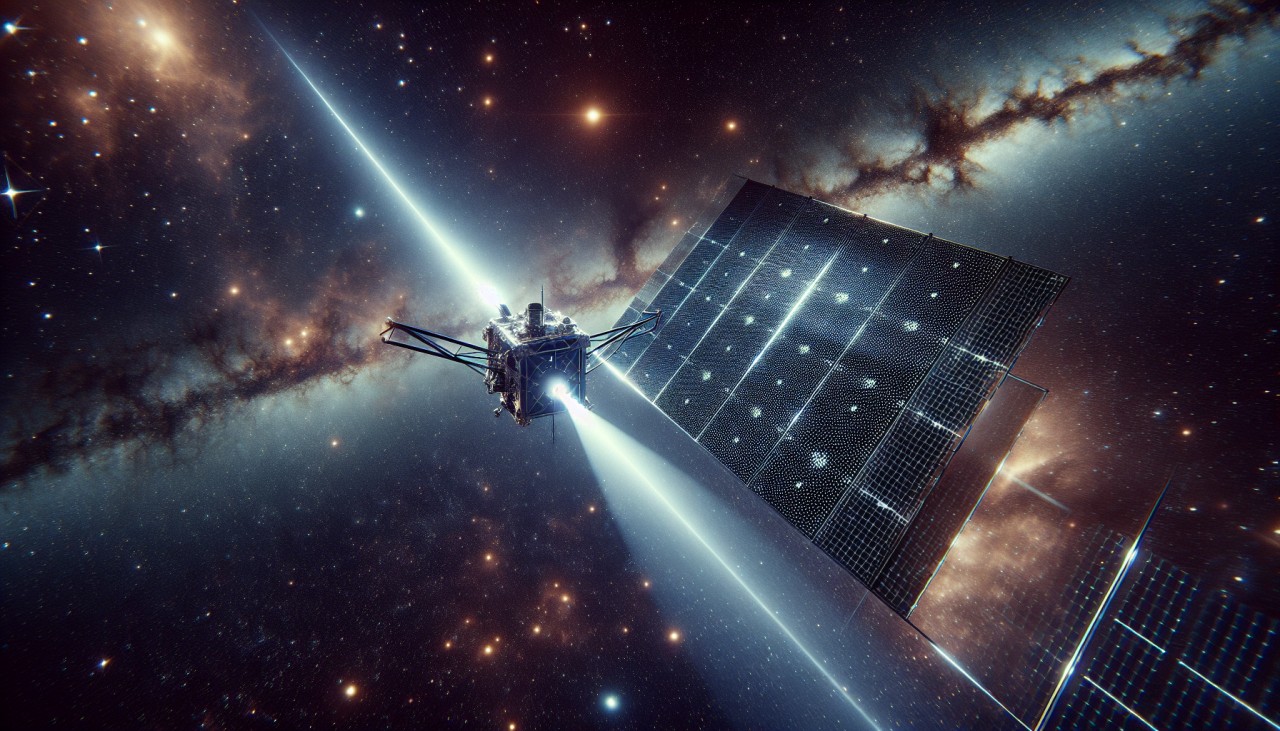
New Paths to the Stars
Recent advancements in interstellar travel technologies, including graphene light sails and photonic propulsion, are bringing the dream of reaching distant stars closer to reality.

Tech • Health • Future — Your signal in the noise
Recent advancements in interstellar travel technologies, including graphene light sails and photonic propulsion, are bringing the dream of reaching distant stars closer to reality.
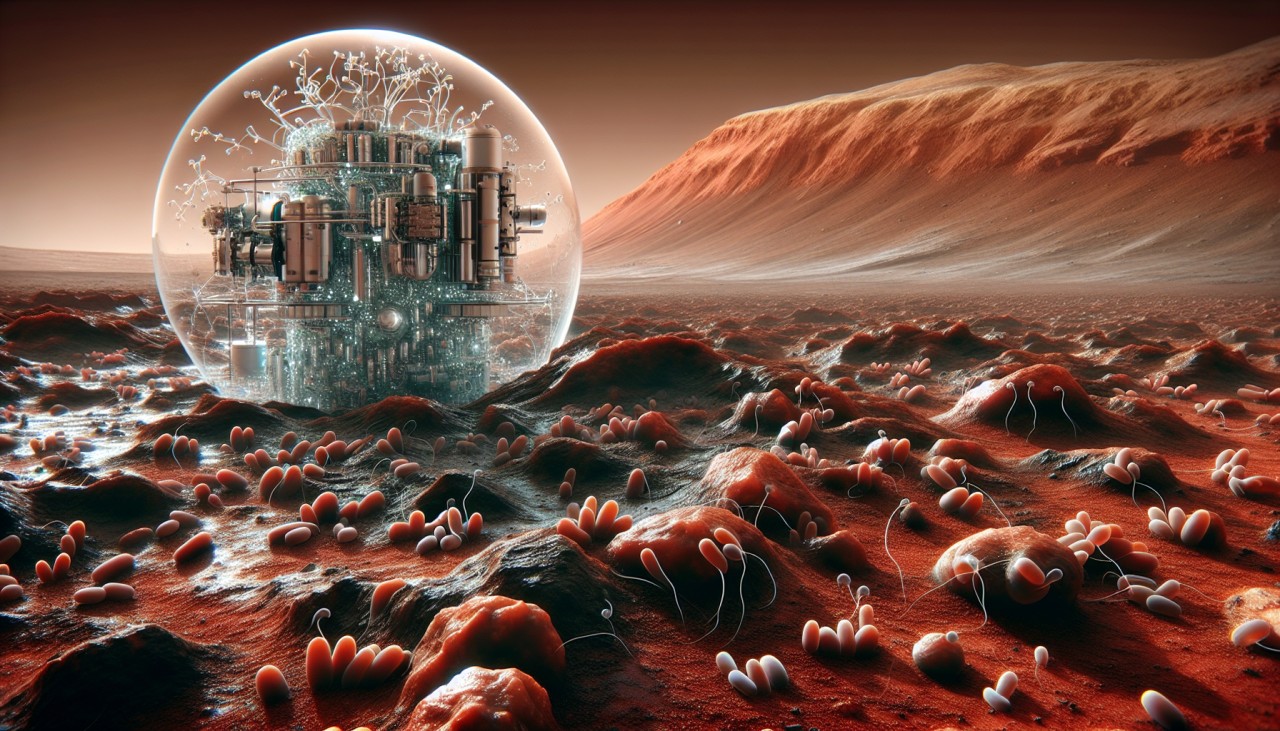
Engineers at the University of California, Irvine, inspired by cyanobacteria's nutrient extraction from rocks, are exploring how microbes could assist in constructing habitats on Mars.

Recent discoveries reveal vast subsurface oceans on Earth and other celestial bodies, reshaping our understanding of water distribution and potential habitats.
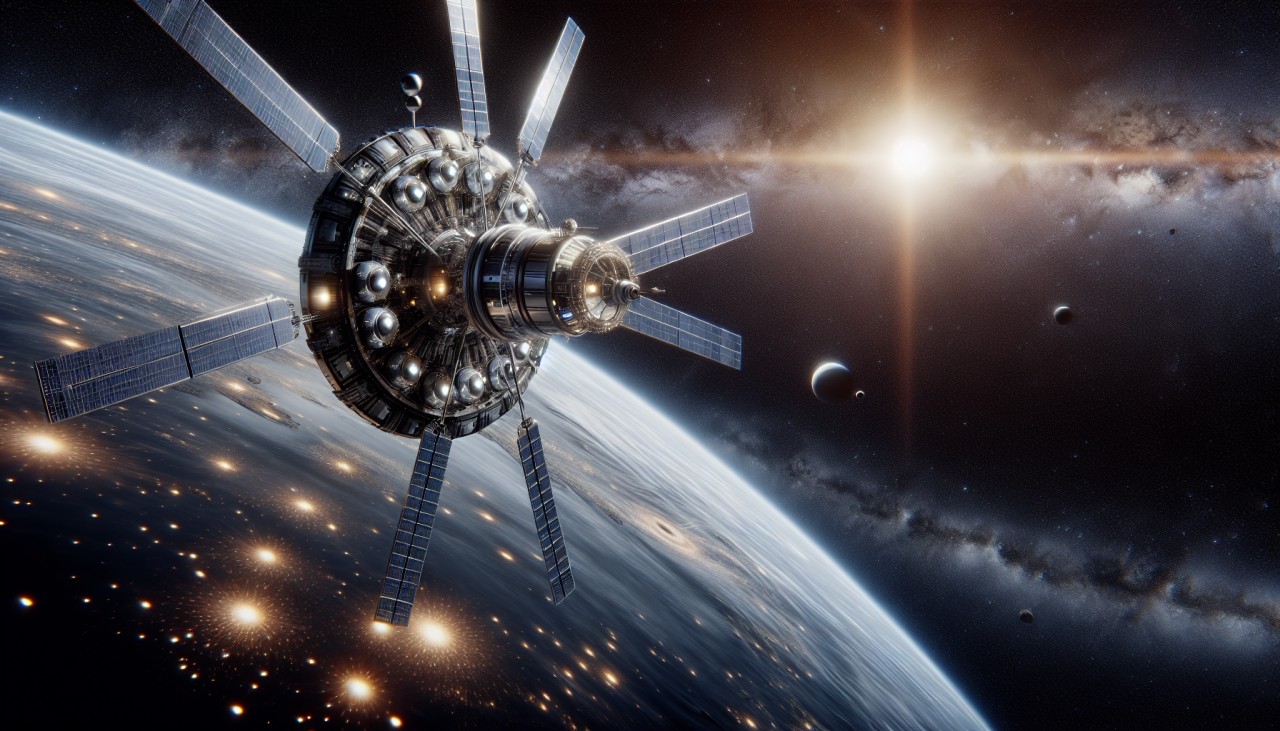
NASA's Interstellar Mapping and Acceleration Probe (IMAP) is set to launch in 2025, aiming to explore the boundaries of our solar system and the interstellar medium.

Quantum dots are emerging as a promising technology to enhance satellite defense by creating decoy clouds that confuse enemy sensors.

Recent studies suggest dark energy, the force accelerating the universe's expansion, may be evolving over time, challenging previous assumptions.
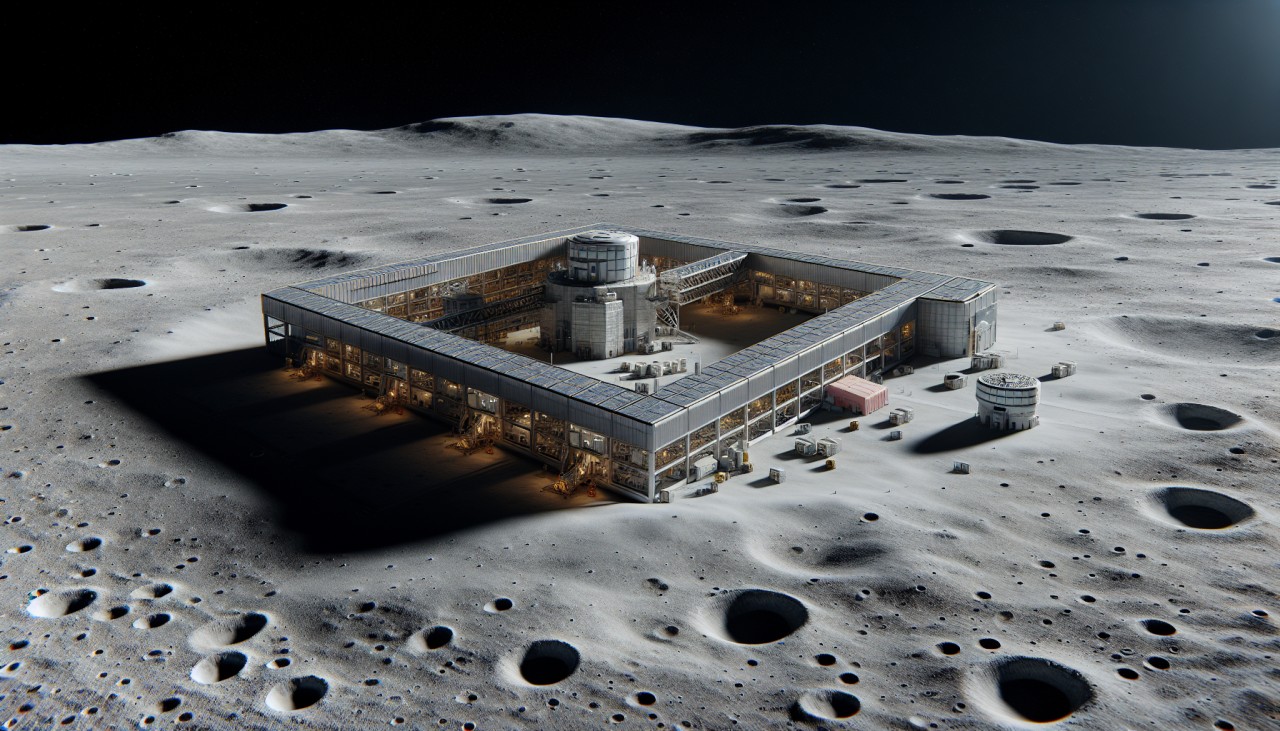
Chinese researchers have developed "lunar bricks" made from materials similar to lunar soil, aiming to construct future lunar bases.

Antimatter propulsion offers a promising avenue for interstellar travel, potentially revolutionizing our exploration of the cosmos.

Recent advancements in technology are significantly improving the search for extraterrestrial life, with new tools and missions offering promising results.