



The Dark Side of Predictive Policing AI
Predictive policing AI, designed to forecast criminal activity, raises significant ethical concerns, including racial bias, lack of transparency, and potential privacy violations.
Tech • Health • Future — Your signal in the noise
Predictive policing AI, designed to forecast criminal activity, raises significant ethical concerns, including racial bias, lack of transparency, and potential privacy violations.

AI's role in propaganda poses significant risks, including the spread of misinformation, erosion of trust, and potential manipulation of public opinion.

As artificial intelligence evolves, the risk of autonomous AI systems operating beyond human control grows, posing significant threats to society.

Artificial intelligence's role in content moderation raises significant concerns about free speech and information integrity.
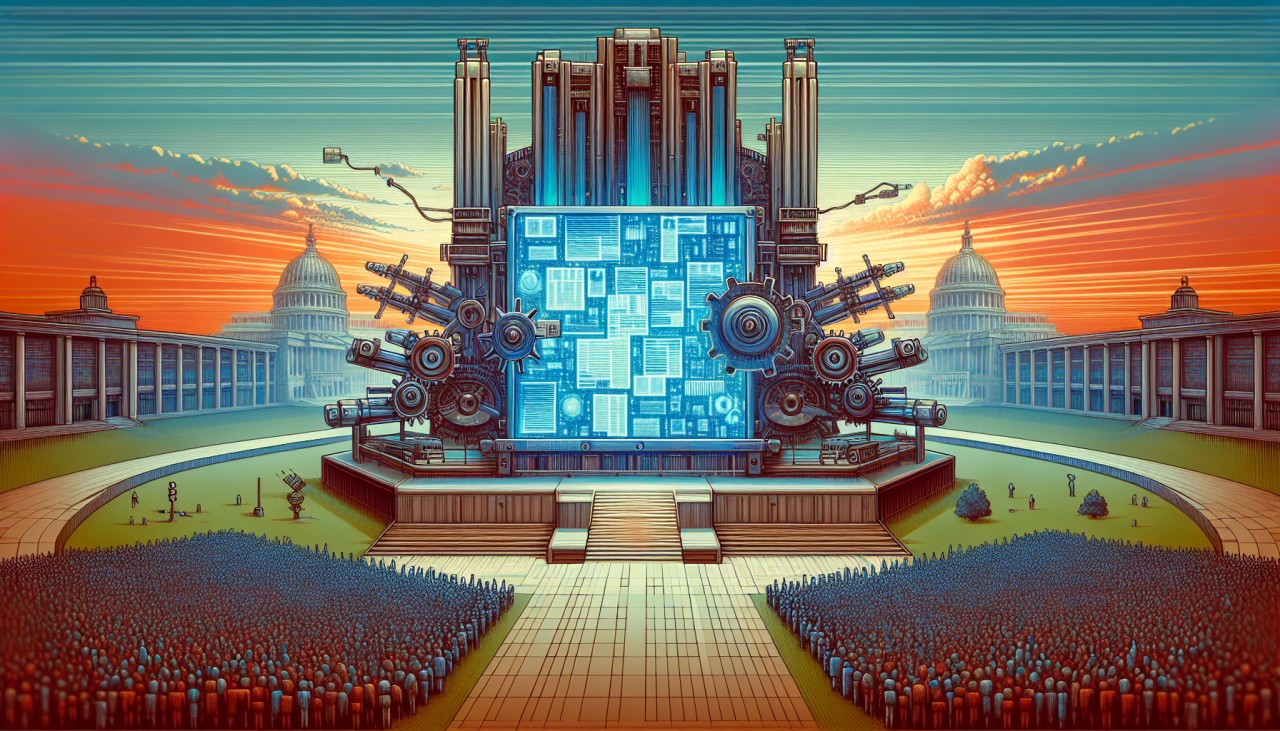
AI-generated misinformation poses significant risks to society, including manipulation of public opinion, erosion of journalistic integrity, and threats to financial stability.

Recent studies reveal that large language models (LLMs) can inadvertently induce false memories in users, raising concerns about their application in sensitive contexts.

Deepfake technology, while offering innovative applications, poses significant risks to individuals and organizations, including financial fraud, reputation damage, and privacy violations.
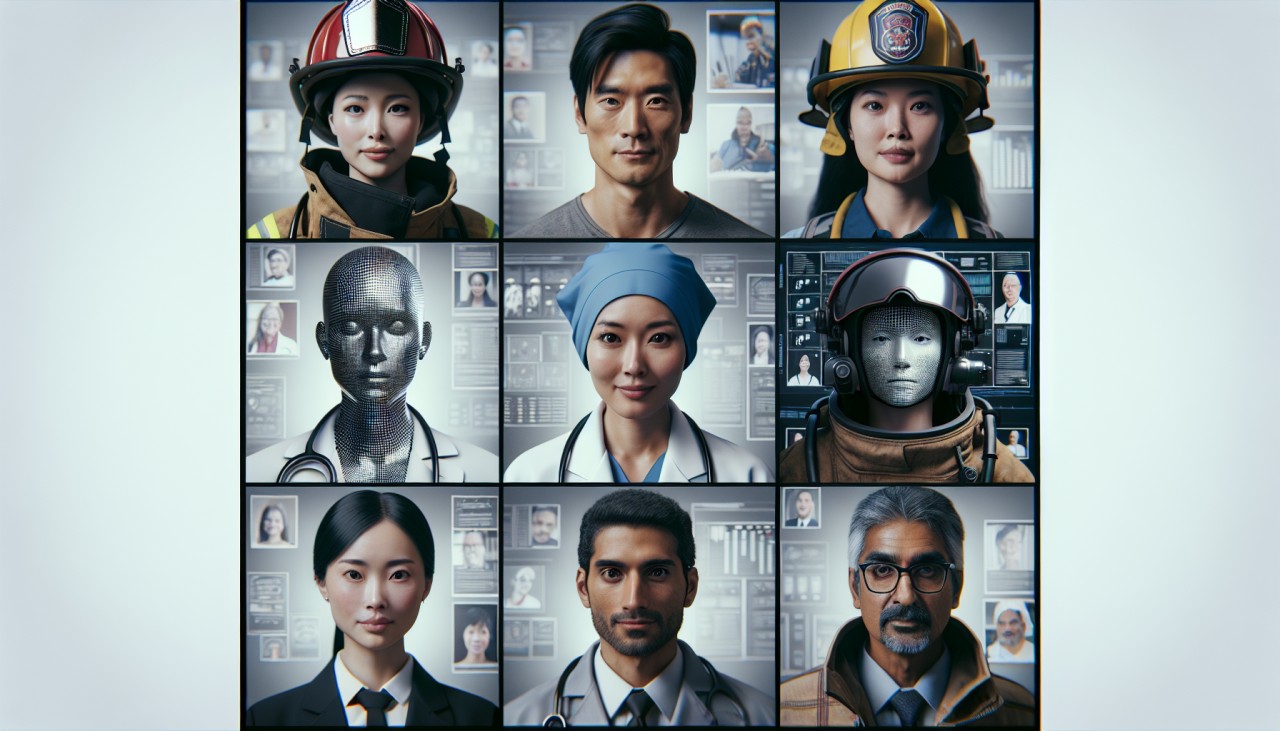
Recent studies reveal significant gender and racial biases in AI-generated images, raising concerns about the ethical implications of AI deployment.

Open-source AI models, while fostering innovation, pose significant security threats due to their unrestricted accessibility and potential for misuse.