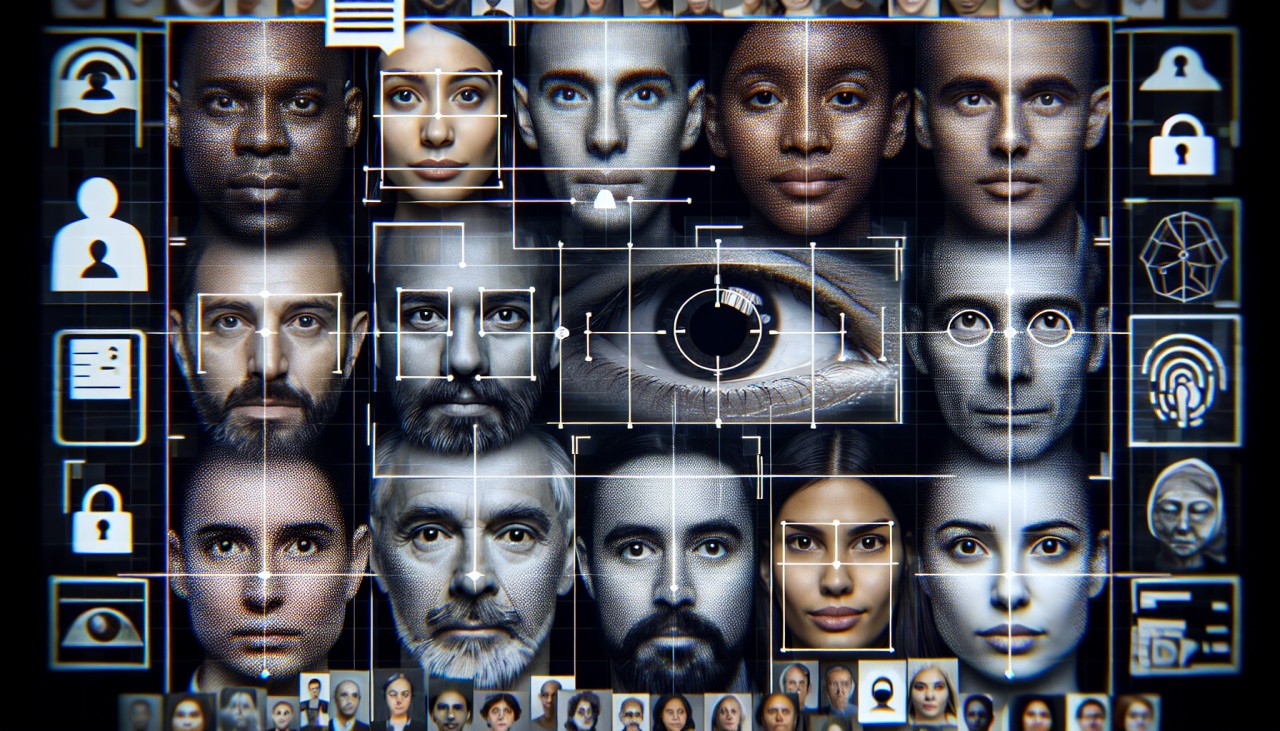
In recent years, emotion recognition technology has emerged as a groundbreaking tool with applications spanning from marketing and customer service to security and healthcare. By analyzing facial expressions, voice tones, and physiological responses, these systems claim to interpret human emotions with remarkable accuracy. Proponents argue that such technology can enhance user experiences, improve mental health diagnostics, and even assist in law enforcement. However, beneath this veneer of innovation lies a complex web of ethical, legal, and social concerns that demand our immediate attention.
One of the most pressing issues is the invasion of privacy. Emotion recognition systems often operate without explicit consent, capturing and analyzing individuals' emotional data without their knowledge. This covert data collection raises significant questions about personal autonomy and the right to control one's own emotional information. Unlike traditional data collection methods, which typically involve some form of user agreement, emotion recognition can occur in public spaces or through devices that individuals may not even realize are monitoring them. This ubiquitous surveillance blurs the lines between public and private life, eroding the sanctity of personal boundaries.
Moreover, the accuracy and reliability of emotion recognition technologies are far from flawless. Studies have shown that these systems can misinterpret emotions, especially when analyzing diverse populations. Factors such as cultural differences, individual idiosyncrasies, and contextual nuances can lead to erroneous readings. For instance, a study published in the journal "Science" highlighted that emotion recognition algorithms often struggle to accurately interpret facial expressions from individuals of different ethnic backgrounds, leading to biased outcomes. This lack of precision not only undermines the effectiveness of the technology but also perpetuates existing societal biases, potentially reinforcing stereotypes and discrimination.
The potential for misuse of emotion recognition technology is another significant concern. In the realm of marketing, companies could exploit emotional data to manipulate consumer behavior, crafting advertisements that prey on individuals' vulnerabilities. In the workplace, employers might use these systems to monitor employees' emotional states, leading to a culture of constant surveillance and eroding trust between workers and management. In more nefarious scenarios, authoritarian regimes could deploy emotion recognition to suppress dissent, identifying and targeting individuals based on their emotional responses during protests or public gatherings. The weaponization of this technology poses a direct threat to fundamental human rights, including freedom of expression and the right to protest.
Legal frameworks currently lag behind the rapid development of emotion recognition technologies. Existing laws often fail to address the complexities introduced by these systems, leaving individuals with limited recourse in cases of misuse. The absence of comprehensive regulations means that companies and governments can deploy emotion recognition tools with minimal oversight, increasing the risk of abuse. Without clear guidelines and accountability measures, there is a danger that the technology could be used in ways that infringe upon individual rights and freedoms.
Furthermore, the psychological impact of constant emotional surveillance cannot be overstated. Knowing that one's emotional state is being monitored can lead to heightened stress and anxiety, potentially altering natural emotional expressions. This phenomenon, known as the "chilling effect," can stifle authentic human interactions and self-expression. Over time, individuals may become conditioned to suppress their true emotions, leading to a loss of personal authenticity and a decline in mental well-being.
In light of these concerns, it is imperative to approach the deployment of emotion recognition technology with caution. Stakeholders, including technologists, ethicists, policymakers, and the public, must engage in open and transparent dialogues to establish ethical guidelines and regulatory frameworks that prioritize individual rights and societal well-being. This collaborative approach is essential to ensure that the benefits of emotion recognition are realized without compromising fundamental human values.
As we stand on the precipice of this technological frontier, it is crucial to balance innovation with ethical responsibility. The allure of emotion recognition technology should not blind us to its potential for harm. By critically examining its implications and implementing safeguards, we can navigate the complexities of this technology and harness its capabilities in a manner that respects and upholds human dignity.
Key Takeaways
- Emotion recognition technology poses significant privacy and ethical concerns.
- Misinterpretation and bias in these systems can lead to discrimination.
- Potential misuse includes manipulation in marketing and surveillance by authoritarian regimes.
- Existing legal frameworks are inadequate to address the challenges posed by this technology.
- Continuous emotional monitoring can negatively impact mental health and personal authenticity.