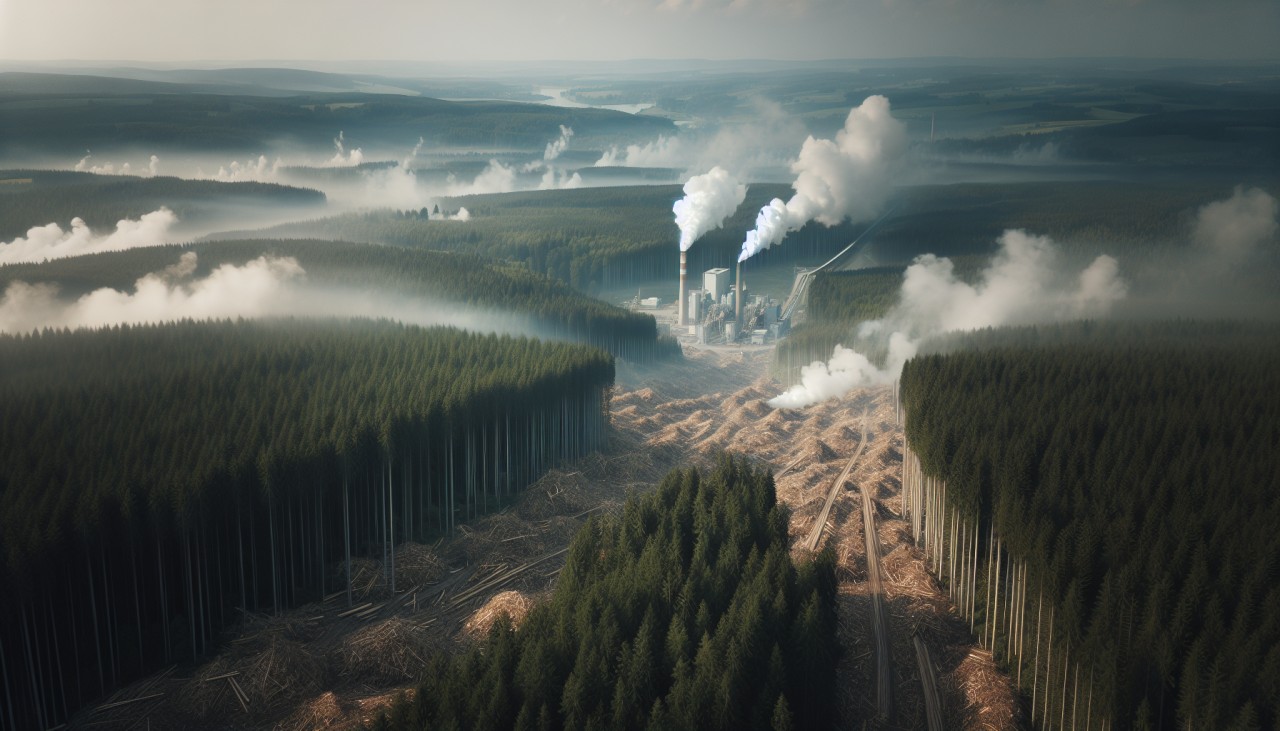
Bioenergy, often hailed as a renewable energy source, is facing scrutiny due to its environmental impact. In the UK and Japan, significant bioenergy projects are under construction, with Japan's capacity set to increase by 36% and the UK's by 20%. These expansions primarily rely on wood pellets, leading to concerns about deforestation in countries like Indonesia, Canada, and the United States. The increased demand for biomass has resulted in rising carbon dioxide emissions from bioenergy plants, challenging the perception of bioenergy as a clean energy alternative. reuters.com
The environmental implications of bioenergy are further highlighted by the situation in Indonesia, where forests are being rapidly cleared to meet global biomass demand. Since 2021, most of this biomass has been exported to South Korea and Japan, which have financially supported Indonesia's biomass development. Environmentalists express concern that weak regulations and oversight may exacerbate deforestation, endangering biodiversity and climate stability. This situation underscores the need for sustainable practices in bioenergy production to mitigate adverse environmental effects. apnews.com
Key Takeaways
- Bioenergy capacity in the UK and Japan is expanding, raising environmental concerns.
- Increased biomass demand leads to deforestation in countries like Indonesia.
- Rising CO₂ emissions from bioenergy plants challenge its clean energy image.
- Weak regulations may exacerbate environmental impacts of bioenergy.
- Sustainable practices are essential to mitigate adverse effects of bioenergy.