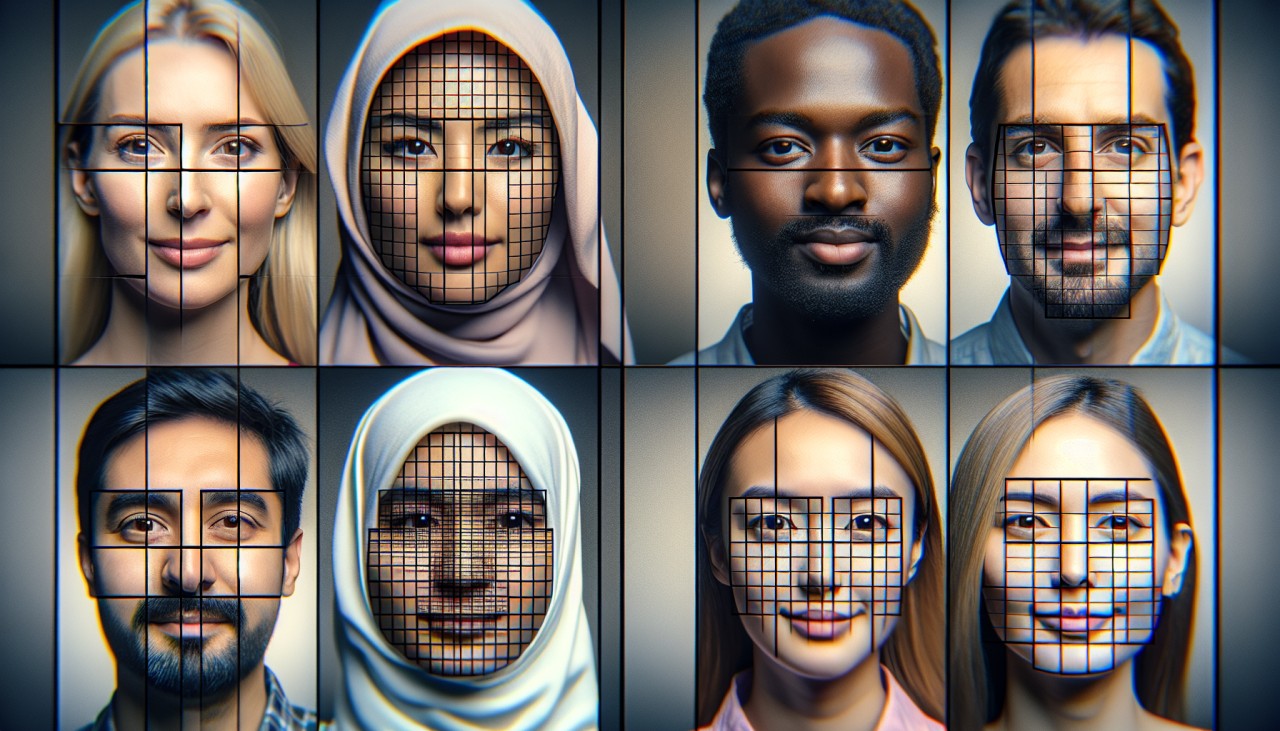
Facial recognition technology has rapidly integrated into various sectors, from law enforcement to retail, promising enhanced security and efficiency. However, recent studies have unveiled alarming biases within these systems. Notably, a 2018 study by Joy Buolamwini and Timnit Gebru found that commercial facial recognition technologies exhibited error rates of up to 35% when identifying darker-skinned women, compared to less than 1% for lighter-skinned men. This disparity is largely attributed to training datasets that overrepresent lighter-skinned individuals, leading to higher error rates for people of color. en.wikipedia.org
The implications of these biases are profound. In 2021, Randal Quran Reid was wrongfully arrested in Georgia due to misidentification by facial recognition technology, highlighting the potential for wrongful arrests and the exacerbation of existing racial disparities in law enforcement. apnews.com Furthermore, the unregulated use of facial recognition by private companies, such as Rite Aid's agreement to a five-year ban on AI-powered facial recognition technology, underscores the need for comprehensive legislation to protect consumers from potential harm. axios.com The Ada Lovelace Institute has called for stricter regulations, emphasizing the urgency of addressing these issues to prevent further erosion of civil liberties. ft.com
Key Takeaways
- Facial recognition systems exhibit significant racial and gender biases, with higher error rates for people of color and women.
- Misidentification can lead to wrongful arrests and reinforce existing racial disparities in law enforcement.
- Unregulated use by private companies necessitates comprehensive legislation to protect consumer rights.
- Advocacy groups are calling for stricter regulations to safeguard civil liberties.