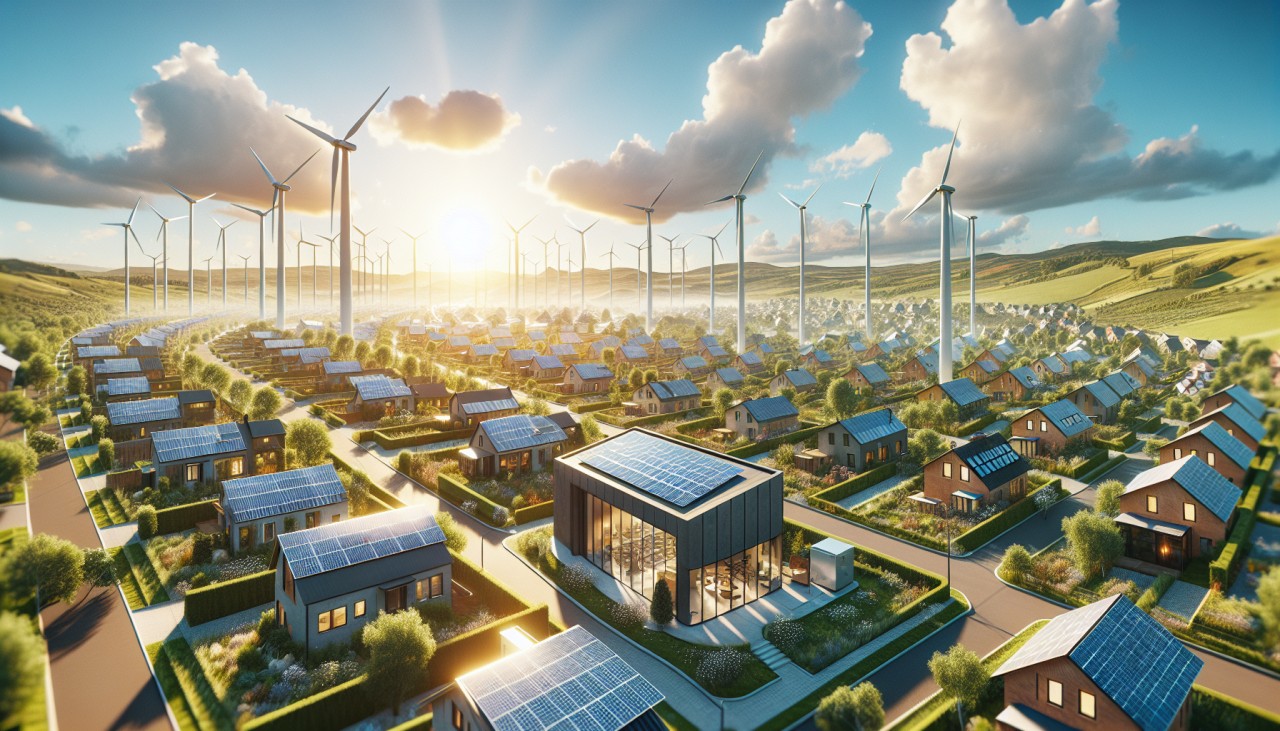
Decentralized energy systems are transforming the traditional power grid by promoting local energy production and consumption. These systems utilize Distributed Energy Resources (DERs) such as rooftop solar panels, small wind turbines, and residential battery storage to generate and store electricity close to where it's used. This approach reduces transmission losses and enhances energy resilience, as communities can maintain power during grid outages. For instance, microgrids—localized energy grids that can operate independently or in conjunction with the main grid—are gaining traction in critical infrastructure like hospitals and data centers, ensuring continuous operation during emergencies. senecaesg.com
The integration of smart technologies further optimizes decentralized energy systems. Virtual Power Plants (VPPs) aggregate various DERs to function as a unified power plant, balancing supply and demand more effectively. By coordinating the output of multiple sources, VPPs can provide reliable power to the grid, enhancing stability and optimizing the use of renewable energy. Additionally, advancements in energy storage solutions, such as lithium-ion and emerging battery technologies, enable the storage of intermittent renewable energy, ensuring a consistent power supply even during outages. lincolninternational.com
Key Takeaways
- Decentralized energy systems utilize local renewable resources like solar and wind.
- Microgrids provide energy resilience during grid outages.
- Virtual Power Plants aggregate DERs to balance supply and demand.
- Advanced energy storage solutions ensure consistent power supply.
- Smart technologies optimize decentralized energy system performance.