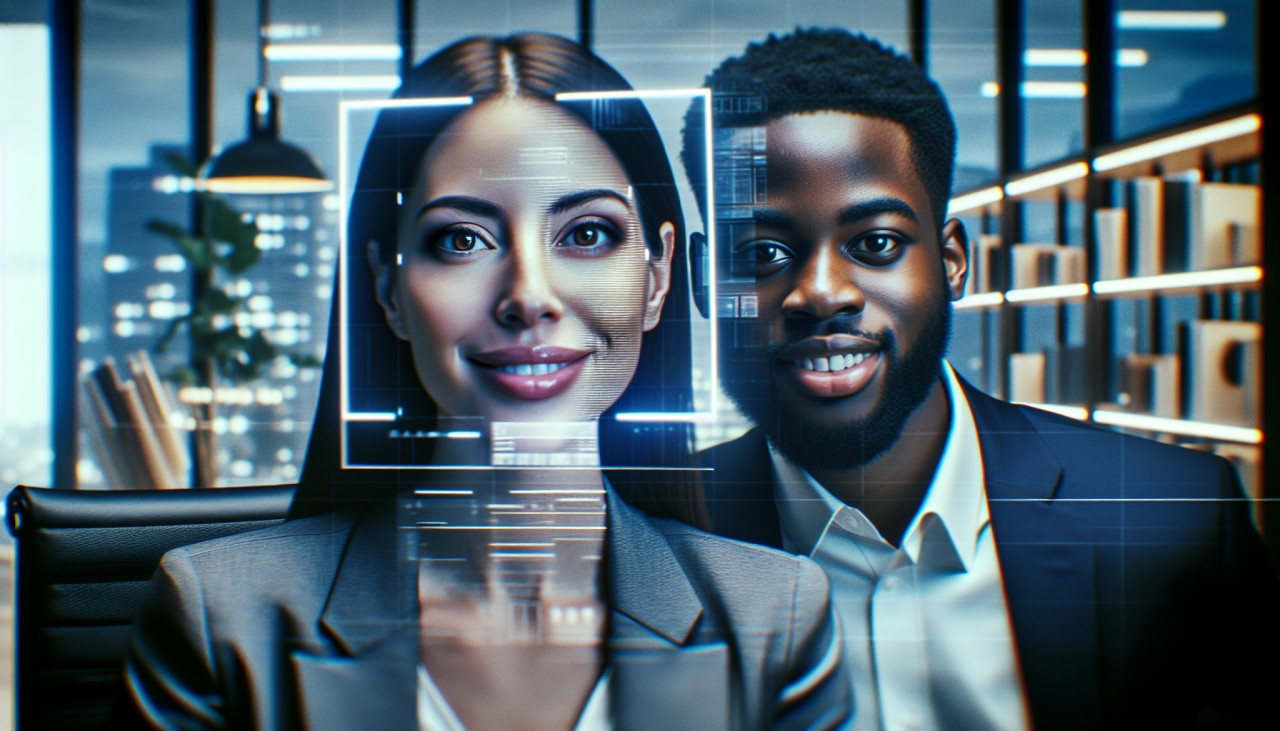
In the ever-evolving landscape of cybersecurity, deepfake technology has emerged as a formidable tool for cybercriminals, particularly in the realm of social engineering attacks. Deepfakes—manipulated audio, video, or images generated by artificial intelligence—have transitioned from a niche concern to a mainstream threat, exploiting human trust and technological vulnerabilities. This transformation is reshaping the tactics employed by cyber attackers, making traditional security measures increasingly inadequate.
The integration of deepfake technology into social engineering attacks has led to a surge in sophisticated scams that are both convincing and difficult to detect. Cybercriminals now craft hyper-realistic audio and video content to impersonate trusted individuals within an organization, such as executives, colleagues, or vendors. This method effectively bypasses conventional security protocols by targeting the human element—the most unpredictable and often the weakest link in cybersecurity defenses.
A notable example of this trend occurred in 2024 when a Hong Kong-based financial institution fell victim to a deepfake scam. An employee received a video call from an individual who appeared to be the company's Chief Financial Officer (CFO). The deepfake was so convincing that the employee authorized a transfer of $25 million to a fraudulent account. This incident underscores the potential scale and impact of deepfake-enabled social engineering attacks. proofpoint.com
The proliferation of deepfake technology has also led to a significant increase in the frequency and sophistication of these attacks. According to a 2025 report by Entrust, a deepfake attack attempt occurs every five minutes, and deepfakes already account for 40% of all biometric fraud. lumificyber.com This alarming statistic highlights the urgency for organizations to reassess their cybersecurity strategies and implement more robust defenses against such advanced threats.
The rise of deepfake-driven social engineering attacks is not confined to financial institutions. Various sectors, including manufacturing, retail, and telecommunications, have reported incidents where deepfakes were used to impersonate executives or vendors, leading to unauthorized transactions and data breaches. For instance, in 2024, a major logistics company experienced a security breach after a fake IT support agent, created using deepfake technology, messaged employees, asking them to "reset their VPN credentials." This led to network infiltration and data theft. iflockconsulting.com
The impact of deepfake social engineering extends beyond immediate financial losses. Organizations face reputational damage, regulatory scrutiny, and operational disruptions. The ability of deepfakes to manipulate human trust poses a significant challenge, as traditional security measures often fail to detect such sophisticated attacks. This necessitates a paradigm shift in cybersecurity approaches, emphasizing the need for advanced detection mechanisms and comprehensive employee training programs.
To combat the threat of deepfake-driven social engineering, organizations must adopt a multifaceted strategy. First, implementing advanced detection tools capable of identifying deepfake content is crucial. Technologies like Vastav AI, developed by Zero Defend Security, utilize machine learning and forensic analysis to detect manipulated media, providing an additional layer of defense. en.wikipedia.org
Second, organizations should invest in continuous employee education and awareness programs. Regular training sessions can equip staff with the knowledge to recognize and respond to deepfake-based attacks. This proactive approach can significantly reduce the risk of successful social engineering attempts.
Third, establishing stringent verification protocols is essential. Multi-factor authentication (MFA) and other robust verification methods can help ensure that requests for sensitive actions are legitimate. However, it's important to note that attackers are increasingly targeting MFA systems, employing tactics like MFA fatigue attacks to overwhelm users into approving fraudulent requests. comparecheapssl.com Therefore, organizations must continually assess and enhance their authentication processes to stay ahead of evolving threats.
Furthermore, organizations should collaborate with cybersecurity experts and industry peers to share information about emerging threats and effective countermeasures. This collaborative approach can lead to the development of more effective defense strategies and a more resilient cybersecurity posture.
In conclusion, the integration of deepfake technology into social engineering attacks represents a significant evolution in cyber threats. The ability to create convincing impersonations challenges traditional security measures and underscores the need for organizations to adopt comprehensive, proactive strategies. By leveraging advanced detection technologies, investing in employee education, and implementing robust verification protocols, organizations can better defend against the sophisticated tactics employed by cybercriminals in the age of deepfakes.
Key Takeaways
- Deepfake technology is increasingly used in social engineering attacks, making traditional security measures less effective.
- A 2025 report by Entrust indicates a deepfake attack attempt occurs every five minutes, with deepfakes accounting for 40% of all biometric fraud.
- The impact of deepfake-driven social engineering includes financial losses, reputational damage, and operational disruptions.
- Implementing advanced detection tools, continuous employee education, and stringent verification protocols are essential strategies to combat these threats.
- Collaboration with cybersecurity experts and industry peers can enhance defense strategies and improve overall cybersecurity resilience.