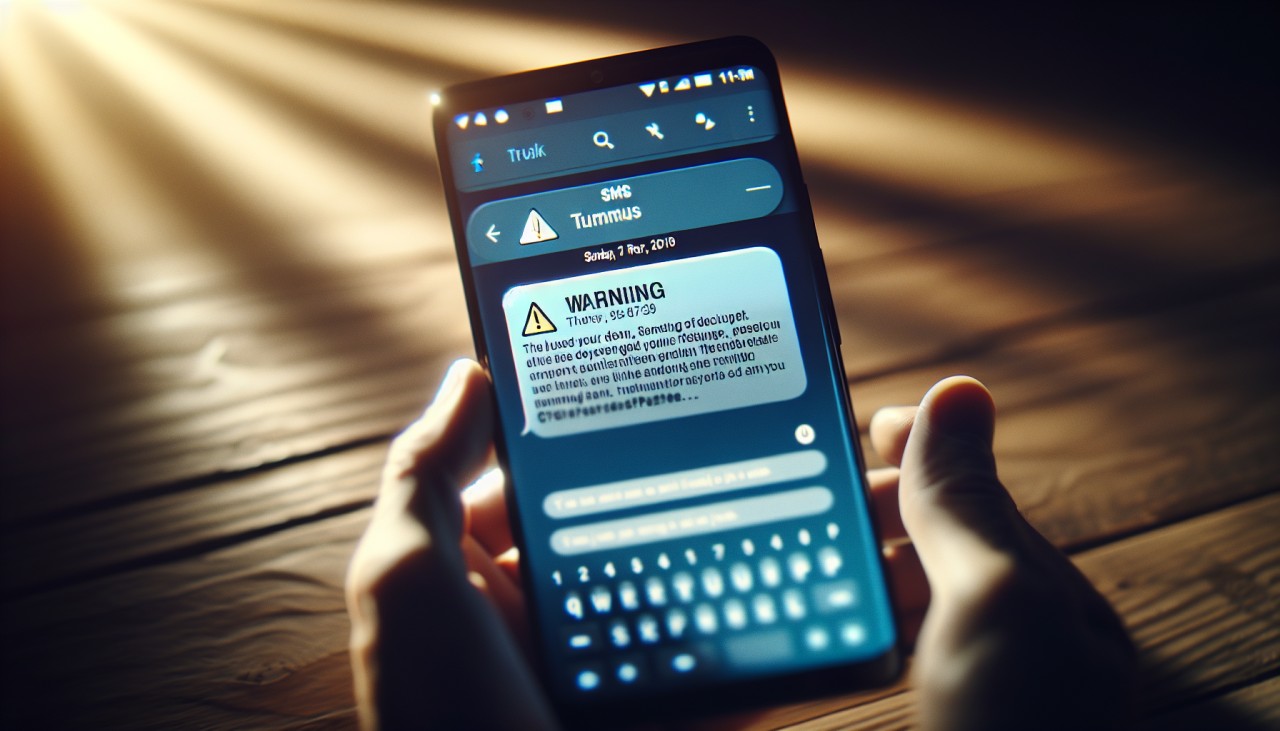
In today's digital age, our smartphones have become indispensable tools for communication, banking, and daily tasks. However, this convenience has also made them prime targets for cybercriminals. One of the most insidious threats emerging in recent years is smishing, a form of phishing that utilizes SMS (Short Message Service) to deceive individuals into divulging personal and financial information. Unlike traditional phishing, which often relies on emails, smishing leverages the ubiquitous nature of text messaging, making it a potent weapon in the hands of cyber attackers.
Smishing attacks have witnessed a staggering rise, with reports indicating an increase of over 2,500% in recent times. This surge is largely attributed to the growing sophistication of cybercriminals and their ability to exploit human psychology. By impersonating trusted entities such as banks, government agencies, or popular brands, attackers craft messages that appear legitimate, urging recipients to click on malicious links or provide sensitive information. The success of these attacks is further amplified by the widespread use of mobile devices and the inherent trust users place in SMS communications.
A notable trend in smishing is the exploitation of the "@" symbol in URLs. Cybercriminals have been observed embedding trusted brand names before the "@" symbol in a URL, creating deceptive links that appear genuine at first glance. For instance, a link like "[email protected]" might seem authentic, but it actually redirects to a malicious site. This technique bypasses traditional email-based phishing defenses by targeting mobile SMS messaging and relies on brand trust to succeed. esecurityplanet.com
The integration of artificial intelligence (AI) has further enhanced the effectiveness of smishing attacks. Cybercriminals now employ AI to generate highly personalized and convincing messages, analyzing victims' public profiles and social media accounts to tailor their approach. This level of personalization increases the likelihood of a successful attack, as the messages resonate more with the recipient. Additionally, AI-driven tools can automate the process of sending large volumes of smishing messages, scaling attacks to unprecedented levels. forbes.com
The financial implications of smishing are profound. In the United States alone, a coordinated campaign compromised over 115 million payment cards, with criminals sidestepping resale markets and loading stolen details straight into mobile wallets. This highlights the industrial scale at which smishing operates, with cybercriminals employing sophisticated tactics to maximize their gains. mobileecosystemforum.com
To combat the rising threat of smishing, a multi-layered defense strategy is essential. Organizations should prioritize user education, ensuring that individuals are aware of the latest smishing tactics and can recognize suspicious messages. Implementing technical safeguards, such as advanced filtering systems and encryption protocols, can help detect and block malicious SMS messages. Additionally, fostering collaboration between telecom companies, businesses, and government agencies is crucial in developing and enforcing regulations that mitigate smishing risks. techradar.com
As smishing continues to evolve, it's imperative for individuals and organizations to stay vigilant and informed. The tactics employed by cybercriminals are becoming increasingly sophisticated, making traditional security measures less effective. For instance, the use of AI allows attackers to craft messages that are not only personalized but also contextually relevant, increasing the chances of deceiving the recipient. This evolution necessitates a proactive approach to cybersecurity, emphasizing continuous education, technological innovation, and collaborative efforts.
One of the challenges in combating smishing is the rapid adaptation of cybercriminals to new technologies and defense mechanisms. As organizations implement advanced filtering systems and encryption protocols, attackers are quick to develop countermeasures, such as using encrypted messaging services or leveraging social engineering techniques to bypass security filters. This cat-and-mouse dynamic underscores the need for a dynamic and adaptive cybersecurity strategy that evolves in tandem with emerging threats.
Furthermore, the global nature of smishing attacks means that individuals and organizations worldwide are at risk. Cybercriminals often operate across borders, making it challenging to enforce regulations and hold perpetrators accountable. This international aspect calls for a coordinated response, involving international law enforcement agencies, cybersecurity firms, and policymakers to develop and implement strategies that address the root causes of smishing and other cyber threats.
In conclusion, smishing represents a significant and growing threat in the digital landscape. Its ability to exploit human trust and the widespread use of mobile devices makes it a formidable challenge for cybersecurity professionals and everyday users alike. By understanding the tactics employed by cybercriminals and implementing comprehensive defense strategies, we can mitigate the risks associated with smishing and safeguard our personal and organizational information.
Key Takeaways
- Smishing attacks have increased by over 2,500% in recent times.
- Cybercriminals exploit the "@" symbol in URLs to deceive users.
- AI-driven tools have automated and personalized smishing campaigns.
- Over 115 million payment cards were compromised in a U.S. smishing campaign.
- A multi-layered defense strategy is essential to combat smishing.
- AI enables attackers to craft contextually relevant and personalized smishing messages.
- Cybercriminals adapt quickly to new security measures, necessitating dynamic defense strategies.
- The global nature of smishing requires coordinated international responses.
- Smishing exploits human trust and mobile device usage, making it a significant threat.
- Comprehensive defense strategies are essential to mitigate smishing risks.