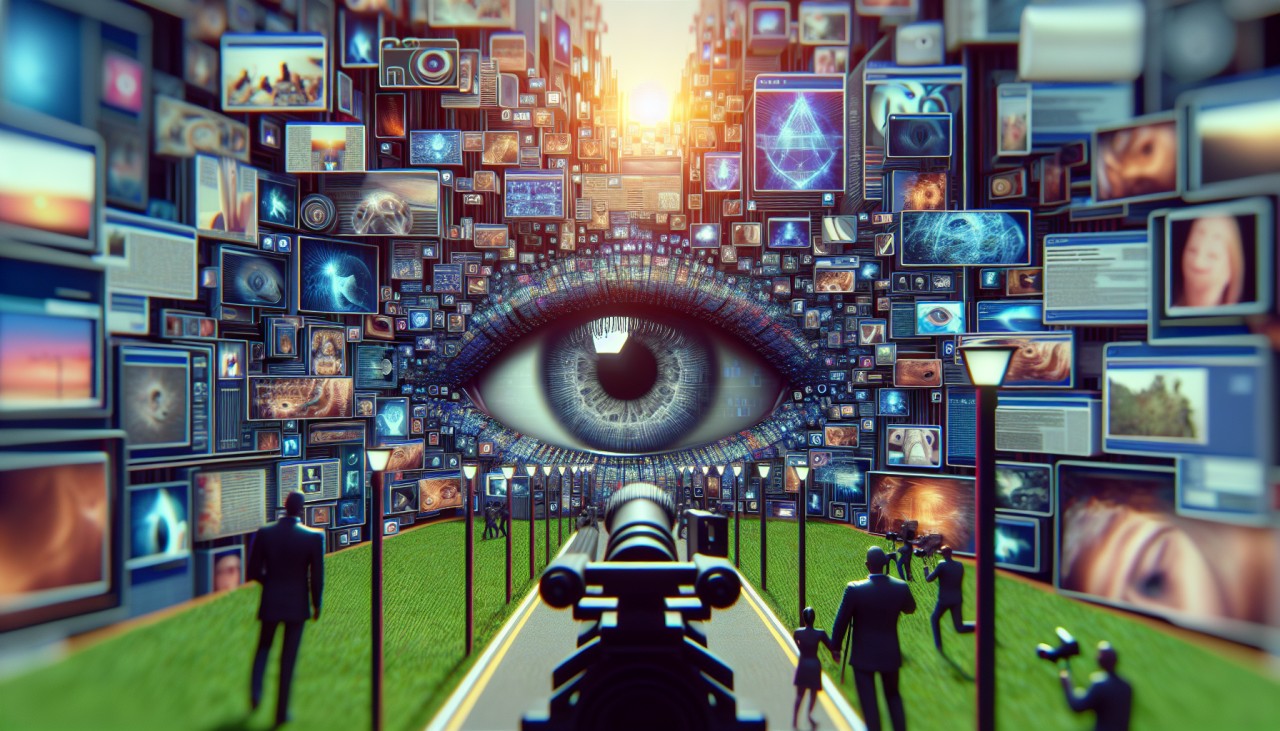
The advent of artificial intelligence (AI) has revolutionized content creation, enabling the rapid generation of text, images, and videos. However, this technological advancement has also given rise to AI-generated misinformation, which poses significant risks to society. The World Economic Forum's 2024 Global Risks Report identified AI-powered misinformation as the most pressing short-term threat to the global economy, highlighting its potential to erode democratic processes and polarize societies. apnews.com
AI-generated misinformation can spread rapidly, often outpacing fact-based reporting. A UK study found that AI-generated fake news and deepfake videos can travel faster online than verified reporting, with human detection rates averaging around 55 to 60 percent. globaltechcouncil.org This rapid dissemination can lead to significant consequences, such as financial instability. For instance, AI-generated disinformation about bank security has been linked to increased risks of bank runs, as seen in the 2023 collapse of Silicon Valley Bank, where $42 billion was withdrawn in 24 hours, exacerbated by social media. reuters.com
Key Takeaways
- AI-generated misinformation is a significant short-term threat to the global economy.
- Detection of AI-generated misinformation is challenging, with human accuracy rates around 55-60%.
- AI-generated disinformation can lead to financial instability, as seen in the 2023 Silicon Valley Bank collapse.